
File a Claim

Make a Payment

Facebook Twitter Feeds
logo-main-white
  • Home
  • About Us
    • Our Insurance Carriers
    • Careers
  • Insurance Types
    • Auto Insurance
    • Bonds
    • Commercial Insurance
    • Churches Insurance
    • Home Insurance
    • Life Insurance
    • Medicare Insurance
    • Mexico Insurance
    • Mobile Home Insurance
    • Motorcycle Insurance
    • Non-profit Insurance
    • Renters Insurance
    • Insurance for Snowbirds Arizona
    • Golf Cart Insurance
  • Locations
    • Casa Grande
    • Maricopa
  • Blog
  • Contact Us
  • Get Free Quote
Text or Call Us Today!
520-836-3244

Facts You Need To Know About Mobile Home Insurance

June 7, 2018 by Steve Gebhardt

Facts About Mobile Home Insurance

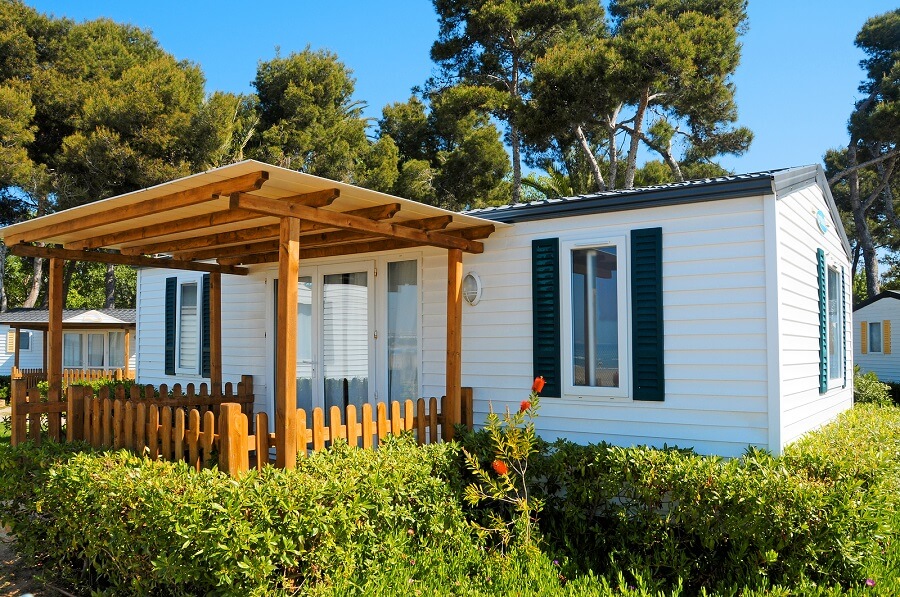
Mobile homes (also known as manufactured homes) are just like regular houses in terms of maintenance and homeowners insurance. Property and liability insurance policies are standard coverages for a mobile home, but additional coverages may also be necessary. Replacement cost coverage can help an owner protect against depreciated value of the home. “Stated Amount” is a specific total in an insurance policy that states the maximum amount of money that can be paid out for any damages to a mobile home. These are all aspects of insurance coverage that must be considered when insuring a mobile home.

Firstly, a mobile home is typically manufactured off-site and later delivered to the plot of land where it will be located for good. During this delivery, however, the home is not covered under a homeowners insurance policy. It is important for the buyer of the home to work with the manufacturers and delivery service to ensure that the home is insured against damage during delivery. No matter the distance the home will travel, it will be at risk of damage and should be insured. Once the home is in place, typical homeowners insurance can be put into place.

Property coverage is a standard type of insurance policy for all kinds of houses, including mobile homes. This policy covers the broadest amount of situations that could arise for a homeowner. These includes bad weather (hail, lightning, etc), theft (stolen items), vandalism (destruction / defamation of property), and fire. Depending on what else you own, you may need property coverage for a carport, porch or gazebo on the property as well. These are not automatically placed on a property insurance policy.

Some insurance companies offer limited coverage which result in a lower premium, but it is important to know exactly what will and will not be covered by these types of policies. Lower cost coverage may be convenient for their lower monthly cost, but it can also be costly if a specific incident occurred and it is not covered by the policy. Look at the details of the policy before agreeing to a low cost insurance plan for your mobile home.

Liability coverage is another common policy that many homeowners have on their mobile home. Liability mainly protects the owner against situations where others are injured while on their property. This usually covers situations where something in the home breaks and hurts a visitor, or if someone were to slip and fall inside the house. Usually it does not cover medical bills for those who live in the home and are injured. However, it usually does cover the costs that you incur if you damage a neighbor’s home or property.

An important consideration for mobile home owners is the possibility of water damage. Pipes can burst inside of any home, but are more susceptible in a manufactured home due to its smaller size and ventilation. Insurance companies offer coverage for water damage and broken pipes only in the event that the damage occurred naturally. If the damage occurred due to the owner’s bad maintenance, coverage would be denied. It is important to take extra care of the pipes in a mobile home to ensure that, if damaged, they will be covered by insurance.

Replacement cost coverage is a unique type of policy for mobile homes. This coverage protects you financially against depreciated value of the home. If part of the home is damaged, replacement cost coverage will provide enough money to replace what is needed, rather than providing money based on the current value. In this case, you will have enough money to replace the damaged areas rather than simply repair them.

This also ties into the “Stated Amount” in the policy. The Stated Amount is a specific grand total of how much the insurance company will pay out if everything were to be destroyed. It is important to know this number in the event that you need full replacement of the home and possessions. Owners must consider how much it would cost to start over with a new home.

Insuring a mobile home is very similar to insuring a house, but with a few extra considerations. Property and Liability insurance are standard coverages that protect you against most common scenarios. Make sure you take good care of the pipes and have good water damage coverage. It is important to have replacement cost coverage if you will need to replace large parts of the property at any time. Taking good care of your mobile home starts with quality insurance.


Filed Under: Mobile Home Insurance Tagged With: Liability Coverage, Manufactured Homes, Property Coverage

What is a Renter Insurance Policy?

October 25, 2017 by Steve Gebhardt

Renters Insurance

What is a renter insurance policy? It is similar to a home insurance, but applies not to homeowners, but renters. So if you just rent your house or apartment, then this is the insurance you need.

Basically, it is a group of coverages with a primary purpose of protecting you and your belongings. The types of such insurance policy include protection for your belongings, liability insurance and additional living expenses. Also referred to as tenant insurance, this policy protects you in case of a visitor injury or a break-in.

Personal Property Coverage

This is a typical component of a renter insurance. This covers the cost of replacing your personal belongings in case of damage or loss. This applies to risks such as theft and fire damage. This means that if you rent a property and you are covered by a renter insurance and any of your belonging has been stolen or destroyed, then the coverage may help pay for them, whether it’s for repair or replacement.

With this, it is important that you know your coverage limits. The limit is the maximum amount that will pay for the personal property lost or damaged. If you are unsure of your coverage limits, contact your insurer or agent and check what is or may not be covered.

Liability Coverage

Renter insurance policy also offers liability coverage. This will protect you in the event that you are found to be legally responsible to any damage or injury caused to or by other people while inside your property. If you are covered, then you will no longer pay out of your pocket for any cost involved. This is important because you can never be sure when an accident hits. Again, know your coverage limits. You may get an additional coverage as needed.

Additional Living Expenses

Your rented place serves as your home until your contract of lease expires. But what happens if a fire damaged your rented home? What will you do now if you are unable to live in your home because of damage? The solution to this question is to get renter insurance.

This kind of insurance typically includes additional living expenses coverage. This coverage helps pay for other costs you incur while you are still unable to live in the place you are renting. Say for example, if your rented place has been damaged by fire, you certainly would need to move out while repairs are ongoing. During this time, you will have to rent another place or stay at a cheap hotel. The costs that you would incur, excluding the basic expenditures, during this period will be covered or paid for by the additional living expenses coverage. But as to the amount covered, this will still be subject to the coverage limits of your policy.

If you are just renting your home, living can surely be costly. How much more if any damage or injury happens and you are not financially ready to pay for such? Thanks to renter insurance, now you can live in your rented home with peace of mind, knowing that you will be protected and covered in case something “costly” happens.

For your renter insurance needs, make an appointment with Gebhardt Insurance.

SaveSave

Filed Under: Renters Insurance Tagged With: Liability Coverage, Living Expenses, Personal Property Coverage

Recent Posts

  • Can Golf Carts Be Driven on the Road in Casa Grande? Complete 2025 Guide
  • Complete Insurance Checklist for Snowbirds & Winter Visitors in Casa Grande & Maricopa, Arizona
  • Golf Cart vs Side by Side Insurance in Casa Grande & Maricopa: Which Coverage Do You Really Need?
  • Why Casa Grande Residents Should Choose a Local Independent Agent: 5 Advantages You Can’t Get Online
  • Common Insurance Scams in Arizona: How to Protect Yourself and Your Coverage
logo-main-white

719 E Cottonwood Lane, Suite #1
Casa Grande, AZ 85122

44400 Honeycutt Rd, Suite #102H
Maricopa, AZ 85138

Facebook Twitter Feeds
5 star yelp

Insurance Types

Motorcycle Insurance
Motorhome Insurance
Mobile Home Insurance
Life Insurance
Medicare Insurance
Home Insurance
Commercial Insurance
Auto Insurance

Our Company

Careers
Contact Us
File a Claim

Recent Posts

Can Golf Carts Be Driven on the Road in Casa Grande? Complete 2025 Guide
Complete Insurance Checklist for Snowbirds & Winter Visitors in Casa Grande & Maricopa, Arizona
Golf Cart vs Side by Side Insurance in Casa Grande & Maricopa: Which Coverage Do You Really Need?
Why Casa Grande Residents Should Choose a Local Independent Agent: 5 Advantages You Can’t Get Online

Copyright © 2024. By GEBHARDT INSURANCE GROUP | PRIVACY POLICY

Accessibility

Online Dictionary

    Readable Experience

    Content Scaling
    Default
    Text Magnifier
    Readable Font
    Dyslexia Friendly
    Highlight Titles
    Highlight Links
    Font Sizing
    Default
    Line Height
    Default
    Letter Spacing
    Default
    Left Aligned
    Center Aligned
    Right Aligned

    Visually Pleasing Experience

    Dark Contrast
    Light Contrast
    Monochrome
    High Contrast
    High Saturation
    Low Saturation
    Adjust Text Colors
    Adjust Title Colors
    Adjust Background Colors

    Easy Orientation

    Mute Sounds
    Hide Images
    Virtual Keyboard
    Reading Guide
    Stop Animations
    Reading Mask
    Highlight Hover
    Highlight Focus
    Big Black Cursor
    Big White Cursor
    Navigation Keys

    Casa Grande Insurance Agency Accessibility Statement

    Accessibility Statement

    • www.gebhardtinsurancegroup.com
    • January 31, 2026

    Compliance status

    We firmly believe that the internet should be available and accessible to anyone, and are committed to providing a website that is accessible to the widest possible audience, regardless of circumstance and ability.

    To fulfill this, we aim to adhere as strictly as possible to the World Wide Web Consortium’s (W3C) Web Content Accessibility Guidelines 2.1 (WCAG 2.1) at the AA level. These guidelines explain how to make web content accessible to people with a wide array of disabilities. Complying with those guidelines helps us ensure that the website is accessible to all people: blind people, people with motor impairments, visual impairment, cognitive disabilities, and more.

    This website utilizes various technologies that are meant to make it as accessible as possible at all times. We utilize an accessibility interface that allows persons with specific disabilities to adjust the website’s UI (user interface) and design it to their personal needs.

    Additionally, the website utilizes an AI-based application that runs in the background and optimizes its accessibility level constantly. This application remediates the website’s HTML, adapts Its functionality and behavior for screen-readers used by the blind users, and for keyboard functions used by individuals with motor impairments.

    If you’ve found a malfunction or have ideas for improvement, we’ll be happy to hear from you. You can reach out to the website’s operators by using the following email

    Screen-reader and keyboard navigation

    Our website implements the ARIA attributes (Accessible Rich Internet Applications) technique, alongside various different behavioral changes, to ensure blind users visiting with screen-readers are able to read, comprehend, and enjoy the website’s functions. As soon as a user with a screen-reader enters your site, they immediately receive a prompt to enter the Screen-Reader Profile so they can browse and operate your site effectively. Here’s how our website covers some of the most important screen-reader requirements, alongside console screenshots of code examples:

    1. Screen-reader optimization: we run a background process that learns the website’s components from top to bottom, to ensure ongoing compliance even when updating the website. In this process, we provide screen-readers with meaningful data using the ARIA set of attributes. For example, we provide accurate form labels; descriptions for actionable icons (social media icons, search icons, cart icons, etc.); validation guidance for form inputs; element roles such as buttons, menus, modal dialogues (popups), and others. Additionally, the background process scans all of the website’s images and provides an accurate and meaningful image-object-recognition-based description as an ALT (alternate text) tag for images that are not described. It will also extract texts that are embedded within the image, using an OCR (optical character recognition) technology. To turn on screen-reader adjustments at any time, users need only to press the Alt+1 keyboard combination. Screen-reader users also get automatic announcements to turn the Screen-reader mode on as soon as they enter the website.

      These adjustments are compatible with all popular screen readers, including JAWS and NVDA.

    2. Keyboard navigation optimization: The background process also adjusts the website’s HTML, and adds various behaviors using JavaScript code to make the website operable by the keyboard. This includes the ability to navigate the website using the Tab and Shift+Tab keys, operate dropdowns with the arrow keys, close them with Esc, trigger buttons and links using the Enter key, navigate between radio and checkbox elements using the arrow keys, and fill them in with the Spacebar or Enter key.Additionally, keyboard users will find quick-navigation and content-skip menus, available at any time by clicking Alt+1, or as the first elements of the site while navigating with the keyboard. The background process also handles triggered popups by moving the keyboard focus towards them as soon as they appear, and not allow the focus drift outside of it.

      Users can also use shortcuts such as “M” (menus), “H” (headings), “F” (forms), “B” (buttons), and “G” (graphics) to jump to specific elements.

    Disability profiles supported in our website

    • Epilepsy Safe Mode: this profile enables people with epilepsy to use the website safely by eliminating the risk of seizures that result from flashing or blinking animations and risky color combinations.
    • Visually Impaired Mode: this mode adjusts the website for the convenience of users with visual impairments such as Degrading Eyesight, Tunnel Vision, Cataract, Glaucoma, and others.
    • Cognitive Disability Mode: this mode provides different assistive options to help users with cognitive impairments such as Dyslexia, Autism, CVA, and others, to focus on the essential elements of the website more easily.
    • ADHD Friendly Mode: this mode helps users with ADHD and Neurodevelopmental disorders to read, browse, and focus on the main website elements more easily while significantly reducing distractions.
    • Blindness Mode: this mode configures the website to be compatible with screen-readers such as JAWS, NVDA, VoiceOver, and TalkBack. A screen-reader is software for blind users that is installed on a computer and smartphone, and websites must be compatible with it.
    • Keyboard Navigation Profile (Motor-Impaired): this profile enables motor-impaired persons to operate the website using the keyboard Tab, Shift+Tab, and the Enter keys. Users can also use shortcuts such as “M” (menus), “H” (headings), “F” (forms), “B” (buttons), and “G” (graphics) to jump to specific elements.

    Additional UI, design, and readability adjustments

    1. Font adjustments – users, can increase and decrease its size, change its family (type), adjust the spacing, alignment, line height, and more.
    2. Color adjustments – users can select various color contrast profiles such as light, dark, inverted, and monochrome. Additionally, users can swap color schemes of titles, texts, and backgrounds, with over 7 different coloring options.
    3. Animations – epileptic users can stop all running animations with the click of a button. Animations controlled by the interface include videos, GIFs, and CSS flashing transitions.
    4. Content highlighting – users can choose to emphasize important elements such as links and titles. They can also choose to highlight focused or hovered elements only.
    5. Audio muting – users with hearing devices may experience headaches or other issues due to automatic audio playing. This option lets users mute the entire website instantly.
    6. Cognitive disorders – we utilize a search engine that is linked to Wikipedia and Wiktionary, allowing people with cognitive disorders to decipher meanings of phrases, initials, slang, and others.
    7. Additional functions – we provide users the option to change cursor color and size, use a printing mode, enable a virtual keyboard, and many other functions.

    Browser and assistive technology compatibility

    We aim to support the widest array of browsers and assistive technologies as possible, so our users can choose the best fitting tools for them, with as few limitations as possible. Therefore, we have worked very hard to be able to support all major systems that comprise over 95% of the user market share including Google Chrome, Mozilla Firefox, Apple Safari, Opera and Microsoft Edge, JAWS and NVDA (screen readers), both for Windows and for MAC users.

    Notes, comments, and feedback

    Despite our very best efforts to allow anybody to adjust the website to their needs, there may still be pages or sections that are not fully accessible, are in the process of becoming accessible, or are lacking an adequate technological solution to make them accessible. Still, we are continually improving our accessibility, adding, updating and improving its options and features, and developing and adopting new technologies. All this is meant to reach the optimal level of accessibility, following technological advancements. For any assistance, please reach out to