File a Claim

Make a Payment

Facebook Twitter Feeds
logo-main-white
  • Home
  • About Us
    • Our Insurance Carriers
    • Careers
  • Insurance Types
    • Auto Insurance
    • Bonds
    • Commercial Insurance
    • Churches Insurance
    • Home Insurance
    • Life Insurance
    • Medicare Insurance
    • Mexico Insurance
    • Mobile Home Insurance
    • Motorcycle Insurance
    • Non-profit Insurance
    • Renters Insurance
    • Insurance for Snowbirds Arizona
    • Golf Cart Insurance
  • Locations
    • Casa Grande
    • Maricopa
  • Blog
  • Contact Us
  • Get Free Quote
Text or Call Us Today!
520-836-3244

Author: Steve G

Insurance blog, articles, and news written by Stephen Gebhardt, founder and CEO of Gebhardt Insurance Group an Insurance agency in Casa Grande, Arizona.

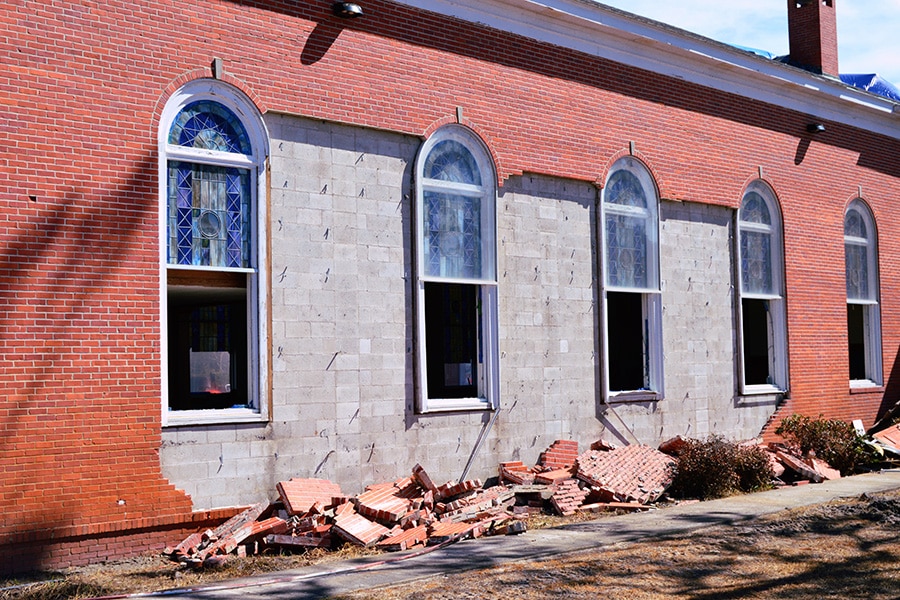
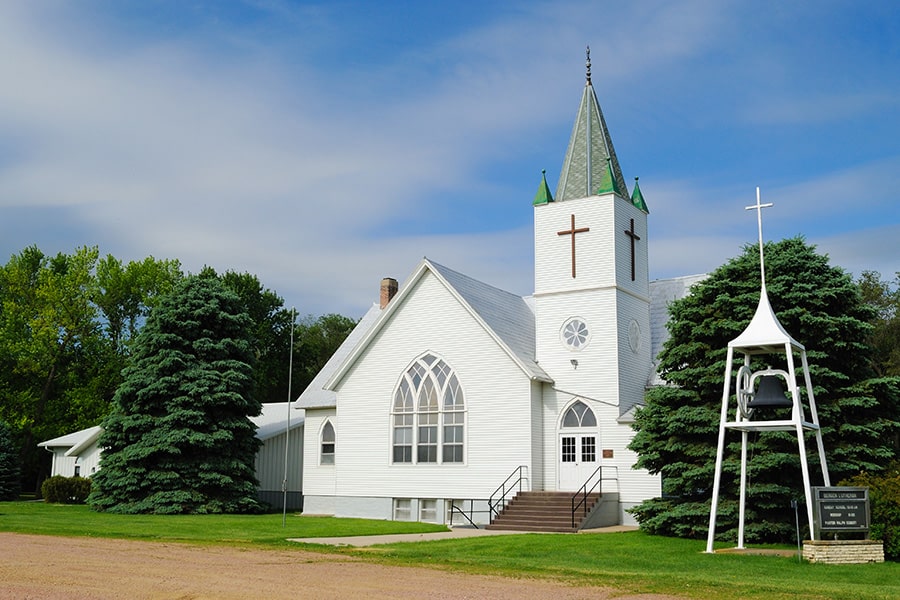
How Much Does Arizona Church Insurance Cost?

October 27, 2023 by Steve Gebhardt

how much does church insurance cost

Churches and religious organizations play a vital role in society. They provide a space for worship, community gatherings, and support services. However, like any other organization, they also face risks and need to protect themselves from potential liabilities. This is where church insurance comes in. It provides coverage for various risks that churches may face, but how much does church insurance cost?

Understanding Church Insurance

What is Church Insurance?

Church insurance is a type of insurance coverage specifically designed for churches and religious organizations. It provides financial protection in the event of property damage, liability claims, and other unforeseen circumstances. Just like any other insurance policy, a church insurance policy comes with a premium that needs to be paid on a regular basis.

Importance of Coverage

Having proper insurance coverage is essential for churches and religious organizations. It helps protect their physical assets, such as the church building and property, from unpredictable events like fire, vandalism, or natural disasters. Additionally, it provides liability coverage in case someone gets injured on the church premises or if the church is held responsible for any form of misconduct.

What are the Types of Church Insurance

Church insurance typically includes multiple types of coverage within a single policy. Some of the common types of church insurance include:

General Liability Insurance

This type of insurance protects the church against claims related to bodily injury, property damage, and personal injury. Liability coverage is a crucial component of church insurance. It protects the church from lawsuits and claims filed by individuals who have been injured on the church premises or as a result of the church’s activities. The cost of liability coverage depends on various factors, including the size of the church, the scope of its activities, and the church’s claims history. Generally, the larger the church and the higher the risk exposure, the higher the cost of liability coverage.

Property Insurance

Property insurance covers damage to the physical assets of the church, such as the building, furniture, equipment, and other property owned by the church.  The cost of property insurance is determined by factors such as the value of the building, the age of the building, the type of construction, and the presence of security systems. Churches located in areas prone to natural disasters may also have higher property insurance premiums.

Professional Liability Insurance

 This coverage is specifically designed for pastors, church leaders, and other individuals who provide counseling or professional services within the church. It protects against claims of negligence or misconduct.

Commercial Auto Insurance

If the church owns vehicles that are used for church activities, commercial auto insurance is necessary to protect against accidents or damage.

Workers’ Compensation Insurance

If the church has employees, workers’ compensation insurance is needed to cover medical expenses and lost wages in the event of work-related injuries or illnesses.

Umbrella Liability Coverage

This coverage provides additional liability protection beyond the limits of general liability insurance. It is especially useful for large churches or those with higher risks.

What Determines Church Insurance Costs?

The cost of church insurance can vary depending on several factors. Insurance companies take into account the following factors when determining the cost of coverage:

  • Size of the Church: The size of the church, both in terms of church members and physical property, can affect the insurance premium. Larger churches may have higher premiums due to the increased risk exposure.
  • Claims History: The claims history of the church plays a significant role in determining the cost of insurance. A church with a history of frequent claims may have higher premiums.
  • Type of Activities: The nature of activities conducted by the church also affects the cost of insurance. For example, if the church regularly hosts events with a higher risk of injuries, such as sports activities, the insurance premium may be higher.
  • Location: The location of the church can impact the insurance cost. Churches located in areas prone to natural disasters or higher crime rates may have higher premiums.
  • Building Replacement Cost: The value of the church building and property also affects the insurance cost. A larger or more expensive property may result in higher premiums.

Ways to Save Money on Church Insurance

Ensuring that a church is adequately insured is paramount for its safety and the well-being of its congregation. However, navigating the insurance landscape can be intricate and, at times, costly. In Arizona, there are several strategies to make church insurance more affordable, and leveraging the expertise of an insurance broker like Gebhardt Insurance can be especially beneficial. Here’s how:

  1. Bundle Policies: Just like with individual insurance plans, churches can often save money by bundling different insurance types with a single provider. This could include property insurance, liability insurance, vehicle insurance, and others. Brokers like Gebhardt Insurance have relationships with various insurers and can negotiate bundled rates on behalf of the church.
  2. Assess Actual Needs: Over-insuring can be as detrimental as under-insuring. An experienced broker can evaluate the actual needs of the church, ensuring that it’s covered for potential risks without paying for unnecessary coverage.
  3. Discounts for Safety Measures: Many insurance companies offer discounts for churches that implement safety measures, such as security systems, fire safety protocols, or regular building maintenance. Gebhardt Insurance can advise on what measures can lead to discounts and help in sourcing providers who offer such incentives.
  4. Regular Policy Reviews: Church needs and circumstances can change over time. By conducting regular reviews of the insurance policy with the assistance of Gebhardt Insurance, churches can ensure they aren’t overpaying and adjust coverages as needed.
  5. Comparative Shopping: One of the significant advantages of using an insurance broker is their ability to shop around on behalf of the client. Gebhardt Insurance, with its vast network, can compare various policies and rates, ensuring the church gets the best possible deal.
  6. Leverage Group or Denomination Discounts: Some insurers offer discounts for churches that are part of larger denominations or associations. Gebhardt Insurance can identify these opportunities and help churches tap into such savings.
  7. Understanding Deductibles: A higher deductible generally means a lower premium. While this means the church might pay more out-of-pocket in the event of a claim, if it has a low risk of incidents, this could lead to significant savings. Gebhardt Insurance can help in understanding and analyzing this balance.
  8. Educate and Train Staff/Volunteers: Some insurers offer discounts or better rates to churches that provide regular training to their staff and volunteers on safety, child protection, or other relevant areas. An informed broker can guide churches to such training incentives.
  9. Specialized Church Insurance Programs: Certain insurers offer programs specifically tailored for churches, often at a reduced rate. Gebhardt Insurance, with its knowledge of the industry and regional nuances, can connect churches to these specialized programs.

In conclusion, navigating the intricate realm of church insurance doesn’t have to be a daunting or overly expensive endeavor. With the right strategies and a dedicated partner like Gebhardt Insurance, churches in Arizona can ensure they are adequately protected without breaking the bank.

Tips to Secure Your Church Insurance Quotes

When it comes to safeguarding the sanctity and assets of your church, ensuring you have the right insurance coverage is paramount. But where do you start? The answer lies in seeking expert guidance to navigate the intricacies of church insurance in Arizona. Steve Gebhardt, backed by his experienced team, stands out as a beacon in this domain.

With years of industry experience and a deep understanding of the unique needs of churches in Arizona, the Gebhardt team provides personalized consultations tailored to the specific requirements of each congregation. They streamline the process, making it simple, transparent, and efficient.

To get started, reach out to Steve Gebhardt and his team for a no-obligation quote. They will meticulously evaluate your church’s needs, risks, and assets, ensuring you receive a comprehensive coverage recommendation at competitive rates. In the ever-evolving landscape of insurance, it’s comforting to know you have a steadfast partner in Gebhardt Insurance, ready to serve, protect, and advise.

Your church deserves the best, and with Steve Gebhardt’s expertise, that’s precisely what you’ll receive. So don’t leave things to chance; take the proactive step to ensure your church’s future and legacy in Arizona.

Filed Under: Insurance

Liability Insurance For Churches: How it Works

October 20, 2023 by Steve Gebhardt

liability insurance for churches

Churches play a significant role in communities, providing spiritual guidance and support to their members. While churches focus on their ministry, they also need to be mindful of potential risks and liabilities that may arise. This is where liability insurance for churches comes into play. In this article, we will explore the basics of church liability insurance, the types of coverage it offers, and the importance of having insurance for your church.

The Basics of Liability Insurance For Churches

What is Church Liability Insurance?

Church liability insurance is a specialized type of insurance coverage designed to protect churches from potential lawsuits and claims that may arise due to various situations. It provides financial protection to the church, its staff, and its members in the event of accidents, injuries, property damage, or other liabilities.

Liability insurance for churches typically includes general liability coverage, property insurance, auto insurance, directors and officers insurance, employment practices liability insurance, non-owned and hired auto coverage, travel insurance, foreign liability coverage, cyber liability insurance, sexual misconduct coverage, compensation insurance, counseling liability insurance, and volunteer insurance coverage.

Why Do Arizona Churches Need Liability Insurance?

Churches need liability insurance to protect themselves from potential risks and lawsuits. Accidents and injuries can occur on church premises, and the church may be held liable for damages. Additionally, churches often engage in various activities, such as counseling sessions, community events, and mission trips, which can also expose them to potential risks.

Without liability insurance, a single lawsuit or claim can have devastating financial consequences for a church. Liability insurance provides coverage for legal defense costs, settlements, and judgments, allowing the church to continue its ministry without significant financial burdens.

Types of Coverage Offered by Church Liability Insurance

Church liability insurance offers a wide range of coverage to protect churches and their ministries. Let’s take a closer look at some of the specific areas of coverage provided by church liability insurance.

Specific Areas of Coverage

General Liability Coverage

General liability coverage is a fundamental component of church liability insurance. It provides protection against claims and lawsuits arising from bodily injury, personal injury, or property damage that may occur on church premises or during church-sponsored activities. This coverage ensures that the church is financially protected if accidents or injuries occur.

Property Insurance

Property insurance covers your church’s physical assets, such as buildings, equipment, furniture, and other property. It provides financial protection in the event of damage or loss caused by fire, theft, vandalism, or natural disasters. Church property insurance is essential to protect your investment and ensure that your ministry can continue even after a loss.

Auto Insurance

If your church owns any vehicles or uses vehicles for church-related activities, you need auto insurance coverage. Auto insurance provides protection in case of accidents, injuries, or property damage caused by church-owned vehicles. It is crucial to have adequate coverage to mitigate the risks associated with vehicle use.

Directors and Officers Insurance

Directors and officers insurance (D&O insurance) protects the church’s board members, pastors, and other leaders from personal liability arising from their actions or decisions on behalf of the church. It provides coverage for legal defense costs and damages resulting from claims of wrongful acts, negligence, or errors in judgment.

Employment Practices Liability Insurance

Employment practices liability insurance (EPLI) is essential for churches that have employees. It provides coverage for claims alleging wrongful termination, discrimination, sexual harassment, or other employment-related issues. Having EPLI coverage helps protect the church from financial losses resulting from such claims.

Non-owned and Hired Auto Coverage

Non-owned and hired auto coverage extends auto insurance coverage to vehicles that are not owned by the church but are used for church-related activities. This coverage protects the church if an accident or damage occurs while using a non-owned or hired vehicle.

Travel Insurance

Churches often organize trips and mission activities, both locally and internationally. Travel insurance provides coverage for medical expenses, trip cancellations, lost baggage, and other travel-related risks. It is important to have travel insurance to protect both the church and its members during these trips.

Foreign Liability Coverage

If your church engages in international activities, such as missionary work or international conferences, foreign liability coverage is crucial. It provides coverage for liability claims that may arise from activities conducted outside of your home country.

Cyber Liability Insurance

In our increasingly digital world, churches are at risk of cyber-attacks and data breaches. Cyber liability insurance protects the church from financial losses resulting from cyber incidents, such as hacking, theft of personal information, or data breaches.

Sexual Misconduct Coverage

Sexual misconduct coverage is specifically designed to protect churches from claims related to sexual abuse or molestation. Unfortunately, even churches can be vulnerable to such incidents. Having this coverage ensures that the church can respond appropriately and provide support to victims while mitigating the financial impact on the church.

Compensation Insurance

Compensation insurance, also known as workers’ compensation, provides coverage for employees who suffer work-related injuries or illnesses. It ensures that employees receive medical benefits and wage replacement while protecting the church from potential legal claims.

Counseling Liability Insurance

If your church provides counseling services, counseling liability insurance is essential. It provides coverage for claims arising from professional counseling services and protects the church from potential lawsuits related to the counseling process.

Volunteer Insurance Coverage

Many churches rely on volunteers to support their ministries and activities. Volunteer insurance coverage provides protection for volunteers in case of injuries or accidents that may occur while they are serving the church.

Choosing the Right Church Liability Insurance Policy

Factors to Consider

When selecting insurance for your church, there are several factors to consider. These include the size of your church, the nature of your activities, the number of employees and volunteers, the value of your property, and your budget. Assessing these factors will help you determine the appropriate coverage levels and types of insurance that best suit your church’s needs.

Working with an Insurance Broker

Navigating the complexities of insurance policies can be overwhelming, especially for churches that may not have specialized knowledge in this area. Working with an insurance broker who has experience in insuring churches can be highly beneficial. They can assess your church’s unique needs, recommend appropriate coverage, and help you navigate the insurance marketplace to find the best policies at competitive rates.

Comparing Quotes from Different Insurance Providers

It is essential to obtain quotes from multiple insurance providers to ensure that you are getting the best coverage at the best price. Comparing quotes allows you to evaluate the different policy options and choose the one that provides the most comprehensive coverage within your budget.

Reviewing Policy Terms and Conditions

Before committing to an insurance policy, it is crucial to review the terms and conditions thoroughly. Pay close attention to exclusions, limits, deductibles, and any additional endorsements or riders that may be necessary to meet your church’s specific needs. Understanding the policy terms will help you make an informed decision and ensure that your church is adequately protected.

How a Local Insurance Agent Can Help Your Church

Navigating the realm of liability insurance for churches in Arizona can be a complex endeavor, fraught with nuances and specific requirements tailored to religious institutions. This is where Gebhart Insurance comes into play, serving as a beacon of expertise and guidance. With a deep-rooted understanding of both the insurance landscape and the unique needs of churches, Gebhart Insurance provides a tailored approach, ensuring that religious institutions are comprehensively protected against potential liabilities. Their familiarity with Arizona’s specific regulations, combined with a dedication to safeguarding community pillars like churches, makes them an indispensable ally. Entrusting your church’s liability insurance needs to Gebhart Insurance not only offers peace of mind but also ensures that your sacred space remains protected, allowing you to focus on your primary mission of spiritual guidance and community building.

Filed Under: Insurance

What Does Arizona Renters Insurance Cover (and Not Cover)

September 27, 2023 by Steve Gebhardt

what does renter insurance not cover

Renter insurance is an important aspect of protecting your belongings and providing peace of mind when renting a property. It can cover a wide range of scenarios, but it’s equally important to understand what it doesn’t cover. In this article, we’ll delve into the details of what does renter insurance not cover, so you can make informed decisions when it comes to safeguarding your belongings.

First, what is renters insurance?

In Arizona, as in many states, renter’s insurance, often referred to as tenants’ insurance, is an essential safeguard for those who lease their living spaces, whether it be an apartment, house, or condo. This type of insurance policy has been tailor-made to shield renters from potential financial setbacks by covering their personal belongings and offering liability coverage for any accidents or mishaps that might happen within their rented domain.

The vast and varied landscape of Arizona, from bustling cities like Phoenix and Tucson to the tranquil desert cities of Casa Grande and Maricopa, brings with it a unique set of challenges for renters. The state can experience natural phenomena like monsoons, dust storms, and extreme temperatures, which underscores the significance of having a robust insurance policy.

Do I need renters insurance in Arizona?

In Arizona, renters often ponder the value of obtaining renters insurance. While not legally mandated by the state, many landlords and property management companies in cities like Maricopa, Casa Grande, or Mesa might require tenants to carry this type of insurance as a condition of their lease agreement. The primary reason for this stipulation is the protection that renters insurance affords both the tenant and the property owner. With the state’s susceptibility to certain natural events, such as monsoons and dust storms, renters insurance provides an essential safety net against potential property damage or loss. Additionally, Arizona’s growing urban environments have seen a rise in rental housing, amplifying the potential risks of theft, vandalism, or other unforeseen incidents that could jeopardize a tenant’s possessions or financial well-being.

Furthermore, beyond the mere protection of personal belongings, renters insurance in Arizona also offers invaluable liability coverage. This aspect ensures that renters are shielded from significant out-of-pocket expenses should someone be injured within their rented premises or if they inadvertently inflict damage to another’s property. The costs associated with potential legal fees or medical expenses can be overwhelming, making the relatively affordable monthly premium of renters insurance a wise investment for peace of mind. In summary, while renters insurance might not be a legal requirement in Arizona, the multiple layers of protection it offers, combined with the state’s unique environmental and urban factors, make it a highly recommended consideration for all Arizonan renters.

What does renters insurance cover?

Personal Property Protection:

Renter’s insurance in Arizona primarily ensures that personal belongings such as electronics, furniture, clothes, and other valuables are covered against losses from a myriad of possible perils. This includes theft, fire, vandalism, and certain types of water damage. Given the state’s susceptibility to intense heat and sporadic weather disturbances, such coverage is pivotal in ensuring peace of mind for renters.

Liability Coverage:

Beyond protecting personal assets, renter’s insurance in Arizona provides liability coverage. This means if someone gets injured within your rented property or if you accidentally cause damage to another person’s property, your policy can assist in covering the medical expenses or repair costs, shielding you from potentially hefty out-of-pocket expenses.

Additional Living Expenses:

Some policies also cater to unforeseen circumstances where the rented space becomes uninhabitable due to damages from insured events. In such scenarios, renter’s insurance might cover additional living expenses, ensuring the renter has a temporary place to stay and covering associated costs.

For Arizona renters, comprehending the intricacies of their policy is crucial. This not only ensures they obtain the necessary protection against the unique risks associated with living in the Grand Canyon State but also allows them to tailor their coverage to their personal needs and living situations. It’s always advisable for renters to discuss their needs with insurance professionals like Gebhardt Insurance, with offices in Casa Grande and Maricopa, to ensure that they’re adequately covered for any eventualities.

Need Other Insurance? Are there Optional Renters Insurance Coverages?

Renters insurance typically includes standard coverages such as personal property protection and liability coverage. However, many insurance companies also offer optional coverages or endorsements that can be added to a standard policy to enhance protection. Here are some common optional coverages available for renters:

Scheduled Personal Property

This covers specific high-value items that may not be fully covered under the standard personal property protection. Items like jewelry, art, antiques, and musical instruments can be scheduled individually, often without a deductible.

Replacement Cost Coverage

Standard renters insurance typically covers the actual cash value of an item, which factors in depreciation. Replacement cost coverage, on the other hand, pays out the amount it costs to buy a new item of similar kind and quality.

Identity Theft Protection

Some policies offer coverage that helps with the costs associated with recovering from identity theft, such as legal fees, lost wages, and more.

Business Property Coverage

If you have business equipment or operate a small business from your rented space, this optional coverage can provide additional protection for your business-related assets.

Water Backup Coverage

This covers damage to personal property caused by water backup through sewers or drains.

Earthquake Coverage

Standard renters insurance doesn’t usually cover earthquake damage. This endorsement provides coverage for personal property losses due to earthquakes.

Extended Liability Coverage

This provides additional liability protection beyond the standard limits of your policy.

Incidental Business Liability

If you occasionally conduct business activities from your rented space, this coverage offers additional liability protection related to those activities.

Pet Liability Coverage

While some renter’s insurance policies may provide coverage for liabilities related to pets, others might exclude certain breeds or types of animals. This endorsement can offer broader protection.

Credit Card and Bank Forgery Coverage

This provides protection against unauthorized credit card charges or forgeries of checks and other bank documents.

Enhanced Limits on Certain Types of Property

This increases the sub-limits on specific categories of items, such as electronics or silverware, ensuring they’re adequately covered.

Additional Living Expenses (Increased Limits)

While many standard policies include coverage for additional living expenses, you can choose to increase these limits to have better protection.

Flood Coverage

Just like earthquakes, floods are typically not covered under standard renters insurance. Separate flood insurance or an endorsement might be necessary if you live in a flood-prone area.

When considering these optional coverages, it’s essential for renters to evaluate their personal needs and the potential risks associated with their location and lifestyle. Consulting with an insurance professional can provide tailored advice and ensure the most comprehensive protection.

What does Renter Insurance Not Cover

In Arizona, as in many other states, renters insurance provides a broad range of coverage for personal property, personal liability, and additional living expenses. However, even with optional endorsements or additional coverages, there are certain exclusions that typically remain. Here are some items and scenarios that renters insurance in Arizona typically does not cover, even with optional additions:

  1. Natural Disasters:
    – Floods: Even with optional coverage, most renters insurance policies exclude damage resulting from flooding. Separate flood insurance, often through the National Flood Insurance Program (NFIP), would be required.
    – Earthquakes: Damage from earthquakes is usually not covered by standard renters insurance or its endorsements. A separate policy or a specialized endorsement would be required.
  2. Land Movement: Damage resulting from soil movement, such as landslides or subsidence, is generally not covered.
  3. Pest Damage: Damage caused by pests, like termites, bed bugs, rodents, or other vermin, typically remains uncovered, regardless of additional endorsements.
  4. Structural Damage: The actual building or structure of the rental property is the responsibility of the landlord. Renters insurance, even with all endorsements, focuses on the tenant’s personal belongings and liability.
  5. Intentional Damage or Illegal Activities: Any damages or liabilities arising from intentional or criminal actions by the policyholder are excluded.
  6. War or Nuclear Hazard: Damages or losses due to acts of war, whether declared or not, as well as nuclear events, are excluded.
  7. Government Action: Losses resulting from the government’s confiscation, destruction, or seizure of property aren’t covered.
  8. Mechanical Breakdown: Standard wear and tear, as well as the mechanical breakdown of appliances not caused by a covered peril, are typically not included.
  9. Certain Business Activities: Even if you have some form of business endorsement, not all business activities or equipment might be covered. Specialized business or commercial policies might be necessary for comprehensive protection.
  10. Vehicle Damage: While personal property within a vehicle might be covered, the actual vehicle itself is not. Auto insurance is the primary mode of coverage for motor vehicles.

When considering renters insurance in Arizona, it’s crucial for tenants to understand these exclusions and to discuss their specific needs and concerns with a Gebhardt insurance agent to ensure they have the most comprehensive protection possible. It’s always recommended to read the policy details and consult with professionals to fully grasp the coverage boundaries.

Understanding Different Renters Insurance Companies

Choosing the right renters insurance policy can be a challenging task given the myriad of options and specific needs of each individual. Here’s what you need to know about different renters insurance companies and how a professional agency like Gebhardt Insurance in Casa Grande and Maricopa can assist:

  1. Coverage Variances: While the basics of renters insurance remain consistent, different companies might offer unique coverages, endorsements, or optional additions that others don’t.
  2. Customer Service: The responsiveness and reliability of a company’s customer service can vary widely. Some insurers are renowned for their swift claims processing and customer support, while others might have less stellar reputations.
  3. Price Differences: Premiums can differ significantly between companies. Some insurers might offer discounts for bundling multiple policies, for security features, or for being claim-free for a certain period.
  4. Financial Strength: A company’s financial stability is crucial. It’s an indicator of its ability to pay out claims, especially in widespread disaster situations.
  5. Policy Limitations and Exclusions: The fine print matters. Some companies might have more exclusions or limitations than others.

Benefits of Using a Professional Agency Like Gebhardt Insurance

  1. Expertise: Professionals at Gebhardt Insurance have in-depth knowledge of the insurance market, and they can provide insights into the strengths and weaknesses of various insurers.
  2. Personalized Recommendations: Based on your specific needs, assets, and concerns, agents can offer tailored advice to ensure you’re not underinsured or overpaying.
  3. Comparative Shopping: Instead of navigating the complexities of insurance shopping alone, Gebhardt Insurance can compare rates and coverages from multiple carriers to get you the best deal.
  4. Understanding Complexities: Insurance language can be intricate. Professionals can explain terms, conditions, exclusions, and endorsements in straightforward language, ensuring you fully grasp your policy.
  5. Long-Term Relationship: Building a relationship with an agency like Gebhardt means that as your life changes – perhaps you move, acquire significant assets, or experience other major events – they can adjust your coverage accordingly.
  6. Claims Assistance: In the event of a claim, having an advocate on your side can be invaluable. Gebhardt Insurance can guide you through the claims process, ensuring it’s as smooth and beneficial as possible.

In essence, while you can purchase renters insurance directly from providers, agencies like Gebhardt Insurance in Casa Grande and Maricopa offer the advantage of expertise, personalized service, and a holistic view of the insurance landscape. They can streamline the process, ensuring you receive comprehensive coverage at the best possible price.

Filed Under: Renters Insurance

How Much is Commercial Property Insurance?

September 1, 2023 by Steve Gebhardt

According to a recent survey, 75% of businesses in the United States are underinsured. This may be due to having the wrong type of coverage, the wrong amount of coverage, or maybe even no coverage at all. This is a large number that you do not want to be part of, especially if disaster strikes.

So how can you, as a business owner, ensure that you’re not caught in this miscalculation? By securing the correct commercial property business insurance.

One factor that holds business owners back from insuring their business property is concern about costs. But the cost of commercial property insurance is a fraction of what you would spend if you experience a natural disaster or business interruption and the peace of mind that comes with carrying commercial insurance is invaluable.

To better understand how much is commercial property insurance, here’s a look at national averages and the factors that affect insurance premiums.

How Much is Commercial Property Insurance on Average?

There are a range of factors that affect commercial property insurance rates. Chief among them are what types of insurance your business needs and how much coverage you wish to secure. But, the national average for commercial insurance is about $800 annually or $66 monthly. Small business owners may pay lower rates under $50, and larger companies may pay closer to $100 per month, but commercial insurance is typically always affordable, considering the risks.

If you are able to bundle your commercial property insurance with general liability insurance for a Business Owner Policy (BOP), your costs may even be lower as many insurance companies will offer discounts for carrying multiple policies.

What Factors Impact Commercial Property Insurance Costs?

Commercial property insurance isn’t one-size-fits-all as many individual factors affect your costs. These may include geography, area of business, the types of coverage you select, and more. Each business owner can decide for themselves whether to increase coverage or cut costs on insurance. Here’s a brief breakdown of things that can impact your monthly premiums.

Location

The location of your business plays a role in how much is commercial property insurance would cost you. Businesses in higher-risk locations for natural disasters such as flood zones or tornado alleys will pay higher premiums than locations without fear of natural disasters. Similarly, those in rural areas may be cheaper to insure than urban businesses near areas of high crime, but close proximity to a fire station and sprinkler systems installation can also decrease costs. State laws and ordinances also vary from state to state and you may have to carry certain coverage to comply with state law, which can affect your costs.

Industry

The type of business you conduct also affects your risk level, and thus your costs. Some businesses are inherently more risky to insure. For instance, work-from-home IT specialists carry less risk while conducting business than real estate agents who spend a lot of time traveling and entering properties. Similarly, a business with physical injury risk, such as a fitness gym, carries more risk than a business consultant who sits at a desk most of the day answering phone calls and emails.

Size

The size of your property and company can increase or decrease your monthly commercial insurance costs. If you have a large business property with a large staff, you have more square footage and employees to insure. But if your property is smaller with fewer employees and foot traffic there is less of a risk of injury or issue that your insurance company needs to be concerned about.

Types of Coverage

In some ways, simple math controls your insurance costs. More insurance obviously equals more cost. Therefore, the types of insurance your business needs will increase or decrease your commercial property insurance costs. Some businesses only carry minimum liability insurance and basic commercial property insurance, which is better than not having a policy. However, some businesses require more coverage like cyber attack coverage, auto coverage for vehicles, or equipment breakdown coverage to service elevators and HVAC systems. Each of these coverages increases the cost of your commercial property insurance. But also decreases the amount of money you will have to pay out of pocket if incidents occur.

Deductibles

As a business owner, you are in control of how much risk you wish to carry on your own shoulders. Therefore deciding to increase or decrease your policy deductible can make a significant impact on your monthly insurance payments. If your company can afford to pay a high deductible in case an emergency arises, then selecting a high deductible may save you on monthly costs. But if you cannot afford to pay a high deductible, then it is smarter to select a low deductible because if you can’t pay your deductible, your policy will not pay out.

How to Find Commercial Property Insurance

Many insurance companies offer commercial property insurance. So how do you know which company or plan is best? It takes time and research. But you do not have to do that work yourself. When you work with Gebhardt Insurance Group, our brokers take the time to understand your needs and budget and can match you with the perfect plan and insurance company to meet those needs.

Don’t run the risk of being caught in a disaster without insurance, call our team at Gebhardt today. You won’t regret it.

Filed Under: Business Insurance

Answering Your Questions: What is Commercial Insurance?

August 28, 2023 by Steve Gebhardt

what is commercial insurance

When you own a business, your number one priority is ensuring that your business thrives. You focus all your professional energy on implementing excellent procedures, sticking to a budget, hiring quality professionals and more. But what happens when all of that hard work comes crashing down because of an accident or calamity?

Do you have a plan in place if your business experiences a data breach? Are you financially covered if your business sustains property damage from a break-in? If not, you have a bit more work to do.

Securing commercial insurance coverage is one of the most important steps you can take to ensure that your business thrives. Depending on your type of business, you may think it’s not needed. Or perhaps as a small business owner, you think you cannot afford it. But the truth is, that you cannot afford not to carry commercial business insurance coverage.

So what is commercial insurance covered and how does commercial insurance work?

Common Types of Commercial Insurance

Depending on your business needs, there are many different types of commercial insurance to choose from. Your business may need all that is mentioned and more, or only a couple coverage options.

Auto

Does your business involve deliveries or service calls? Then you need commercial auto insurance. Commercial auto insurance operates a bit differently than personal auto insurance because it is designed to cover the entirety of your business operations on the road, rather than individual drivers or vehicles. These policies may be a bit more expensive than a personal policy but they carry higher coverage and ensure that you, your vehicles, and your products are covered financially in the case of an accident.

Property

Do you have a store-front or carry inventory? Then you need commercial property insurance. This policy protects your business building whether you rent or own. It also covers your products and equipment for operation. If a natural disaster occurs, or if you building is broken into and sustains theft or vandalism, your property insurance provides the finances to help you get back up and running.

Liability

If people are involved in your business, then you need professional liability insurance. This includes patrons, employees, and yourself. If someone gets hurt in your store, including while working for you, your general liability insurance financially covers the cost of damages. Additionally, if someone files a claim against a person you are responsible for due to bodily injury or property damage, your liability insurance provides coverage for damages. This may include hospital bills, property replacement, or legal fees.

Workers Compensation

If you have employees, then you are responsible for their well-being while they are working for you. But what happens if an employee gets a work-related injury or illness? Workers compensation insurance ensures that they are compensated for the damage sustained. This may include cash or medical payments while they recover.

Cyber

Conducting business in 2023 means you likely use the internet and online programs to help run your business. This may include inventory logs, payroll, HR information, data storage, and more. With increased technology comes increased risk of a data breach. If this occurs, your business could incur financial repercussions. To avoid devastating loss or legal trouble, it is best to carry cyber insurance which includes services and financial coverage to respond to a breach and recover what is lost.

How Much Does Commercial Insurance Cost?

Determining how much your commercial insurance will cost each month depends on a number of factors. The number one element is determined by the type of business insurance you need. If your business does not involve driving or deliveries, you will not need commercial auto insurance. Similarly, if you do not have a store-front or a physical product, you will not be concerned with property damage. Other factors that affect your costs are the type of business you conduct, your location, the size of your staff or number of employees, how long your business or building has been in operation, and the amount of risk exposure your business is calculated to have.

How Can I Purchase Commercial Insurance?

Finding the best commercial insurance plan for you may take some time and effort. There are many insurance companies to choose from and even more policy options. But don’t let that keep you from ensuring that your business is covered.

At Gebhardt Insurance Group, we make it our mission to find the right plan at an affordable cost for you. Our team members take the time to listen to your circumstances, understand your needs, and shop your options until a perfect match is found.

Don’t wait. Call us today to begin a conversation about securing commercial insurance for your business.

Filed Under: Auto Insurance, Business Insurance, Home Insurance

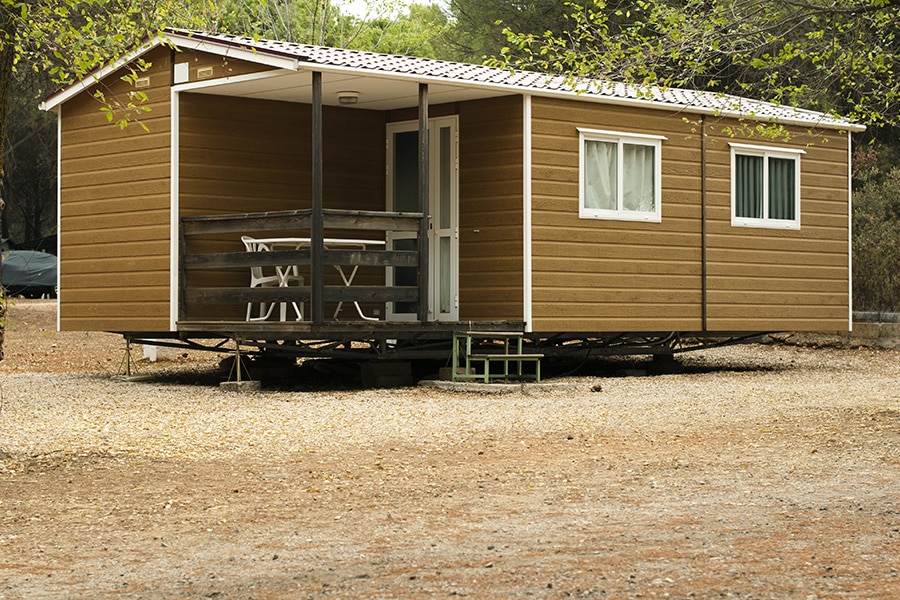
What Does Mobile Home Insurance Cover?

July 26, 2023 by Steve Gebhardt

what does mobile home insurance cover

Sometimes mobile homes get a bad rap. Tornado movies probably have a lot to do with that. In reality, though, moving into a mobile home can actually be an excellent way to achieve homeownership quicker and cheaper than waiting to save up money to buy a stick-built home.

Purchasing a mobile or manufactured home isn’t like buying a new car or RV; it’s a home. Therefore there are some additional purchases you need to make to ensure that you protect your home from damage and loss.

The most important first step is securing home insurance. Though a mobile home is a home, mobile home insurance coverage operates a little differently than traditional home insurance so you need to make sure that you secure the correct policy. These policies are different because the value of a mobile home differs from a standard home and therefore costs and payouts operate differently.

So if you live in a mobile home, you need mobile home or manufactured home insurance and you should know what does mobile home insurance covers.

What’s the difference between mobile, manufactured, and modular homes?

Before diving into coverages, it’s important to get a few terms straight. The terms “mobile, manufactured, and modular” are frequently used interchangeably, but they do have different meanings. All three types are factory-built homes but they carry a few differences which is why they have different names. According to the Department of Housing and Urban Development (HUD), mobile homes are any factory-built homes built before June 15, 1976. Manufactured homes are those built after this date. Modular homes are built a little differently and are regulated by local building codes.

But whether you live in a mobile, manufactured, or modular home, you likely need mobile home insurance.

What basic coverages are included in mobile home insurance?

Standard mobile home insurance coverage typically includes a few basic coverages. These include coverage for your home and personal property, liabilities, and additional expenses.

Property Damage

Accidental damage to your home and structure is typically covered by your mobile home insurance policy. This includes damage due to weather events, vandalism, and malfunction of home systems such as water heaters and some appliances. Your personal property coverage is set by you and determined by the amount of items you need to insure. This may include furniture, clothing, electronics, jewelry, housewares, and more. Separate policy add-ons may be needed for expensive items such as jewelry and artwork. It is wise to review your coverage limits annually to ensure that all of your property and belongings remain adequately insured.

Liability

Incidents that happen on your property are your responsibility. Likewise, accidents caused by your children or pets are also your responsibility to repair or replace. To ensure that you do not have to pay for accidents out of pocket, your mobile home insurance will carry liability insurance to cover these events. This liability coverage insures accidents that occur on your own property or at the property of another that is caused by you, your children, or an animal that you own.

Medical Expenses

If a guest of yours or a hired workman gets hurt on your property, their health insurance may cover the cost of their medical bills. But if not, it is your responsibility to pay for the medical expenses that are incurred because of an incident on your property. These costs can add up quickly. To account for this, your mobile home insurance policy will cover medical expenses for accidents that occur on your property for those who do not live there. It is important to note that this coverage likely does not cover residents of the home.

Living Expenses

If your home is damaged and you are displaced while waiting for repairs or replacement, your mobile home insurance policy will not only cover the repairs for your property but will also pay for your new additional living expenses. This may include hotel or rental costs, food stipends, and more. This is sometimes referred to as “loss of use” coverage.

What perils are covered by mobile home insurance?

Most accidental damage to your home will be covered by your mobile home insurance policy. These problems are referred to as “perils.” These perils often include damages caused by lightning, fire and smoke, hail or snow, wind, explosions, falling objects, wild animals, and vandalism. In most cases, frozen pipe bursts are covered as long as neglect wasn’t involved.

What does mobile home insurance not cover?

Not all damage that occurs to your home is covered by your mobile home insurance. Damage that is typically not covered includes damage caused by neglect or incorrect repair, damage caused by military action or civil authority, and any intentional damage or damage that is a result of action on another’s property such as sewer backup or power failure. These types of damage may require additional coverage.

Damage not covered that is most often a surprise to homeowners is flood and earthquake damage. To protect your home against these natural disasters, you must purchase separate flood insurance or earthquake insurance. Additionally, mold or fungi damage is not a covered peril in itself, but is only covered if caused by an already covered peril.

How to Secure Mobile Home Insurance

At Gebhardt Insurance Group, our expert agents take special care to explain the terms of your policy, walk you through the coverages, and ensure that you understand what does mobile home insurance covers and does not have.

We never want a client to be blindsided by an accident. Call us today to secure peace of mind in knowing that you are covered if an accident occurs involving your home or property.

Filed Under: Home Insurance, Mobile Home Insurance

How Much Is Mobile Home Insurance?

July 12, 2023 by Steve Gebhardt

how much is mobile home insurance

There are many misconceptions about insurance when it comes to mobile or manufactured homes. The word “mobile” leads many to believe it should be handled much like insuring a camper, an RV, or another automobile. But in actuality, it is more similar to insuring any standard constructed home. Therefore, simply carrying auto insurance is not the proper way to ensure that your property and personal belongings are financially secured in cases of disaster or destruction.

Insuring your mobile home is one of the most important steps to take when moving in. The process is similar to purchasing any home insurance but there are a few key differences and specifications to make when looking for a mobile home insurance company.

Continue reading to learn more about what mobile home insurance covers, how much is mobile home insurance and how to find an insurance company with the right policy for you and your home.

What Qualifies as Mobile and Manufactured Homes?

The terms “mobile,” “manufactured,” and “modular,” are often used interchangeably when describing a non-constructed home. It is not necessarily incorrect to do so but these three terms do have mild specific differences which can be important for insurance purposes.

All three of these types of homes are built in a factory and then transported to the property to be installed. But “manufactured homes” are subject to safety standards specified by the Department of Housing and Urban Development (HUD). Any home produced before these HUD codes went into effect on June 15, 1976, falls under the term “mobile home.” Homes built according to state or regional codes rather than federal are called “modular homes.” These homes are also typically built over a crawl space or basement.

Knowing how old your home is and how it is classified helps to determine the type of home insurance you need.

Types of Mobile Home Insurance Coverage

Mobile home insurance coverage operates much like typical home insurance. You can choose the types of coverage you need and the amount of coverage you wish to carry in each category. Most standard mobile home insurance policies include several types of coverage.

Dwelling coverage covers the structure and systems of the home in case of fire, hail, wind, or vandalism. It is important to note that dwelling coverage does not cover floods, this must be added separately if needed.

Personal property coverage protects and replaces your personal belongings in the home. The amount of personal property coverage you carry is determined by you and the cost of your belongings you need to insure.

Another important piece of home insurance is liability or medical coverage. This coverage is necessary in cases where someone is injured on your property or by your property such as a pet. Some policies also allow you to add endorsements such as for additional structures on the property like sheds and garages or expensive items such as jewelry.

When selecting the type of coverage you need for your mobile or manufactured home, it is important to note whether the policy insures at replacement cost or actual cash value. In many cases, dwelling coverage for mobile homes will automatically insure the home at its original cost rather than replacement value unless it is otherwise specified in the contract.

Is Mobile or Manufactured Home Insurance Required?

According to state and federal law, it is not a requirement that you carry any mobile or manufactured home insurance. But even though the law does not require it, that does not mean that it is not a requirement for you.

Are you using a mortgage loan to secure financing for your mobile or manufactured home? If so, your lender will likely require that you carry home insurance in a specific amount that covers the repair and replacement of the entirety of the structure before you can secure the loan.

Similarly, if you choose to live in a mobile home community, it is likely that you will be required to carry sufficient mobile home insurance. At minimum, many communities require that residents carry a liability policy.

Even if you live on land where you are not required to carry mobile home insurance, it is a wise idea to carry mobile home insurance to protect your assets and ensure that your property is repaired or replaced if property damage occurs. Otherwise, you could be left with a hefty expense to pay out of pocket.

How Much Does Mobile Home Insurance Cost?

It is difficult to give an accurate estimate of how much is mobile home insurance because each case is determined by a variety of factors.

Mobile homes differ from constructed homes because their lack of permanency affects their value. The value of a standard construction home appreciates and grows over time while the value of a mobile or manufactured home depreciates. In most cases, after years of wear and tear, it is actually cheaper to purchase an entirely new structure than to repair or replace damaged parts in a manufactured home.

Because of this, not all insurance companies offer mobile home insurance. Additionally, those that do offer home insurance may require special endorsements to be added to your policy if you want to ensure that your home is covered at replacement cost in the case of a total loss.

Factors that determine the cost of mobile home insurance are where the home is located, claims history, the type of structure involved, and the level of coverage you need.

Connect with a Mobile Home Insurance Agent

Are you in the market for mobile or manufactured home insurance? Perhaps you are looking to move onto some land or hit the road and travel and you’re not sure what type of insurance you need exactly. Our team at Gebhardt Insurance Group can help!

Our team specializes in connecting you with one of 40 respected insurance carriers to ensure that you get the exact insurance you need. Speaking with a team member ensures that all of your questions about the availability and how much is mobile home insurance are answered and none of your belongings are left uninsured.

Call us today to begin a conversation about your mobile home insurance needs. We are happy to help!

Filed Under: Mobile Home Insurance

How to Shop for Auto Insurance

June 16, 2023 by Steve Gebhardt

how to shop for auto insurance

When listening to car insurance commercials, it’s not uncommon to hear talk about “lowering your car insurance rates.” But how do you do that? Can you just call up your current insurance company and ask for a lower rate? Actually, with some insurance companies you might be able to do just that. It’s definitely worth a shot! But in actuality, you will have to make a change to your policy or switch car insurance companies in order to get an auto insurance quote for a lower rate.

Changing your coverage type, and coverage limits, or adding or dropping a vehicle may change your auto insurance rates. But there may also be a solution without having to change the vehicles in your driveway and without having to lower your necessary coverage.

Shopping for car insurance quotes across multiple different companies is called a comparison shop. When comparing car insurance quotes you may find that you can get cheap car insurance simply by switching to a different company. Assessing your auto coverage and performing a comparison shop every year will ensure that you always take advantage of the lowest rate available to you.

Here are some steps to take on how to shop for auto insurance.

Gather Personal Information

In order to get an accurate insurance quote tailored to your needs you will have to give each company some information about yourself. To speed up this process and save yourself from having to dig around in stacks of papers or rack your brain for login info while in the middle of filling out forms, it is best to compile the information you need to have on hand ahead of time.

Some questions you may be asked involve what type of vehicles you need coverage for and how you use them along with vehicle identification numbers (VIN), all drivers on the policy, where your cars are parked, your education level, and insurance and accident histories.

Determine Coverage Needs

The quote you receive will be determined mostly by the coverage you need. Are you only looking for minimum liability coverage? This quote will be the cheapest option. Or do you need collision, comprehensive, and other coverages such as roadside assistance and underinsured motorist coverage? The type of vehicle you drive and the type of driving you do most often will determine the type of coverage you need.

If you don’t drive very often, have an older car that is paid off, and have significant savings to cover accidental damage or replacement, you may only need to carry the state minimum liability requirements. But if you have new cars, car loans, drive often in the city, and do not want to pay out of pocket for property damage and repairs, then carrying higher coverage is a wiser choice.

Ask About Discounts

Most insurance companies offer significant discounts for a variety of factors. Are you a teacher or a first responder? You might qualify for a discount based on your job. Are you a safe driver? Several insurance companies have monitoring apps or programs that monitor your driving record, speed, braking habits, and even your history of getting tickets. If you’re deemed a safe driver, you may see a lower insurance cost.

It’s important to note that it may not always be the best move to switch companies for a lower rate because some companies offer loyalty discounts for insuring multiple vehicles or bundling your home and auto insurance with the same company.

Organize and Compare Quotes

Gathering quotes to compare rates may take some time. You must fill out forms and wait for a response. You may complete it all in one sitting if you are dedicated, but it will likely take several days to gather all of the information when you do it by yourself, therefore having an organized system will help you in the long run.

Compiling all your quote information in the same place will help you stay organized. You may choose to input quotes and info into a spreadsheet online, print it out and place it in a file folder, or archive it in a folder in your inbox. With any choice, it’s wise to make sure that you gather the same info from each company to ensure that your quote comparison is accurate.
A few pieces of info to track are coverages, deductibles, limits, and customer satisfaction ratings.

Make Your Selection

Once you have gathered as many car insurance quotes as you need, and organized the information, the only steps left are to make your choice and sign up for coverage. Your choice may be based on the lowest rate available, the best coverage available, the best reviews, or any other metric that is important to you. Each person has different needs therefore it’s important to ensure that you make the decision based on what works best for you.

A very important factor to consider when choosing car insurance and making a switch is to ensure that you avoid a lapse in coverage if you do choose to switch your insurance carrier. To do this, ask clarifying questions and make clear notes of end and start dates to your policies to ensure that your cars remain covered through a switch. Getting caught driving without insurance for even one day can be detrimental to your budget if you are pulled over or get into a car accident without proper insurance coverage.

Work With an Insurance Group

Many insurance companies have comparison tools on their websites that allow you to complete a quick request for an insurance quote. These can be helpful when you are in a hurry or know exactly what you’re looking for but they’re not your best option when you have questions or have no idea which companies to even look at. To access these tools you really need to already know which companies you want to review and this may take some time to research.

When you choose to work with Gebhardt Insurance Group, our agents take the comparison shopping work off your plate. We have relationships with the top insurance carriers in Arizona and have special insight into the coverage options and cost of car insurance each company offers. When you choose us to help you run a comparison shop, obtaining information does not take as long as it would if you are comparing quotes by yourself and we can also answer all questions you have immediately. Additionally, we can help you sign up when you’ve made your choice and ensure that you don’t experience a lapse in coverage.

Let us help you find the most affordable auto insurance coverage for you. Call us today to get started.

Filed Under: Auto Insurance

How Many Life Insurance Policies Can You Have?

June 2, 2023 by Steve Gebhardt

how many life insurance policies can you have

Want to ensure that your loved ones are cared for after you are gone? Of course, you do! Securing life insurance coverage is the best way to ensure that your family is not riddled with financial burdens after you have passed. But simply having a policy is not enough to assure peace of mind. Your policy must be extensive enough to cover all final expenses, debts, and living expenses for those who currently depend on you financially.

But, as is the case with everyone, you do not know the day or the hour when you will pass. It can be difficult to plan for an event that is so unpredictable. But the worst thing you could do is to ignore it. You have options for your planning. It is possible to set multiple plans in place so that whether calamity strikes soon, or hopefully you pass many many years from now, the people who love and depend on you are taken care of when you are gone.

One such option is buying multiple life insurance policies. Though not everyone knows how to do this correctly or even that it is possible.

Below are the answers to some questions about having multiple life insurance policies and when it is a good idea.

Is There a Limit to How Many Policies I Can Have?

It is possible to carry multiple life insurance policies. But is there a limit to how many you can have? Not officially. There aren’t any laws that prohibit you from carrying as many life insurance policies as you can find. But that doesn’t mean it is possible or a good idea. For starters, you can only carry the amount of life insurance that you can afford. Each month you must make a premium payment to your life insurance company, therefore if you have multiple policies, that is multiple premiums. You are a risk to insure if your premiums are more than your budget affords. To prevent this, most insurance companies will cap your total amount of coverage limit to 25 times your annual income. So while there may not be an official limit to how many policies you carry, there is a limit to the amount for which you can be insured.

Can I Carry Policies With Multiple Companies?

While it is possible to carry policies with multiple companies, it may not be the wisest choice. Most insurance agents use the same database, therefore each can see how many policies you have applied for and which companies have accepted or denied you. If a company believes you are trying to overinsure yourself, your application will likely be denied. If you wish to purchase additional life insurance, it is always best to first speak with your current carrier to see if you can add a new policy or increase your current policy with additional coverage.

When Should I Consider Carrying Multiple Policies?

Not everyone needs to carry multiple policies. It can be more costly than the value you receive. But certain circumstances in life may warrant carrying more than one policy at a time.

Life Events

When reaching major life events such as getting married, having a baby, buying a house, or starting a small business, it is a smart idea to conduct a life insurance policy review.
Any event that increases your financial responsibility also increases your life insurance needs. But increasing current life insurance coverage, especially if you carry a permanent life insurance policy, can greatly increase your premiums. Buying an additional term policy to cover new large expenses might be a more affordable way to remain properly insured.

Long Term Care

When planning for the future, it’s not only smart to consider your loved ones when you are gone, but you must also think of their well-being and your own as you age. Life insurance policies are designed to cover financial responsibility after someone has passed, and especially if they pass young, but what happens if you live for a long time? Is that money wasted? Not if you plan correctly.

Carrying an insurance policy that includes a long-term care rider allows you to use the death benefit to pay for your care as you age. If you find yourself needing in-home nursing, you can use your life insurance policy to cover that cost while you are still alive. Additionally, if you do not use the full amount of the policy, or if you do not need long-term care, your beneficiaries will still receive the remainder of the death benefit upon your passing.

Financial Planning

Many people who desire to make smart financial planning decisions employ a strategy known in the insurance business as the ladder strategy. This strategy operates on the premise that you carry more financial responsibility and risk when you are younger, and as you age, those responsibilities decrease. Therefore you can save on premium costs by buying multiple policies in varying term lengths.

This looks like having high coverage for 10 years, medium coverage for 20 years, and a lower coverage policy that extends for 30 years. When doing this, you are insured for your younger years when you have a higher mortgage and childcare costs, but you are not paying high premiums later when your children are grown and your debts are paid off. Comparing this strategy against a high coverage policy for 30 years may save you money in the long run.

Are There Alternatives to Carrying Multiple Policies?

Buying a new or additional life insurance policy is not always the best or most cost-saving option. Depending on the company you insure with, you may have alternative options. For instance, some policies may include a guaranteed insurability rider which gives you the option to increase your coverage without undergoing another medical exam. This is beneficial to you because you can increase or decrease your coverage regardless of your health. It is important to note that though your health may not affect your premium with this rider, your age will still determine your premiums when changes are made.

Another alternative is by carrying a term life insurance policy with a term conversion rider. This rider allows you to convert your entire term policy, or portions of your policy, into permanent life insurance. Each company has its own policy for how to convert or time limits and deadlines on when you must make a conversion choice.

Are Multiple Policies Right for You?

Have you recently experienced a major life event? Or perhaps you aren’t sure of the terms of your current life insurance policy and that troubles you. Conducting a life insurance review is a smart way to ensure that your financial responsibilities are taken care of. It is also the most satisfactory way to give you peace of mind.

If you believe your circumstances or position in life warrants carrying multiple life insurance policies, you should speak to an insurance agent right away. Our agents at Gebhardt Insurance Group are experts at assessing your state of affairs and advising you on the best policy configuration for you specifically. Don’t find yourself underinsured, or buying additional policies you do not need, call to speak to a member of the Gebhardt team today.

Filed Under: Life Insurance

Home Insurance Needs: Guaranteed or Extended Replacement Cost Coverage

May 24, 2023 by Steve Gebhardt

extended replacement cost

So you’ve bought a house? Hooray! Your first order of business is to celebrate with your favorite dinner! But what is your second order of business? Acquiring homeowners insurance to protect yourself against a total loss in the case of a natural disaster or calamity.

You may be questioning “Would that really happen to me?” And the good thing is, it likely won’t. But your home is one of the greatest investments you will ever make, and it is also the place where you live and store your most precious belongings. You can’t afford to take the risk of not carrying proper insurance.

In the event that something terrible does happen, without coverage, you will be responsible for replacing your home and all your belongings entirely out of pocket. This means the total cost to rebuild your home, including the cost of materials and labor, will fall squarely on your shoulders. Can you afford the rebuilding costs? If not, you need adequate insurance coverage.

But how much insurance do you need? Is all home insurance the same? Are all types comparable?

Here’s a brief breakdown of your options.

Types of Homeowners Insurance Coverage

All home insurance coverage is not the same. There are basically four types of coverage that insurance companies offer to rebuild your home after a covered loss. Home insurance is not one-size-fits-all and the type of coverage you select should be based on your budget, assets, and amount of risk. But, some coverage is better than others.

Lowest Coverage: Actual Cash Value

The value of your home as a whole should appreciate over time, but the actual materials that your home is made of and the belongings you own depreciate over time due to age and wear and tear. Therefore, the type of coverage your policy includes matters when it comes to replacing the materials of your home and belongings.

The lowest and most affordable type of home insurance is actual cash value coverage. This covers the cost of replacing items including depreciation. This means, if you have to replace something, your insurance company will not pay for the new cost of that item, only the amount the item costs in the first place. In this situation, insurance coverage does not cover the full amount of replacing the item and homeowners have to make up the difference out of pocket.

Good Coverage: Replacement Cost Coverage

To protect yourself from having to pay a large amount to rebuild your home, a better option is to carry replacement cost coverage. This type of coverage may cost more in premium costs or deductibles but can save you money in the long run because it ensures that your insurance company will pay the cost to replace materials at their current cost, without factoring in depreciation. This coverage can save your pocket and peace of mind.

Better Coverage: Extended Replacement Cost Coverage

Unfortunately, carrying replacement cost coverage is not always enough to save you from having to pay out of pocket to rebuild. The costs of labor can rise dramatically, especially in a high-demand scenario such as a natural disaster that affects a broad area. Your policy will only cover rebuild costs up to your dwelling coverage limit, therefore if costs rise past the limit, you must pay for the difference yourself. When you select Extended coverage, your insurance company will pay an additional percentage above replacement cost, which can save you from having to pay the difference.

Best Coverage: Guaranteed Replacement Cost Coverage

This is the gold standard of home insurance coverage types. Guaranteed Replacement Cost covers the entirety of materials, labor, and construction costs regardless of how much it costs. This type of coverage is undoubtedly the most expensive coverage to carry and unfortunately, many insurance companies do not offer it. But, if you are willing to pay for it and want to be completely protected, you can likely find an insurance company to cover you.

How to Secure Home Insurance Coverage

Call our team at Gebhardt Insurance Group. Our agents are ready to speak with you about your insurance needs and can explain all your coverage options. We can even help compare rates from many different carriers to ensure you are getting the best deal available to you. Don’t wait until disaster strikes! Insure your home today.

Filed Under: Home Insurance

« Previous Page
Next Page »

Recent Posts

  • SR-22 Insurance in Maricopa: What Arizona Drivers Need to Know
  • Allstate vs. Gebhardt Insurance: Which Is the Best Choice for Casa Grande and Maricopa Residents?
  • Why You Should Bundle Auto and Home Insurance: A Complete Guide for Casa Grande & Maricopa Homeowners
  • Can Golf Carts Be Driven on the Road in Casa Grande? Complete 2025 Guide
  • Complete Insurance Checklist for Snowbirds & Winter Visitors in Casa Grande & Maricopa, Arizona
logo-main-white

719 E Cottonwood Lane, Suite #1
Casa Grande, AZ 85122

44400 Honeycutt Rd, Suite #102H
Maricopa, AZ 85138

Facebook Twitter Feeds
5 star yelp

Insurance Types

Motorcycle Insurance
Motorhome Insurance
Mobile Home Insurance
Life Insurance
Medicare Insurance
Home Insurance
Commercial Insurance
Auto Insurance

Our Company

Careers
Contact Us
File a Claim

Recent Posts

What is the Average Car Insurance Cost per Month in Arizona?
Summer in Casa Grande & Maricopa: Why Insurance Matters More Than Ever
Maricopa Home Insurance Made Easy: How Gebhardt’s Local Experts Find Your Best Coverage
Comparing Car Insurance Rates in Maricopa: How to Find the Best Deal

Copyright © 2024. By GEBHARDT INSURANCE GROUP | PRIVACY POLICY

Accessibility

Online Dictionary

    Readable Experience

    Content Scaling
    Default
    Text Magnifier
    Readable Font
    Dyslexia Friendly
    Highlight Titles
    Highlight Links
    Font Sizing
    Default
    Line Height
    Default
    Letter Spacing
    Default
    Left Aligned
    Center Aligned
    Right Aligned

    Visually Pleasing Experience

    Dark Contrast
    Light Contrast
    Monochrome
    High Contrast
    High Saturation
    Low Saturation
    Adjust Text Colors
    Adjust Title Colors
    Adjust Background Colors

    Easy Orientation

    Mute Sounds
    Hide Images
    Virtual Keyboard
    Reading Guide
    Stop Animations
    Reading Mask
    Highlight Hover
    Highlight Focus
    Big Black Cursor
    Big White Cursor
    Navigation Keys

    Casa Grande Insurance Agency Accessibility Statement

    Accessibility Statement

    • www.gebhardtinsurancegroup.com
    • July 3, 2026

    Compliance status

    We firmly believe that the internet should be available and accessible to anyone, and are committed to providing a website that is accessible to the widest possible audience, regardless of circumstance and ability.

    To fulfill this, we aim to adhere as strictly as possible to the World Wide Web Consortium’s (W3C) Web Content Accessibility Guidelines 2.1 (WCAG 2.1) at the AA level. These guidelines explain how to make web content accessible to people with a wide array of disabilities. Complying with those guidelines helps us ensure that the website is accessible to all people: blind people, people with motor impairments, visual impairment, cognitive disabilities, and more.

    This website utilizes various technologies that are meant to make it as accessible as possible at all times. We utilize an accessibility interface that allows persons with specific disabilities to adjust the website’s UI (user interface) and design it to their personal needs.

    Additionally, the website utilizes an AI-based application that runs in the background and optimizes its accessibility level constantly. This application remediates the website’s HTML, adapts Its functionality and behavior for screen-readers used by the blind users, and for keyboard functions used by individuals with motor impairments.

    If you’ve found a malfunction or have ideas for improvement, we’ll be happy to hear from you. You can reach out to the website’s operators by using the following email

    Screen-reader and keyboard navigation

    Our website implements the ARIA attributes (Accessible Rich Internet Applications) technique, alongside various different behavioral changes, to ensure blind users visiting with screen-readers are able to read, comprehend, and enjoy the website’s functions. As soon as a user with a screen-reader enters your site, they immediately receive a prompt to enter the Screen-Reader Profile so they can browse and operate your site effectively. Here’s how our website covers some of the most important screen-reader requirements, alongside console screenshots of code examples:

    1. Screen-reader optimization: we run a background process that learns the website’s components from top to bottom, to ensure ongoing compliance even when updating the website. In this process, we provide screen-readers with meaningful data using the ARIA set of attributes. For example, we provide accurate form labels; descriptions for actionable icons (social media icons, search icons, cart icons, etc.); validation guidance for form inputs; element roles such as buttons, menus, modal dialogues (popups), and others. Additionally, the background process scans all of the website’s images and provides an accurate and meaningful image-object-recognition-based description as an ALT (alternate text) tag for images that are not described. It will also extract texts that are embedded within the image, using an OCR (optical character recognition) technology. To turn on screen-reader adjustments at any time, users need only to press the Alt+1 keyboard combination. Screen-reader users also get automatic announcements to turn the Screen-reader mode on as soon as they enter the website.

      These adjustments are compatible with all popular screen readers, including JAWS and NVDA.

    2. Keyboard navigation optimization: The background process also adjusts the website’s HTML, and adds various behaviors using JavaScript code to make the website operable by the keyboard. This includes the ability to navigate the website using the Tab and Shift+Tab keys, operate dropdowns with the arrow keys, close them with Esc, trigger buttons and links using the Enter key, navigate between radio and checkbox elements using the arrow keys, and fill them in with the Spacebar or Enter key.Additionally, keyboard users will find quick-navigation and content-skip menus, available at any time by clicking Alt+1, or as the first elements of the site while navigating with the keyboard. The background process also handles triggered popups by moving the keyboard focus towards them as soon as they appear, and not allow the focus drift outside of it.

      Users can also use shortcuts such as “M” (menus), “H” (headings), “F” (forms), “B” (buttons), and “G” (graphics) to jump to specific elements.

    Disability profiles supported in our website

    • Epilepsy Safe Mode: this profile enables people with epilepsy to use the website safely by eliminating the risk of seizures that result from flashing or blinking animations and risky color combinations.
    • Visually Impaired Mode: this mode adjusts the website for the convenience of users with visual impairments such as Degrading Eyesight, Tunnel Vision, Cataract, Glaucoma, and others.
    • Cognitive Disability Mode: this mode provides different assistive options to help users with cognitive impairments such as Dyslexia, Autism, CVA, and others, to focus on the essential elements of the website more easily.
    • ADHD Friendly Mode: this mode helps users with ADHD and Neurodevelopmental disorders to read, browse, and focus on the main website elements more easily while significantly reducing distractions.
    • Blindness Mode: this mode configures the website to be compatible with screen-readers such as JAWS, NVDA, VoiceOver, and TalkBack. A screen-reader is software for blind users that is installed on a computer and smartphone, and websites must be compatible with it.
    • Keyboard Navigation Profile (Motor-Impaired): this profile enables motor-impaired persons to operate the website using the keyboard Tab, Shift+Tab, and the Enter keys. Users can also use shortcuts such as “M” (menus), “H” (headings), “F” (forms), “B” (buttons), and “G” (graphics) to jump to specific elements.

    Additional UI, design, and readability adjustments

    1. Font adjustments – users, can increase and decrease its size, change its family (type), adjust the spacing, alignment, line height, and more.
    2. Color adjustments – users can select various color contrast profiles such as light, dark, inverted, and monochrome. Additionally, users can swap color schemes of titles, texts, and backgrounds, with over 7 different coloring options.
    3. Animations – epileptic users can stop all running animations with the click of a button. Animations controlled by the interface include videos, GIFs, and CSS flashing transitions.
    4. Content highlighting – users can choose to emphasize important elements such as links and titles. They can also choose to highlight focused or hovered elements only.
    5. Audio muting – users with hearing devices may experience headaches or other issues due to automatic audio playing. This option lets users mute the entire website instantly.
    6. Cognitive disorders – we utilize a search engine that is linked to Wikipedia and Wiktionary, allowing people with cognitive disorders to decipher meanings of phrases, initials, slang, and others.
    7. Additional functions – we provide users the option to change cursor color and size, use a printing mode, enable a virtual keyboard, and many other functions.

    Browser and assistive technology compatibility

    We aim to support the widest array of browsers and assistive technologies as possible, so our users can choose the best fitting tools for them, with as few limitations as possible. Therefore, we have worked very hard to be able to support all major systems that comprise over 95% of the user market share including Google Chrome, Mozilla Firefox, Apple Safari, Opera and Microsoft Edge, JAWS and NVDA (screen readers), both for Windows and for MAC users.

    Notes, comments, and feedback

    Despite our very best efforts to allow anybody to adjust the website to their needs, there may still be pages or sections that are not fully accessible, are in the process of becoming accessible, or are lacking an adequate technological solution to make them accessible. Still, we are continually improving our accessibility, adding, updating and improving its options and features, and developing and adopting new technologies. All this is meant to reach the optimal level of accessibility, following technological advancements. For any assistance, please reach out to