
File a Claim

Make a Payment

Facebook Twitter Feeds
logo-main-white
  • Home
  • About Us
    • Our Insurance Carriers
    • Careers
  • Insurance Types
    • Auto Insurance
    • Bonds
    • Commercial Insurance
    • Churches Insurance
    • Home Insurance
    • Life Insurance
    • Medicare Insurance
    • Mexico Insurance
    • Mobile Home Insurance
    • Motorcycle Insurance
    • Non-profit Insurance
    • Renters Insurance
    • Insurance for Snowbirds Arizona
    • Golf Cart Insurance
  • Locations
    • Casa Grande
    • Maricopa
  • Blog
  • Contact Us
  • Get Free Quote
Text or Call Us Today!
520-836-3244

Author: Steve G

Insurance blog, articles, and news written by Stephen Gebhardt, founder and CEO of Gebhardt Insurance Group an Insurance agency in Casa Grande, Arizona.

Monsoon Preparation Checklist

September 13, 2018 by Steve Gebhardt

A Summer Monsoon In Sedona Arizona Brings Large Lightning Strike

Monsoons are summer storms that can hit fast and hard, leaving significant storm damage and flooding in their wake. One of the most damaging things about monsoons is that, often, they come in waves, giving little relief in between storms. Before monsoon season hits, and in times in between, follow these steps to make sure that you are prepared for severe weather and storms.

Home Preparation for Monsoon Season

A monsoon can cause serious damage to a home, especially one lying in a low area. Check all roofs, windows, and doors for potential leaks or current signs of water damage, such as rotting wood or rust. Work with a contractor ahead of time in order to fix any damage now, and to re-apply any needed waterproofing, so it doesn’t get worse after heavy rain.

If you have any valuables, such as expensive rugs or heirloom wood furniture, consider placing it in an especially secure spot, even in storage in order to protect it from potential water damage in your home.

Ensure that your home is well-ventilated, so that if water does come it your home will air out. If your home stays damp, mold can grow that will lead to additional post-flood headaches. Also consider investing in fans, so that you can more easily air out damp areas.

Make sure that drains are clear in and around your home. Standing water that cannot drain properly is a breeding ground for mosquitoes. It will also keep the area around your home moist for a longer time.

Prepare to be at home for several days with no electricity or running water. Stock up on bottled water – you should have at least three gallons easily available for each person and pet in your home. Invest in nonperishable food that does not need to be cooked in order to eat it. Check all batteries, and buy extra for flashlights and battery-powered radios. Make sure you have a full first aid kid, and get extra medication from the pharmacy.

Have an evacuation plan in place if you need to leave suddenly in the event of rising waters. Everyone in your family should know where high ground is and how to get there. In a flash flood, be prepared to leave quickly, taking only the bare necessities.

If you have additional time to evacuate, have bags packed with what you will need for a few days, including medicine, contact lenses, extra cash, and cell-phone chargers. Charge and pack cell phone battery chargers, in case you lose power for several days. Make sure everyone in your family knows the plan and put a plan in place to communicate with extended family to let them know when you are safe. Have a plan to check on neighbors, especially if they have small children or mobility issues.

Car Preparation for Monsoon Season

Only drive if you know it is safe to do so. Monsoons can lead to water levels rising quickly, meaning that roads might be unsafe to drive on. Waters can float cars away, and you don’t want to be in a car that gets caught in a flood. If public transportation is an option, you should take it.

However, before monsoon starts, have your car serviced again. You want your car in top working condition if you do need to use it. Have the mechanic double check your wipers and lights. You want the best visibility possible if you have to drive in extreme weather.

Understand the terms of your automobile insurance in order to make sure you are protected in the event your car is damaged or lost due to a monsoon or flash flooding.

Talking to your insurance provider

Freak weather events, such as intense flooding from monsoons, can lead to significant damage. It is frustrating and emotional enough to process the possibility of losing everything you own, and incredibly daunting to think about replacing it. If you do not have flood insurance, or if your insurance does not accurately reflect the value of your home and belongings, recovering from flood damage will take more time and be significantly more costly.

Even if you are a renter, you should make sure you have renter’s insurance that protects your belongings in the event of a disaster.

Contact an experienced insurance provider today in order to discuss your options for protecting your home and family when the unexpected happens. Our agents at Gebhardt Insurance Company will provide a free quote and answer your questions about the best way to ensure you are protected in the event of a monsoon.

Filed Under: Home Insurance Tagged With: Car Preparation, Home Preparation, Monsoon Season, Monsoon Season Preparation

What’s in a VIN?

September 13, 2018 by Steve Gebhardt

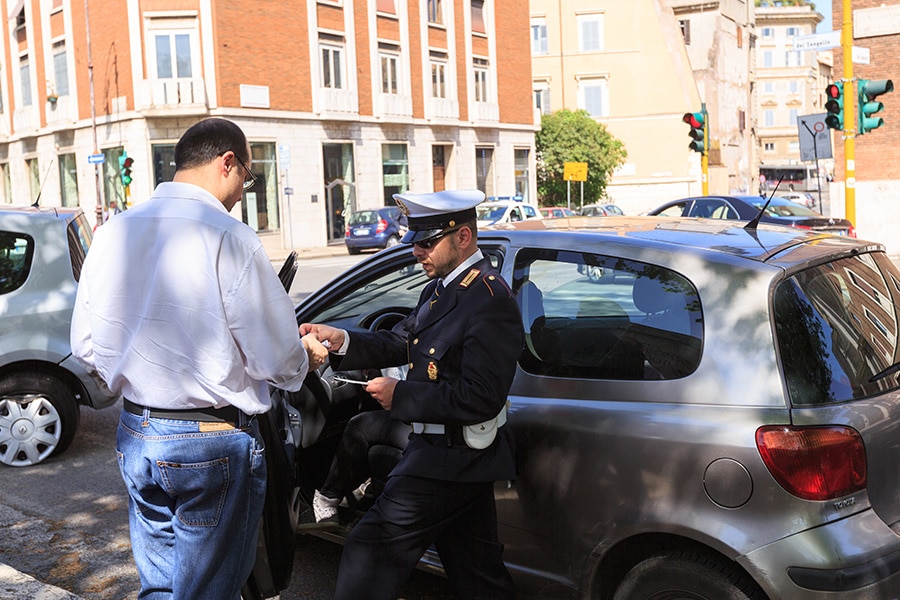
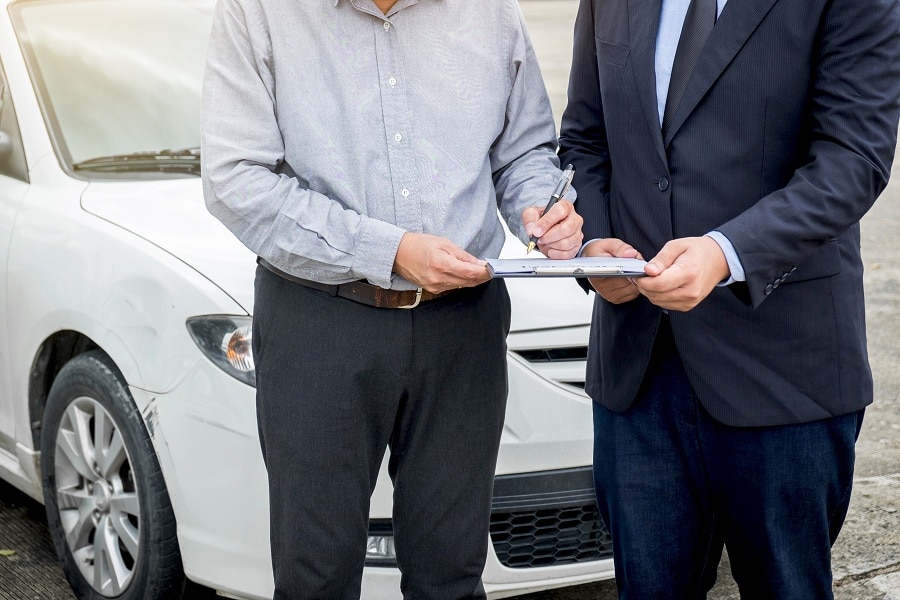
Insurance Agent Examine Damaged Car And Customer Filing Signature
Many people believe a VIN, or vehicle identification number, is just a set of numbers without any real information aside from providing some level of identification for the vehicle. However, it actually does have a few details in it. This serial number is an important component for you when it comes to ownership of a vehicle. The VIN contains a series of numbers with a structured code within them. Most people do not need to know this, but you should have your motor vehicles’ numbers on file in case you need it.

So, What’s in a VIN Code?

The vehicle identification number, VIN, is a set of numbers located on the vehicle. The vehicle’s manufacturer places this number on the car itself before it leaves the factory. It is the single most important component for identifying one vehicle from the next. It is 17 characters in length. And, it is generally on the side door or located under the hood of the car. Sometimes it is positioned right at the bottom of the windshield on the driver’s side. Take a few minutes to find it on your car.

Decoding the VIN can be a bit of a challenge. However, some people have made it a hobby to do so. Here’s a look at what goes into this 17 character set of numbers and letters.

  • The first number provides information about where the vehicle was manufactured. The number corresponds to a country of origin. Vehicles with a 1, 4, or 5 at the start are manufactured in the United States, for example.
  • The second two letters shows the vehicle manufacturer. This may include letters to represent General Motors, for example.
  • Then, there is a string of five letters and numbers together. This provides information about the engine size and type as well as the vehicle’s brand information including the vehicle’s model.
  • The next single letter corresponds with the vehicle security code.
  • Another letter comes next. It represents the year the vehicle was manufactured. The model year correlates with a specific character of the alphabet.
  • Another letter comes next. This provides information on the specific plant that assembled the vehicle.
  • Then, there is a string of six numbers ending this vehicle identifier section. This set of numbers is the actual serial number for the vehicle.

Why You Should Care About the VIN

Reading through the information about what’s in the VIN can give you some information about where your vehicle came from and was assembled. But, it can also provide a variety of benefits over time.

The Highway Traffic Safety Administration, for example, will use this information to look up information about a car that is found or one involved in an accident. This can help with the identification of the vehicle when you cannot do so. If your car is stolen, this information can help in the locating of it.

Another example comes from recalls and safety concerns. Because it provides a world manufacturer identifier, it is possible for researchers, investigators, or even just companies to go back to the manufacturer to find out if there is something wrong with just this car or if it is a problem associated with numerous vehicles manufactured at a specific location. If the National Highway Traffic Safety board needs to consider recalls and safety warnings, this VIN can offer some help in doing so and identifying cars impacted.

You Should Check It, Too

When buying a vehicle, have a VIN check done. This can offer some information to you about the vehicle’s history. A vehicle history report could pull up information about the car’s previous accidents or serious repairs. Use this information to verify the safety and overall condition of the car before you buy it. You can check digit information at the dealership before you buy it. Then, use a third party’s VIN check service to gather information about the vehicle. Any time a police report is filed for the vehicle, this information is included. This gives you a bit of peace of mind.

Your Insurer Needs This Information, Too

Your auto insurance provider will have your vehicle’s VIN on hand. This information is useful to them for theft purposes as well as to verify the information about your car. It helps to identify your car for insurance purposes all around.

Is Your Policy Up to Date?

To get more information about your vehicle or your VIN, or even to just update your auto insurance policy, call our team at Gebhardt Insurance Group. We are happy to help you learn more about your vehicle.

Filed Under: Auto Insurance Tagged With: Vehicle Identification Number, VIN

First-Time Home Buyer Tips And Tricks

August 20, 2018 by Steve Gebhardt

happy couple after buying 1st home

Buying your first house is one of the most exciting and scary times in your life. With so much to consider, it can be tough to make sure you are getting the best deal and the right place for you and your family. It can be fun to shop around but it can also be stressful to think that your next home will be your home for many, many years to come.
When shopping for your first home, be sure to learn about the neighborhood, considering the kinds of stores and public places you like to visit regularly. Also, be sure to shop around for mortgage loans that offer the best rates for your budget. When you choose a potential house, make sure to have a pre-purchase inspection so you don’t wind up with any unexpected surprises when you move in. Finally, make sure you get good homeowners insurance to keep you covered against damage.

Let’s look closer at each of these tips for buying your first house.

Learn the Neighborhood

Every city is different from the others and every neighborhood can be the same way. Some are fast paced while others are slower, some are urban while others are rural. Before you start looking at houses, consider what you want nearby when choosing a neighborhood.

Look at the kinds of stores you regularly shop at, what kinds of public services you enjoy such as parks and libraries, and look at the neighborhood’s proximity to your job. Crime rates may also be a good aspect to look at when choosing a place to live. All of this information is available online with a few quick searches.

Shop around for Mortgage Loans

Not all mortgage loans are created equal. No matter your credit or finances, loan rates can be wildly different from one bank to the other. Pay close attention to the details of any offer and don’t be afraid to get a few quotes and go back to a bank to ask for a matching rate. After all, if they don’t offer a rate you like, they don’t get your money.
As a first-time buyer, you will qualify for an FHA loan. This type of loan allows you to pay as little as 3.5% on the down payment rather than the standard 20% down payment of most mortgages. This can be a huge help in getting into your first house and making it easier to handle closing costs.

Also look for special loan programs. Some cities, states and even the federal government will offer special discounts to military veterans, teachers, healthcare professionals or government workers. You may qualify for a discounted mortgage payment you don’t even know about.

Get a Pre-Purchase Inspection

Nobody likes surprises, especially when they involve costly house expenses in the form of repairs. Just because the house looked great when you took a tour does not mean that there are no issues beneath the surface. This is where a pre-purchase inspection will help.

Before buying a home, professional inspectors can be hired to look over a home from top to bottom, surveying the pipe systems, the water heater, the HVAC system and more. They will provide you with a detailed list of any moderate to severe issues the home may have so you can know how much in repairs you may need to perform down the line.

Armed with this information, you can take a few different actions. If you have the funds, you can simply buy the house and do the repairs. If not, you can ask the current owners to either perform the repairs or take enough cost off the asking price in order to cover the inevitable fixes. Finally, you can always walk away and look for another house.

Homeowners Insurance

One of the most important tips for buying your first house is making sure to find quality homeowners insurance. No matter where you live, a wide range of problems can arise that will only be covered by a homeowner’s insurance policy. Usually this insurance covers basic property damage, such as storm damage or a tree falling on the house, along with basic liability damage, such as someone being injured while on your property.

Extra coverages are available and may be just as important as the base coverage, depending where you live. Flood insurance is a very good idea for those living near the coasts. For us in the southwest, monsoon season can be a headache if you don’t have the proper coverages. Also keep in mind that mobile home insurance is a bit different due to the size and cost of mobile homes.

Just like your mortgage, be sure to shop around for the best rates and policies. There are many different levels of coverage and it is important to know what is covered and for how much.

These are just a few tips for buying your first house. With good planning you can make sure you get the best deal and best quality place that works for you. As with any major purchase, be sure to do your homework and learn as much as you can before making a purchase. Don’t be afraid to ask questions and seek advice every step of the way.

Filed Under: Home Insurance Tagged With: buying tips, home buying guide

The Top Items For Your Car Maintenance Checklist

August 14, 2018 by Steve Gebhardt

car maintenance checklist

Car maintenance is the most important part of owning a vehicle. When you don’t take care of the basics, you run the risk of having much bigger problems down the line. Even worse, car accidents can occur when your vehicle malfunctions due to poor care. Proper maintenance is one of the best ways to avoid an accident.

Tires should be inflated to 35 psi, oil should be changed ever 3,000 to 5,000 miles, transmission fluid may need a change over time, and quality gas is always a good buy. The battery and spark plugs are also essential for your vehicle, so checking to see if the connections are tight and the battery still has plenty of energy will save you from a lot of headaches.

Most of the issues that pop up for car owners can be easily fixed when they care caught early. Best of all, catching a minor issue before it becomes a major problem will cost a lot less to fix.

Here is a car maintenance checklist for any vehicle owner:

Tires

As the only part of the car that hits the road, your tires have to be in great condition at all times. Most vehicles require the tires to be inflated to 35 psi for best performance, and the spare tire inflated to 60 psi. It’s good to check the tread depth, too. If the treads are wearing down, it may be time to get some new tires, which should be swapped every 50,000 miles. Also, be sure to get a rotation every 6,000 to 8,000 miles, as the tires do not wear out evenly if they stay on the same side of the car for too long.

Oil

One of the most important fluids in the car is the engine oil. Whenever you get an oil change, the shop will provide a sticker on your windshield telling when you need another oil change, typically every 3,000 to 5,000 miles. Older cars and high-performance vehicles may need specific types of high grade oil, so be sure to check your user manual or ask a mechanic.

Check the oil every few weeks with the dip stick provided under the hood. Just wipe off the stick, put it back in and pull it back out to see the oil level. You can also see the oil color at this point, and if it is very dark, you probably need an oil change.

Transmission Fluid

This is a fluid that many people don’t think about, but it is essential to a smooth ride. If you find your car struggling to switch gears, always grinding loudly when speeding up before shifting, you may need a transmission flush. Unfortunately, this is usually not a job that can be done at home because most manufacturers build the system so that only the pros can reach the reservoir and flush the system with special tools. Luckily, transmission fluid is rarely needed and you can go the life of your car without needing more. However, if you are having trouble shifting, it is worth looking into.

Gas

Possibly the easiest and most obvious part of car maintenance is having gas in the tank. Every car comes equipped with a dial that shows how much gas is remaining, and many newer models will show a readout estimate of how many miles left before running out.

Depending on the type of car, you may need higher grade gas in order to see peak performance. It is also a good idea to pump “Top Tier” gas from time to time, as gas stations with the “Top Tier” logo have been tested and proven to provide better performance and engine leaning agents in their gas.

Battery

Most aspects of a car operate on mechanical parts, but there’s an entire electrical system doing its part, too. If your car has trouble starting, the lights seem dim or the internal controls don’t seem to work properly, you may need a new battery. Luckily, they are easy to find and install on your own.

If you think you need a new battery, it’s best to check with an automotive store first. They usually have a tool that can test the wattage and voltage of your battery to determine if your problems are related to the battery. Sometimes you just need a battery charging device, or you may have an issue with another part of the electrical system.

Spark Plugs

Another major part of the electrical system in the spark plugs. These work directly with the battery and engine to get things started when you turn the key. If your car is having trouble starting, it could mean you need new spark plugs. They tend to last 30,000 miles before needing replacing and can be installed on your own or by a mechanic.

Windshield Fluid

Another easy part of car maintenance is replenishing windshield fluid. If you try to splash the windshield and nothing comes out, you may need more fluid. Typically, there is a reservoir under the hood on the far left or far right side for windshield fluid.

Air Conditioning

The Air Conditioning system is key to a comfortable ride. If your AC is not blowing cool air, you may need a recharge, which can be done at a shop or with the right tools at home. If a recharge does not work, there may be a problem with the compressor, which is a larger job that typically must be done by a mechanic.

Most importantly, be sure to pay attention to any warning lights or odd sounds coming from your car. There are a wide range of lights that can tell you what’s wrong with your vehicle, making it easy to figure out the problem right when it begins. Most automotive stores can check the internal vehicle system and obtain a code for the exact issue, providing you with information on exactly what you need to do.

Keep up with your vehicle’s maintenance as much as possible. The earlier you catch a problem, the less of a headache it will be.

Filed Under: Auto Insurance Tagged With: Car Maintenance, maintenance checlist

How Long After An Accident Can You File A Police Report

August 13, 2018 by Steve Gebhardt

police report

Most states by law will require that you report a car accident immediately. Majority of the states claim that If you don’t do so, you will only have 10 days after an accident to file a report. However, it is only a legal requirement to report a certain type of accident. Filing a police report after an accident depends on which state you are in, so it’s important to read up on the state laws that the accident has occurred. Luckily, we have information regarding filing a police report after a car accident that applies to the majority of the states.

When do I need to report a car accident to the police?

If you accidentally bump into a parked car and barely made a scratch, then you won’t have to report anything. A simple exchange of both parties contact and insurance information is enough to deal with the problem. However, a $500 in property damage, death, injury, pain, vehicle that needs towing, commercial vehicle, and a drunk driver will require a police report. You can report to the local police department, county sheriff, or highway patrol. It all depends on where that accident has happened.

How do I report a car accident?

If the police have visited, documented, and completed the report on the accident, then you won’t need to file one. If there is no police around and the damages are worth more than $500, then you must file a police report that has jurisdiction over the area in which the car accident has occurred. You can file a report online or print out the form and bring it to the police office.

What information do I need to file a police report?

To report the accident to the police, this is what you need:

When and where did the accident happened, description of the vehicles that were involved, contact information of all the parties that were involved, contact information of any witnesses, and insurance information from both parties.

Why should I file a police report?

If you do not file a police report, then you have committed a non-criminal traffic violation. That means you will have to appear in front of an official and will need to enroll in 120 hours of community service. It’s best to file a police report even if you don’t think you have to. This is mainly to have a record down on the file. Even if you don’t think anyone has suffered an injury, it’s best to file a report. After all, an injury can take up to a couple of days to manifest itself. When you file a police report, it can help connect your injuries to the accident. Without a police report, it is impossible to prove that your injuries have anything to do with the accident. Keep in mind that if you decided to file a claim, you have within four years to do so. Plus, it is impossible to receive compensation from your insurance policy without a police report. This can leave you paying thousands of dollars out-of-pocket.

What if I do not own the vehicle?

If you don’t own the vehicle that is involved in the accident, then the owner can file the report for you. Make sure you write down everything that had happened to ensure that the owner has everything that he or she will need to file the report.

Is the report confidential?

The police report is confidential, but they are accessible to anyone who is involved in the accident.

Do I need a lawyer?

You generally don’t need a lawyer, however, if you decide to file a claim against the at-fault driver, then a lawyer will be a big asset.

Conclusion

If you get into a car accident, the first thing to do is to stay calm. Then assess the situation. If the damage is over $500, or that there is a death or injuries involved, then definitely file a police report. A police report is required by law and very useful to obtain compensation from the insurance company. Plus, if there are injuries related to the accident, a police report will ensure that the injury and the accident are connected. Even if you have any doubt, it’s best to file one anyway. However, if the car accident is very minimal such as a slight nudge on the car that is practically unnoticeable and that no one was hurt or injured, then you could just exchange contact and insurance information and settle it that way. Overall, every state is different when it comes to filing a police report after a car accident and you can get advice from you insurance carrier with how to handle the accident as well. It’s important to do valuable research about the state that your accident happened.

Filed Under: Auto Insurance Tagged With: after a car accident, car accident, police report

How to Deal with Parking Lot Accidents

July 20, 2018 by Steve Gebhardt

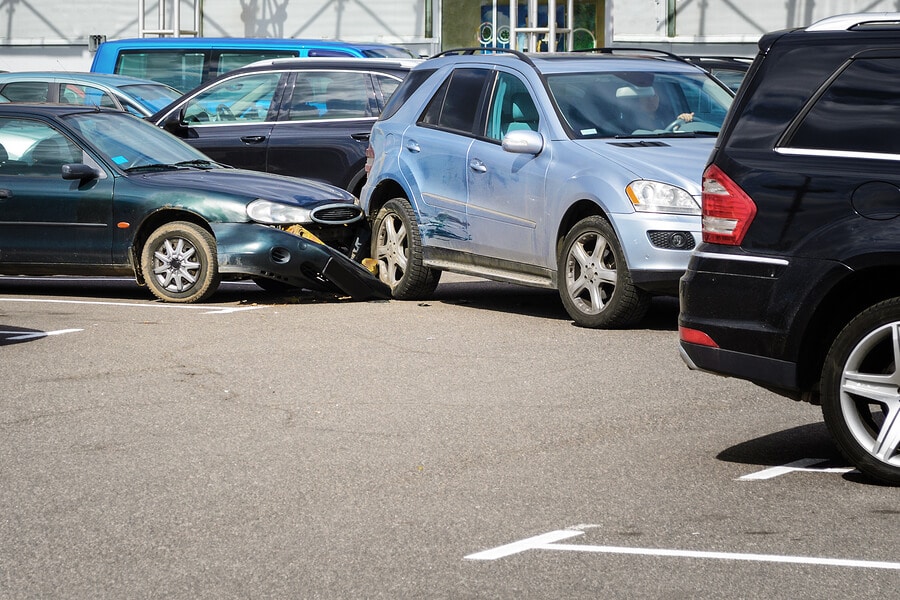
Car accident in the parking lot

Did you know that 1 in 5 car accidents occur in a parking lot?

Congested parking lots and places with dim lighting can make it harder for some drivers to pay attention to not only their own car but also other vehicles around them. Not to mention, traffic laws aren’t enforced in a parking lot, which often leads confusion and irresponsible driving.

Most accidents happen during the holidays, as more people are on the road during this time, and many of them end up drinking. So when the holiday season rolls around, you have to be extra careful where you park your car and how you do it.

But what do you do when you are involved in a parking lot accident?

In this article, we’ll explore what options you have to protect yourself legally. Read on to learn the steps you should take if you ever find yourself in a parking lot car crash.

What you should do if you’re at fault

  • Surveillance cameras are everywhere in parking lots, so don’t drive away. If you’re in a hurry, leave a note, or you’ll likely end up dealing with the consequences of a hit and run.
  • If you’re in a parking lot near a commercial center, try to contact the driver by going inside the store. You can speak to a representative who may allow you to make an announcement.
  • Take a photo of the damages and call the police. If you skip this step, you may have to pay more in damages. There are cases where the victim causes more damage to their own car so they get more money out of you.
  • Don’t act like you’re guilty and avoid apologizing. The surface of the parking lot, the lighting, and the design of the building can also be to blame for the crash. If you do start apologizing, it will imply guilt. Leave it to the insurance adjuster to determine who is to blame.
  • Crashing into somebody’s car is not a crime, but leaving the scene of the accident is. Therefore, stay calm and keep in mind that if you’re insured, your insurance company will cover the damages anyway.

What you should do if you’re the victim

  • Contact your insurance agent and send them a photo of the damages. A professional should be able to tell you what steps to take next.
  • Contact the police if it’s an emergency, or use a non-emergency line if nobody is hurt. The local authorities will document the accident and help you get compensations faster.
  • If the driver who caused the accident is still around, ask them for their contact information and name.
  • Ask around if there’s a surveillance camera in the parking lot.
  • Don’t accept any money or under-the-table deals from the driver who hit your car. Without a specialist, it’s hard to figure out the extent of the damages.
  • Don’t avoid contacting your insurance company. If your rates do go up, speak with another insurance specialist to shop around for better rates. Here are a few of the things that can help you save money on car insurance.

Why and how to file a claim

The process for filing a claim for a parking lot accident is no different than doing so for any other type of accident. You need as much information as possible about the driver who hit you car, including their name and license plate number, the date and time of the accident, photos of the damages, and a police report.

Many drivers don’t like the idea of getting the police involved. But without a police report, you don’t have proof from authorities that the car crash happened.

In some cases, especially in big cities, the police won’t arrive on time. This can occur if more serious accidents happened at the same time in other parts of the city. But making that phone call, and taking notes and photos, is still crucial.

Fortunately, most insurance companies cover accidents that happen in parking lots. This brings me to my next point: many drivers beg the victim to make a deal with them and accept money in cash. Maybe they were under the influence, or maybe they don’t have an insurance.

Regardless of the situation, it’s not worth the risk of getting paid less for damages just to help someone who doesn’t respect the law and is potentially dangerous to other drivers. Always say no to offers like this, and if you fear your rates will go up, look for a new insurance specialist.

At Gebhart, you can get a free quote by giving us a call or texting us.

What happens when your car suffers major damage?

Seeing your car completely destroyed by a car accident isn’t easy most especially if it’s a parked car,  but don’t panic. This is why insurance companies exist. They’re there to get you out of ugly situations.

Your insurance may be able to cover all of the damages done to your vehicle. Also, make sure you read the fine print when you get car insurance, as some policies can even provide you with enough money to buy a better car than the one destroyed in the car crash.

Filed Under: Auto Insurance Tagged With: Filing a Claim, Parking Lot Accident

Important Factors That Affect Bodily Injury Claim Settlement Amounts

July 19, 2018 by Steve Gebhardt

Bodily Injury Settlement Requirements

One of the most frequent questions asked by victims of car accidents is “How much are my injuries worth?”

The truth is, there’s no simple answer to this question. There are a number of factors that can impact claim settlement amounts, all the more reason why you need to have uninsured motorist bodily injury coverage.

In some states, comparative fault is used as a way to determine how much the victim receives for their medical bills. This means that depending of how much the driver who hit you is at-fault (in percentages), those percentages apply to your medical bills.

For example, let’s assume that the driver is found responsible for 80% of the bodily injury because your brakes weren’t functioning properly. As a consequence, 80% of your medical bills will be paid by the driver at fault.

Other factors that may affect the settlement include proof of liability, the county or city where the injury occurred (known as “venue”), whether medical treatments were “reasonable and necessary,” the at-fault party’s driving record, and the claimant’s level of comparative fault.

If you want to find out more about the factors that affect bodily injury claim settlement amounts and the mistakes that might lower them, keep reading. Let’s take a closer look at these factors to see how they might affect your claim.

Factors that increase claim settlement amounts

A number of variables can make your claim settlement amounts bigger, including the location of the accident, the severity of the bodily injury, etc.

One of the most important factors is determining how much pain and suffering was involved. You’ve probably guessed it by now: the more pain, the bigger the settlement amount.

Let’s take a look at what type of injuries create more pain and suffering:

  • Hard injuries such as broken bones, damaged joints, deep wounds, and nerve damage
  • Any long-term consequences of the injury (e.g., chronic pain)
  • Long-term treatment and medication
  • Permanent injuries (e.g., loss of limb, scarring, weakness, poor mobility, etc.)
  • Emotional distress caused by the accident
  • How much of an impact the injury had on your daily life (e.g., losing a job, missing school, canceled vacations, etc.)

Factors that decrease claim settlement amounts

The lesser the damage, the lower the claim settlement amount. But these are not the only factors that can affect the amount of money you receive from the insurer.

Having an attorney on your side will also make the process easier, especially if you’re dealing with unsympathetic insurers on the other side.

When it comes to factors that have nothing to do with the injuries, you will have to look out for the following:

  • Witnesses who favor the other driver
  • Not having someone experienced on your side
  • Proof that you might be sharing blame

When it comes to injuries, your settlement amounts will be smaller if :

  • You are left with a soft tissue injury
  • The majority of the medical expenses were for diagnosis, not for the treatment
  • There was no medication prescribed after the diagnosis
  • The recovery period was short
  • No long treatment care was needed
  • No permanent injuries
  • No physical or emotional problems appeared as a consequence of the injury

How the type of medical treatment can impact your settlement amounts

Not all medical services are seen as mandatory. For example, if you go to a reputable doctor instead of receiving treatment from your local clinic, you may end up paying a large part of the medical bills yourself.

Also, the diagnosis plays a huge part. For instance, if the diagnosis is more expensive than the treatment itself, the insurer may consider that there isn’t enough pain and suffering for you to receiver a larger amount of money. On the flip side, if the diagnosis is cheaper than the treatment itself, you have a higher chance of getting your bills paid.

Another factor that impacts settlement amounts is the type of doctor you use. There’s a strong bias against non-mainstream medicine (e.g., acupuncture, physical therapy, etc), so make sure that most of your treatment comes from hospitals and M.D’s.

Clinics will always be considered more legitimate than non-physicians, even if their treatments are equally effective.

What happens when the driver at fault does not cover your injuries?

There are many cases in which the driver at fault has an insurance that barely covers the minimum requirements. In this case, you might have to find a good attorney to file a lawsuit against the driver.

But these situations can be avoided as well. For example, if you have uninsured motorist coverage, regardless if the driver at-fault insurance covers all of your medical expenses, you will still be able to use your insurance to pay off the medical bills. Another advantage of this type of insurance is that it covers other passengers in your car as well.

On top of it, you will be covered by it no matter if you’re driving or you’re a passenger in somebody’s else’s car.

Filed Under: Auto Insurance Tagged With: Bodily Injury, Bodily Injury Coverage

Why You Should Have Uninsured Motorist Bodily Injury Coverage

July 18, 2018 by Steve Gebhardt

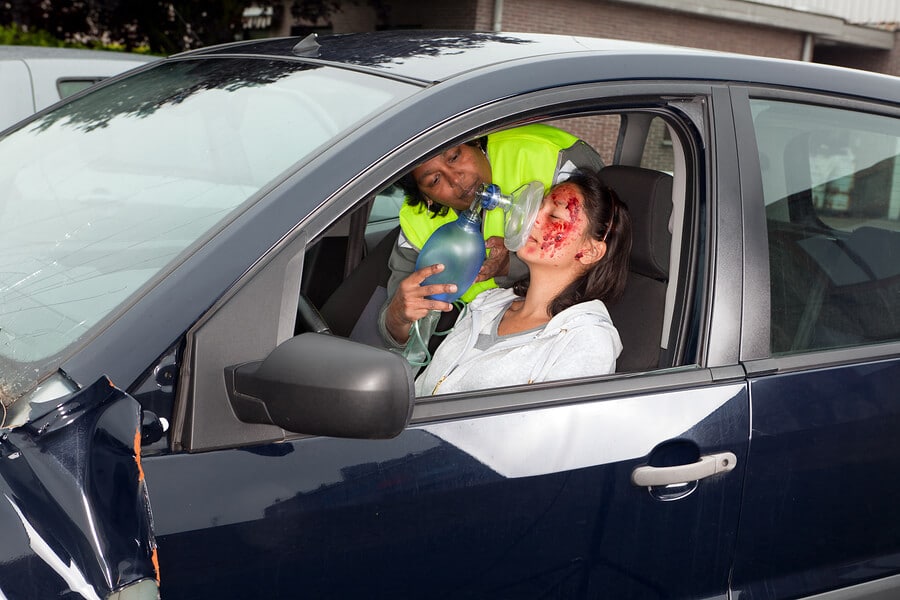
Woman with bodily injury during a car accident

In an ideal world, everyone would have an insurance policy. Unfortunately, in the real world, only 1 in 7 drivers are either underinsured or uninsured.

But how does that impact you and your family?

Let’s say you’re involved in a car accident and the other driver is found guilty. If the driver has insurance, your medical bills and damages will be paid, but if there’s no coverage, you’ll have to pay all the expenses yourself. Uninsured motorist bodily injury coverage helps you avoid this scenario.

In certain states, this type of coverage protects your family too, even if they’re involved in a car crash in someone else’s vehicle.

Also, depending on your liability limits, you can also use the money for extended care if the car crash left you with long-term health issues.

Read on to learn the benefits of having uninsured motorist bodily injury coverage, what it covers, how it works, and how you can find advantageous rates.

What uninsured motorist injury insurance covers

If you opt for this type of insurance, the people living in your house as well as your passengers will all be covered regardless of what happens after the accident. In some cases, the driver will flee the scene, but uninsured motorist bodily injury insurance will cover the medical expenses and other damages.

This type insurance protects you from uninsured drivers and drivers who choose to leave the scene of an accident.

On top of this, you can use this insurance even if you ride in someone else’s car, or if you ride a bike.

In most cases it covers:

  • Emergency care and extended care for health issues caused by the car crash
  • Funeral expenses
  • It may help you if you lose your job due to the accident
  • Pain and emotional distress due to permanent injuries

In some states, this type of insurance is mandatory. In Arizona, the mandatory coverage for bodily injuries is $15,000. However, medical bills are often bigger than the minimum amount of insurance required.

For example, if your medical bills reach climb beyond $70,000, the insurance will cover $15,000 and the rest of the bills will be paid by you.

A good rule of thumb is to choose an insurance that has the same value as your total assets.

Why should this be the case? In a situation where you endure serious injuries and you need emergency care that also happens to be extremely expensive, you may be at risk of losing your assets if your insurance doesn’t have the same value as your home, car, etc.

Shouldn’t the driver at-fault pay anyway?

In some cases, the driver who’s at fault leaves the scene, but even in a case where the driver does stay, you can still be left with hefty medical bills.

You can sue the driver at fault, but you have to keep in mind that people who are uninsured are usually the ones who are trying to save some extra money. The driver is typically financially unstable in cases like this, and even if you do try to go to court, the driver can declare bankruptcy.

Is a premium health insurance plan enough?

Many people believe that a good health insurance plan is enough to protect them from situations where they’re hit by an uninsured driver.

Sadly, your health insurance plan only covers your medical bills. It doesn’t help you in any way if you end up losing your job as a result of the health issues or if you need treatment for a prolonged period of time.

To make things even more complicated, you may not be allowed to use your health insurance first as a means of coverage in the case of a car crash. As a result, you’ll have to use your auto insurance first and then use your health care plan to cover medical bills.

Also, you have to keep in mind that if you have passengers in your car that don’t have a good healthcare plan, they’ll have to pay for the expenses out of the pocket, a scenario that can be avoided with uninsured motorist bodily injury coverage.

How you can find affordable rates for uninsured motorist bodily injury insurance?

You can try to negotiate with insurance companies on you own and look at a few insurance packages. But chances are, you won’t be given a discount.

The advantage that insurance agents have when shopping around for insurance packages is that they have both connections and the ability to negotiate rates because they can promise more clients to companies. As an individual, you can’t say the same.

If you want to get a free quote on how much this type of insurance would cost you, feel free to reach out to us.

Filed Under: Auto Insurance Tagged With: Bodily Injury, Uninsured Driver

Time Limit to File a Claim from a Car Accident

July 12, 2018 by Steve Gebhardt

Angry Millennial Couple Complaining

Most states give you up to two or three years to file a claim, but if you file even a few days after the statute of limitation has passed, your claim will be rejected. However, this doesn’t mean the case must be resolved within that time frame. You just need to file the claim in two years for bodily damages and three for property damages. Fortunately, there are ways in which you can extend the time frame as well. If you want to find out more about how to file a car accident insurance claim, when you can file it, and in what cases the time frame can be extended, read on.

Filing a late claim

Let’s assume you’ve been involved in a car accident and you have insurance but you had no idea who was responsible for the damages. Perhaps you were confused and there were no other witnesses.

If it takes 2-3 years for you to find out who was behind the personal or the property damages, and the timeframe in which you could file the claim has already passed, you are eligible to file a late claim. The only reason why the timeframe is about 2-3 years in normal situations is that after this time memories often fade and records might get lost, which makes the investigation hard to carry out.

Also, you have to keep in mind that you have to be at least 18 years old to file a claim. This means that if you were a minor when the car crush occurred, you can delay filing the papers as well. The rule of discovery is another way you can file a claim late in Arizona, for example. Let’s say you discover you sustained personal injuries that weren’t obvious right away. In this case, you can file the claim on the date you discovered you have health issues due to the accident, after consulting a doctor and getting a diagnosis.

Time limits with the insurance company

Arizona’s laws are not the only ones you need to comply with when filing a claim. Insurance companies have their own time limits as well. When you do pick an insurance company, it’s important to discuss these details and ask about what happens when you are involved in a car accident, what the minimum insurance requirements are, and so on. Each insurance company has its own time limits, and if you aren’t sure what those are, you should file a claim as soon as possible. In come cases, filing a claim from home is possible too. For example, at Gebhardt you can file a claim online.

Minimum requirements for insurance

Before you worry about the time limit for filing, you have to make sure that it meets the mandatory minimum requirements.

You can’t file a claim if you don’t respect the law, and in Arizona your insurance should cover the following:

  • $15,000 personal injuries liability for one person
  • $30,000 personal injuries liability for two or more individuals
  • $10,000 property damage liability
    In The Grand Canyon State, you have several options when it comes to collecting compensation after an accident occurs.

For example, you can:

  • Contact your insurance company and file a claim for personal or property damages
  • If you are the victim you can contact the driver who caused the damages and file car insurance claim on his/her insurance company
  • If you can’t get a compensation from your insurance company or the company of the driver who is at fault, you may be able to file a lawsuit against either the insurance company or the driver

What to do before filing a claim

Often, victims of car crashes find themselves in the situation of being offered money right away to avoid reaching out to their insurance company. This situation typically occurs in minor car crashes, and since most car crashes are minor, many drivers believe that waiting for compensation and getting in touch with insurance companies is a hassle. The problem is that sometimes the driver who caused the damages might twist the truth later, especially if they speak with the police and you don’t. Before you make any arrangements, you need to have a talk with the police and with your insurance agency. Otherwise, you risk being conned.

Another mistake many victims make is apologizing and admitting fault when only the police and the experts are the ones who should make this determination. Don’t allow yourself to be manipulated by other drivers, especially when you are in shock and confused due to the collision.

Car crashes happen more often than you may think. Over 2 million people are injured or left with a disability following an accident in the United States. As a consequence, you have to make sure you don’t have any car insurance problems that might prevent you from filing a claim on time and getting your compensation. Also, when picking an insurance company, make sure you ask questions about what it covers, the time limit for filing a claim, and what your rights are.

Filed Under: Auto Insurance Tagged With: Claims Process, Insurance Claim Process

5 Home Safety Tips You Need to Know

June 30, 2018 by Steve Gebhardt

Home Safety Tips

As an adult and as a parent, you know the basic steps of home safety, such as closing your windows at night, storing poisonous chemicals in a secure childproof location, and installing deadbolts on all outside doors. But when you think about home safety, there are many things that are easy to overlook. That’s why we offer these five home safety tips.

Keeping Your Home Safe

Whether you’re at home or away, you want to know that your belongings and your property are protected. Implement these ideas for extra protection.

  1. Garage Doors
    This may seem very basic, but you would be surprised how many homeowners forget to close their garage door. An open garage door is an open invitation to burglars. Even when you’re home, don’t leave it open since it provides an easy a view into your home and belongings.
  2. Avoiding Falls
    Injuries from falling are one of the most common household hazards. In fact, one out of five falls results in a broken bone or a head injury. Wet floors, slippery stairs, and scattered toys all create the potential for falls so keep these areas clean and clutter-free. If you are a homeowner and someone falls and injures themselves in your home, you may be financially liable for their medical or other costs. In these cases, one of the key issues becomes whether the homeowner has an insurance policy that will cover the claim.
  3. Stash Your Valuables
    A hidden and fireproof safe can help keep your valuables secure during an emergency, a robbery, or a home invasion. While you’ll want to store precious jewelry or cash in the safe, you should also use it to store important documents like the deed to your home, wills, and anything else you’d want to survive a natural disaster. Theft of any kind can be devastating for homeowners. Your home contains not only items with monetary value, but also items with emotional significance for you and your family.
  4. Fire Prevention
    Every year, there are more than 350,000 home fires resulting in over 2,700 deaths in the United States. The damage goes beyond the devastating loss of life and includes everything from mild smoke damage to total devastation.

Whether it’s a small kitchen fire or a widespread home fire that engulfs the entire home, you want to make sure that you have enough home fire insurance coverage to repair or replace destroyed property. But the best way to be prepared is to focus on prevention.

These tips can help prevent the loss from a fire.

  • Never leave a burning candle, iron, or similar electrical device unattended.
  • Stay in the kitchen while cooking and do not leave the room when the stove is being used.
  • Install smoke detectors and fire alarms on every floor and every room. Often fires start at night, when family members are asleep.
  • Test detectors every month and change the batteries twice a year. A working smoke alarm will cut the chances of burns, injuries, and even death.
  • Purchase a fire extinguisher to keep in your kitchen and near a fireplace. Most importantly, know how to use it.

Carbon Monoxide Monitors

Carbon monoxide is virtually impossible to detect by smell, sight, or sound, making it a difficult threat to notice. Even low exposure to carbon monoxide (CO) can cause headaches and dizziness, while high levels can lead to vomiting, impaired vision, and even death. According to the Journal of the American Medical Association, carbon monoxide poisoning is one of the leading cause of accidental poisoning deaths in the U.S. and kills 430 people each year. But it is totally preventable.

  • Install a carbon monoxide detectors throughout the home that alert you if CO reaches dangerous levels
  • Have a qualified professional check all fuel-burning appliances, furnaces, vents, and chimney systems at least once a year
  • Never keep your car running in the garage, even if the doors are open

Why You Need Home Insurance

Unfortunately, accidents and natural disasters happen all over Arizona. Homeowner’s and renter’s property insurance protect your home and personal property against damage or loss. It can also give you coverage if someone gets hurt while on your property. In addition, home insurance policies provide property coverage for the cost to replace your house and its contents in the event of a disaster.

If the destruction is severe, and you cannot stay in your home after a fire, storm, or other covered risks, your homeowner’s property insurance may help pay for temporary living costs, such as hotel bills.

A home is usually the biggest purchase of a person’s life. But regretfully, 59 percent of homeowners have been found to be underinsured. If there is a disaster or lawsuit, these individuals would be in dire straights.

Just as importantly, is to keep the policy current. Too often people buy their policy and never look at it again. They never talk to an insurance agent after the sale, despite the fact that they make changes and improvements to their home which affects the value.

Our specialized team of professionals at Gebhardt Insurance Group will take the time to carefully review your needs and assure that you purchase enough coverage and the proper policy to protect your home, its contents, and your peace of mind.

If You Rent…

Renter’s insurance offers coverage similar to homeowner’s insurance. However, if you are a renter, you should not, and cannot, assume your landlord carries insurance on your personal belongings. Contacting Gebhardt Insurance Group to evaluate your individual situation before your experience a traumatic event on your property is essential.

Experience Counts

At Gebhardt Insurance, we know that you have many options for insurance providers. For over 14 years we have been independent insurance specialists. Instead of selling our own insurance coverage, we shop the nation’s top carriers to find you the absolute lowest homeowner’s insurance rates with the best coverage.

But we don’t stop there.  At Gebhardt Insurance we regularly review your coverage and help you receive the best value for your insurance dollar, all while providing the best customer service in the business. Visit our website to see what our clients say about us.

Contact us now at 520-445-4929 to learn more or get a free quote online.

Filed Under: Home Insurance Tagged With: Carbon Monoxide Monitors, Home Safety Tips, Keeping Home Safe

« Previous Page
Next Page »

Recent Posts

  • Can Golf Carts Be Driven on the Road in Casa Grande? Complete 2025 Guide
  • Complete Insurance Checklist for Snowbirds & Winter Visitors in Casa Grande & Maricopa, Arizona
  • Golf Cart vs Side by Side Insurance in Casa Grande & Maricopa: Which Coverage Do You Really Need?
  • Why Casa Grande Residents Should Choose a Local Independent Agent: 5 Advantages You Can’t Get Online
  • Common Insurance Scams in Arizona: How to Protect Yourself and Your Coverage
logo-main-white

719 E Cottonwood Lane, Suite #1
Casa Grande, AZ 85122

44400 Honeycutt Rd, Suite #102H
Maricopa, AZ 85138

Facebook Twitter Feeds
5 star yelp

Insurance Types

Motorcycle Insurance
Motorhome Insurance
Mobile Home Insurance
Life Insurance
Medicare Insurance
Home Insurance
Commercial Insurance
Auto Insurance

Our Company

Careers
Contact Us
File a Claim

Recent Posts

Car Insurance for College Students: The Complete Guide To Affordable Coverage
Uninsured Motorist Coverage vs Collision Coverage: Which One Do I Need?
All About Uninsured and Underinsured Motorist Insurance
Why Is My Car Insurance Rate Increasing?

Copyright © 2024. By GEBHARDT INSURANCE GROUP | PRIVACY POLICY

Accessibility

Online Dictionary

    Readable Experience

    Content Scaling
    Default
    Text Magnifier
    Readable Font
    Dyslexia Friendly
    Highlight Titles
    Highlight Links
    Font Sizing
    Default
    Line Height
    Default
    Letter Spacing
    Default
    Left Aligned
    Center Aligned
    Right Aligned

    Visually Pleasing Experience

    Dark Contrast
    Light Contrast
    Monochrome
    High Contrast
    High Saturation
    Low Saturation
    Adjust Text Colors
    Adjust Title Colors
    Adjust Background Colors

    Easy Orientation

    Mute Sounds
    Hide Images
    Virtual Keyboard
    Reading Guide
    Stop Animations
    Reading Mask
    Highlight Hover
    Highlight Focus
    Big Black Cursor
    Big White Cursor
    Navigation Keys

    Casa Grande Insurance Agency Accessibility Statement

    Accessibility Statement

    • www.gebhardtinsurancegroup.com
    • January 31, 2026

    Compliance status

    We firmly believe that the internet should be available and accessible to anyone, and are committed to providing a website that is accessible to the widest possible audience, regardless of circumstance and ability.

    To fulfill this, we aim to adhere as strictly as possible to the World Wide Web Consortium’s (W3C) Web Content Accessibility Guidelines 2.1 (WCAG 2.1) at the AA level. These guidelines explain how to make web content accessible to people with a wide array of disabilities. Complying with those guidelines helps us ensure that the website is accessible to all people: blind people, people with motor impairments, visual impairment, cognitive disabilities, and more.

    This website utilizes various technologies that are meant to make it as accessible as possible at all times. We utilize an accessibility interface that allows persons with specific disabilities to adjust the website’s UI (user interface) and design it to their personal needs.

    Additionally, the website utilizes an AI-based application that runs in the background and optimizes its accessibility level constantly. This application remediates the website’s HTML, adapts Its functionality and behavior for screen-readers used by the blind users, and for keyboard functions used by individuals with motor impairments.

    If you’ve found a malfunction or have ideas for improvement, we’ll be happy to hear from you. You can reach out to the website’s operators by using the following email

    Screen-reader and keyboard navigation

    Our website implements the ARIA attributes (Accessible Rich Internet Applications) technique, alongside various different behavioral changes, to ensure blind users visiting with screen-readers are able to read, comprehend, and enjoy the website’s functions. As soon as a user with a screen-reader enters your site, they immediately receive a prompt to enter the Screen-Reader Profile so they can browse and operate your site effectively. Here’s how our website covers some of the most important screen-reader requirements, alongside console screenshots of code examples:

    1. Screen-reader optimization: we run a background process that learns the website’s components from top to bottom, to ensure ongoing compliance even when updating the website. In this process, we provide screen-readers with meaningful data using the ARIA set of attributes. For example, we provide accurate form labels; descriptions for actionable icons (social media icons, search icons, cart icons, etc.); validation guidance for form inputs; element roles such as buttons, menus, modal dialogues (popups), and others. Additionally, the background process scans all of the website’s images and provides an accurate and meaningful image-object-recognition-based description as an ALT (alternate text) tag for images that are not described. It will also extract texts that are embedded within the image, using an OCR (optical character recognition) technology. To turn on screen-reader adjustments at any time, users need only to press the Alt+1 keyboard combination. Screen-reader users also get automatic announcements to turn the Screen-reader mode on as soon as they enter the website.

      These adjustments are compatible with all popular screen readers, including JAWS and NVDA.

    2. Keyboard navigation optimization: The background process also adjusts the website’s HTML, and adds various behaviors using JavaScript code to make the website operable by the keyboard. This includes the ability to navigate the website using the Tab and Shift+Tab keys, operate dropdowns with the arrow keys, close them with Esc, trigger buttons and links using the Enter key, navigate between radio and checkbox elements using the arrow keys, and fill them in with the Spacebar or Enter key.Additionally, keyboard users will find quick-navigation and content-skip menus, available at any time by clicking Alt+1, or as the first elements of the site while navigating with the keyboard. The background process also handles triggered popups by moving the keyboard focus towards them as soon as they appear, and not allow the focus drift outside of it.

      Users can also use shortcuts such as “M” (menus), “H” (headings), “F” (forms), “B” (buttons), and “G” (graphics) to jump to specific elements.

    Disability profiles supported in our website

    • Epilepsy Safe Mode: this profile enables people with epilepsy to use the website safely by eliminating the risk of seizures that result from flashing or blinking animations and risky color combinations.
    • Visually Impaired Mode: this mode adjusts the website for the convenience of users with visual impairments such as Degrading Eyesight, Tunnel Vision, Cataract, Glaucoma, and others.
    • Cognitive Disability Mode: this mode provides different assistive options to help users with cognitive impairments such as Dyslexia, Autism, CVA, and others, to focus on the essential elements of the website more easily.
    • ADHD Friendly Mode: this mode helps users with ADHD and Neurodevelopmental disorders to read, browse, and focus on the main website elements more easily while significantly reducing distractions.
    • Blindness Mode: this mode configures the website to be compatible with screen-readers such as JAWS, NVDA, VoiceOver, and TalkBack. A screen-reader is software for blind users that is installed on a computer and smartphone, and websites must be compatible with it.
    • Keyboard Navigation Profile (Motor-Impaired): this profile enables motor-impaired persons to operate the website using the keyboard Tab, Shift+Tab, and the Enter keys. Users can also use shortcuts such as “M” (menus), “H” (headings), “F” (forms), “B” (buttons), and “G” (graphics) to jump to specific elements.

    Additional UI, design, and readability adjustments

    1. Font adjustments – users, can increase and decrease its size, change its family (type), adjust the spacing, alignment, line height, and more.
    2. Color adjustments – users can select various color contrast profiles such as light, dark, inverted, and monochrome. Additionally, users can swap color schemes of titles, texts, and backgrounds, with over 7 different coloring options.
    3. Animations – epileptic users can stop all running animations with the click of a button. Animations controlled by the interface include videos, GIFs, and CSS flashing transitions.
    4. Content highlighting – users can choose to emphasize important elements such as links and titles. They can also choose to highlight focused or hovered elements only.
    5. Audio muting – users with hearing devices may experience headaches or other issues due to automatic audio playing. This option lets users mute the entire website instantly.
    6. Cognitive disorders – we utilize a search engine that is linked to Wikipedia and Wiktionary, allowing people with cognitive disorders to decipher meanings of phrases, initials, slang, and others.
    7. Additional functions – we provide users the option to change cursor color and size, use a printing mode, enable a virtual keyboard, and many other functions.

    Browser and assistive technology compatibility

    We aim to support the widest array of browsers and assistive technologies as possible, so our users can choose the best fitting tools for them, with as few limitations as possible. Therefore, we have worked very hard to be able to support all major systems that comprise over 95% of the user market share including Google Chrome, Mozilla Firefox, Apple Safari, Opera and Microsoft Edge, JAWS and NVDA (screen readers), both for Windows and for MAC users.

    Notes, comments, and feedback

    Despite our very best efforts to allow anybody to adjust the website to their needs, there may still be pages or sections that are not fully accessible, are in the process of becoming accessible, or are lacking an adequate technological solution to make them accessible. Still, we are continually improving our accessibility, adding, updating and improving its options and features, and developing and adopting new technologies. All this is meant to reach the optimal level of accessibility, following technological advancements. For any assistance, please reach out to