File a Claim

Make a Payment

Facebook Twitter Feeds
logo-main-white
  • Home
  • About Us
    • Our Insurance Carriers
    • Careers
  • Insurance Types
    • Auto Insurance
    • Bonds
    • Commercial Insurance
    • Churches Insurance
    • Home Insurance
    • Life Insurance
    • Medicare Insurance
    • Mexico Insurance
    • Mobile Home Insurance
    • Motorcycle Insurance
    • Non-profit Insurance
    • Renters Insurance
    • Insurance for Snowbirds Arizona
    • Golf Cart Insurance
  • Locations
    • Casa Grande
    • Maricopa
  • Blog
  • Contact Us
  • Get Free Quote
Text or Call Us Today!
520-836-3244

Author: Steve G

Insurance blog, articles, and news written by Stephen Gebhardt, founder and CEO of Gebhardt Insurance Group an Insurance agency in Casa Grande, Arizona.

Do I Need Monsoon Insurance Coverage?

August 12, 2022 by Steve Gebhardt

monsoon insurance

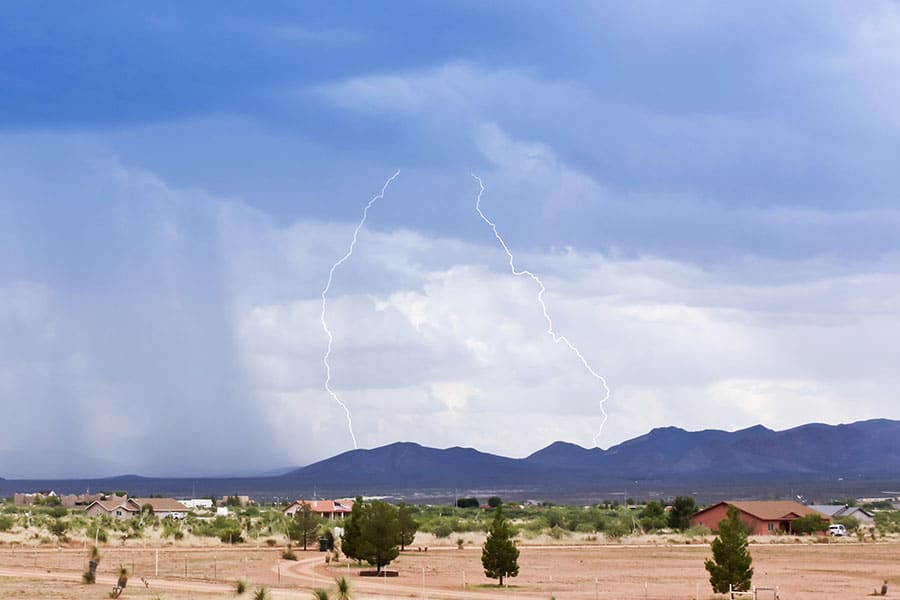
When you think of Arizona, the first words that come to mind are hot, dry, and sunny. But for those of us who live in Arizona, we know that the summer months also bring intense heavy rains. When these rains come, they can quickly become disastrous monsoons. It is almost completely impossible to predict where flooding will occur. Therefore, it is vital to ensure your home is covered should a natural disaster strike.

Unfortunately, many homeowners discover way too late that standard home insurance does not typically cover flood damage. Don’t let that be the case with your home. When dealing with the results of flood damage, the last thing you need is to be arguing with insurance agents or paying for replacements out of pocket. Coverage is essential, even if you aren’t in an area that has flooded in the past.

Continue reading to learn about what questions to ask when purchasing flood insurance.

What is flood insurance?

Flood insurance is financial coverage for losses due to water damage caused by flooding, whether by natural causes or large-scale infrastructure backups. A standard homeowners policy may cover certain items that are water damaged by plumbing issues or water leakage but will not cover flood damage. This is because homes in a flood zone are just too much of an expense risk for standard coverage.

Is my home in a flood zone?

Flood zones are determined by the Federal Emergency Management Agency and the National Flood Insurance Program. These entities keep an updated determination of whether an area has a high likelihood of flood risk and offer insurance rates at percentages based on that likelihood. If you are purchasing a home or land to build a house, your land will already have a determination. You can find this determination on a FEMA Flood Service Map. If you disagree with your results, you can also have a flood zone audit to confirm or change your status. It is a good idea to get a zone audit if one has not been conducted recently or if your area has had significant landscaping changes.

If your home falls under a certain flood zone risk, your mortgage company will require that you carry flood insurance.

What is covered under flood insurance?

Flood insurance covers an array of things related to the building itself and items inside your home. It is essential to note, though, that it does not cover every item. Therefore it is imperative that you read through your policy and take special notice of the items that are covered and the items that are not covered. This way, if you want to insure a specific uncovered item separately, you can do so. Items outside the home, such as pools and fences, are not typically covered. Additionally, items in basements, personal property appraised at high dollar amounts, and vehicles are not covered. In many cases, your car is insured under an auto policy, and you can purchase a specific personal property policy on top of your standard homeowner’s policy to cover these items.

How much will flood insurance cost me?

The cost of carrying flood insurance for your specific home is entirely determined based on its location. For instance, those whose homes have flooded in the past or are in special flood zone hazard areas will pay the highest cost for flood insurance. The average cost for flood insurance in Arizona is $778 a year or $65 a month. That number may be higher or lower based on your risk. For example, those who do not live near a flood zone but want peace of mind may pay as low as $200 a year. In any case, carrying flood insurance is a small price to pay, especially if you do find yourself needing to file a claim.

How do I choose an insurance company?

When it comes to flood insurance, all FEMA-backed policies have the same coverage; therefore, there is no need to shop around. But if you have additional items you would like to cover, or if you simply need help understanding your insurance policy, our team at Gebhardt is here for you. We are fully equipped to listen to your specific needs and give you an analysis of the best plans available to you for your auto, personal property, homeowners insurance, and more.

Don’t let yourself become part of the percentage of homeowners that get caught in monsoon season without the proper coverage, call us today.
Filed Under: Insurance

Does Full Coverage Car Insurance Cover Theft? Here’s What You Need To Know

July 26, 2022 by Steve Gebhardt

does full coverage car insurance cover theft

Experiencing the theft of your personal property does so much more than just cause financial stress.

It can leave victims feeling isolated and afraid, no matter what the cash value of your stolen items looks like.

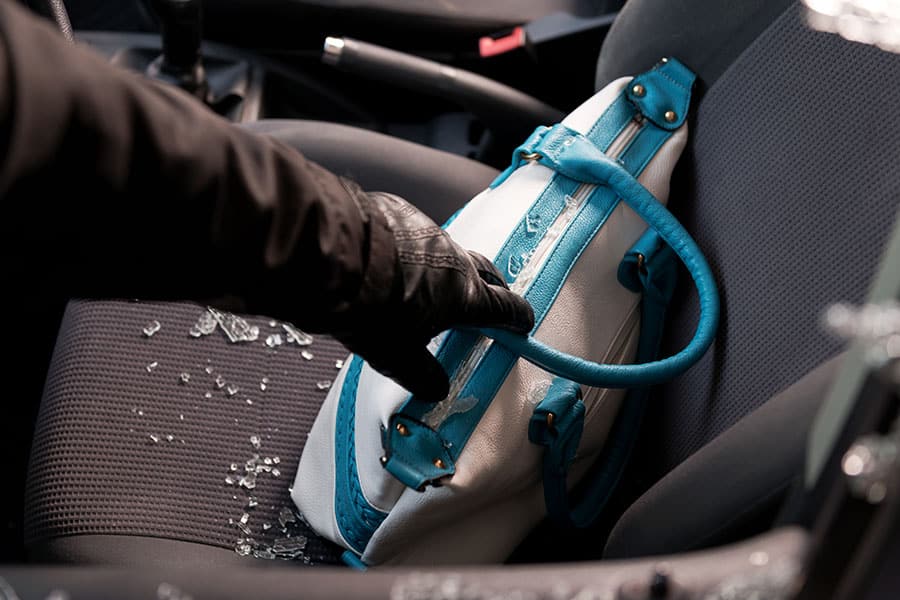
If your vehicle is stolen or personal items are stolen from your car, you deserve immediate support that can help you cover the cost of your expenses and begin to move past this harrowing event.

But without comprehensive coverage, you can find yourself left to pick up the pieces on your own.

So, how can you guarantee that you and your personal belongings are covered, even amid an unexpected theft?

Here’s what you need to know…

Does car insurance cover personal belongings?

The short answer is: Yes and no.

Unfortunately, the term “full coverage” can be extremely misleading when it comes to choosing a car insurance policy.

In many cases, insurance companies use this term to describe products and services that give you maximum coverage against car accidents but give you no protection against the loss of personal property.

Of course, that doesn’t mean you have to settle for limited coverage. There are several insurance solutions that will cover any items stolen from your vehicle to give you a genuinely full coverage package.

Auto insurance coverage that does NOT cover theft

Liability Insurance

While liability insurance is required in most states, this type of coverage provides only basic protection against costs associated with an accident, especially if you are found to be at fault.

That means that liability insurance will not be able to help you if your vehicle is broken into and your property has been stolen.

Collision Insurance

Like liability insurance, collision insurance helps you cover additional expenses stemming from an accident and is usually recommended to have alongside your mandatory coverage. This insurance can cover not only vehicle collisions, but also damage to your vehicle if you strike an object like a tree or fence.

However, collision coverage pertains only to damage done to your vehicle and does not cover any personal items in your car.

Types of insurance coverage that DOES cover theft

Comprehensive Coverage

Comprehensive coverage is often nicknamed “other than collision coverage,” because it will cover the cost of damage to your vehicle and personal property if you’re involved in a non-accident-related theft.

And despite not being required in most states, comprehensive coverage can be extremely beneficial in protecting you and your family from unexpected expenses when your belongings have been stolen.

Most comprehensive insurance policies will cover…

  • Theft of personal property in your vehicle
  • Vandalism to your car including graffiti, keying, and slashed tires
  • Fire by both arson and natural causes
  • Damage from severe weather, animals, or civil disturbances beyond your control
  • Replacing a vehicle that’s been stolen

When used in conjunction with liability and collision coverage, comprehensive coverage gives you the total support for your costs when it’s time to file a claim.

Homeowners Insurance

Auto insurance isn’t the only form of insurance that can help you recover after having your personal belongings stolen.

Many homeowners insurance policies provide coverage for personal property outside the home, including your vehicle.

Some of the items covered by homeowners insurance include…

  • Cash value for items stolen during a break-in
  • Repairs or replacement of damaged items
  • Damage done to your vehicle due to theft

Most importantly, many insurance companies offer you the chance to bundle your home and auto insurance coverage, so you get the most protection at home, on the road, and everywhere in between.

Renters Insurance

Even if you don’t own your property, you can still be reimbursed for items stolen from your vehicle while it’s parked at your home.

Renters insurance is a type of coverage that gives tenants the benefits of homeowners insurance at a reasonable rate.

Additionally, renters insurance can prevent you from being held liable for repairs to your rental property if it’s been damaged by theft, natural disasters, or other unexpected events.

What should you do if you experience a theft?

When it comes to getting the costs of your theft covered, it’s crucial to take quick action and file a claim.

You can start this process by following these simple steps…

Call The Police

First, having a police record of any theft is an essential resource for filing an insurance claim.

When you call the police, you’ll be able to provide a clear account of what happened, as well as a list of the items stolen or damaged, so that you can provide your insurance company with the most accurate information possible.

Contact Your Insurance

Next, you’ll need to notify your insurance company that a theft has occurred as quickly as possible.

Your agent will be able to walk you through the exact steps of creating insurance claims and can offer you insight into how much you can expect to be reimbursed for your loss.

The sooner you file a claim, the sooner you can recover.

Provide Additional Details

Finally, insurance claims can be a meticulous process.

This means that you may be required to produce more documentation relating to the items stolen and the events leading up to the theft. We recommend keeping a thorough record of any high-value items you keep in your car so that you can get the maximum payout you deserve.

Get the most out of your insurance coverage today

No one wants to think about the possibility of dealing with theft.

But with the right insurance coverage, you can find the support you need to deal with an unexpected incident quickly and effectively.

Our team works hand-in-hand with you to generate the best home, renters, and auto insurance policies from over 40 leading carriers, giving you coverage you can feel confident about.

Connect with our team to find the best theft protection policy for your budget today.

Filed Under: Auto Insurance

Car Insurance for College Students: The Complete Guide To Affordable Coverage

July 19, 2022 by Steve Gebhardt

Preparing for college is one of the most exciting times in a young person’s life, and comes with a unique set of challenges, expenses, and decisions that shape the outcome of your academic goals.

One aspect of college life that many parents and students overlook is the role that quality car insurance can play in your future, regardless of whether you choose to live on campus or with family and friends.

With appropriate car insurance for college students, you can help keep yourself and your vehicle safe from an unexpected accident, and protect your financial interests from the burden of a low-coverage policy.

But before you begin comparing car insurance rates, there are a few steps you should follow to ensure that you get the best coverage and save money at the same time.

How to get car insurance for college students in 4 simple steps…

Step 1: Check to see if you qualify to stay on the parent’s car insurance policy

College might be the beginning of a young driver’s transition from adolescence to adulthood, but that doesn’t mean they’ll need their own car insurance policy just yet.

Just like many health insurance plans, car insurance companies offer programs that allow your student to remain on the parent car insurance policy while they’re attending school.

In most cases, this will be determined by who owns the title to whichever vehicle you plan on driving while at school.

Parent Owned Title

If the parent’s name is on the title of the car, you’ll likely be able to keep your existing policy. You can work with your insurance agent to make sure that your student is listed as an approved driver of your vehicle so that they’ll be adequately covered in the event of an accident.

Jointly Owned Title

If both the parent and student’s names are on the title of the car, there’s still a good chance you’ll be able to use your current policy. Many insurance companies will use the parents driving records to determine your rate, increasing your chance of getting better coverage without overpaying.

Student Owned Title

If the student’s name is the only one on the title of the car, they will most likely have to purchase their own insurance policy. This is why it’s important to weigh your coverage options before deciding whose name to put on the car, as it can seriously affect your insurance rates moving forward.

Ultimately, staying on the parent’s insurance policy is the easiest way to guarantee that you get the best rate possible for your student.

However, if this isn’t an option for your family, there are a few ways you can lower your car insurance rates without compromising on safety.

Step 2: Pick the right coverage for your campus needs

Whether you purchase a separate insurance policy for your student or you’re able to keep them on your existing program, you’ll want to make sure that the coverage you have is appropriate for a college lifestyle.

And even though many college campuses are designed to allow students to easily walk from class to class, there’s still a risk involved when commuting to and from school.

That’s why there are 4 main types of car insurance products that you should consider to maximize the safety of your college-aged student.

Liability Insurance

What it is: Typically considered mandatory in most states, liability insurance is a basic form of coverage designed to help you with both medical and legal costs stemming from an accident in which you are found to be at fault.

Why you need it: Besides being required to legally operate a vehicle, liability insurance was created to protect you from unexpected costs from an accident.

Liability insurance includes both bodily injury and property damage coverage, which can be used to cover medical expenses for the injured party and to help with repair costs for a damaged vehicle.

Collision Insurance

What it is: While not always required by the state, collision insurance is a type of coverage created to cover the costs of repairing or replacing your vehicle, whether you’re involved in an accident with another car or an object like a fence or pole.

Why you need it: Unlike liability insurance, collision insurance takes matters one step further by covering any repair costs associated with your car, no matter who is at fault for an accident.

Most importantly, collision coverage makes it easy to get the help you need for minor accidents, such as hitting a curb. This makes it an ideal component for drivers on busy college campuses.

Comprehensive Coverage

What it is: As the name suggests, comprehensive coverage gives you more protection than mandatory insurance options. It can help cover repair costs to your vehicle if it’s been damaged in a storm, broken into, and everything in between.

Why you need it: You’ve probably heard the term “full coverage” when it comes to car insurance rates, but the reality is that most policies don’t protect you from life events like weather damage or theft.

Comprehensive coverage gives you an added layer of protection against these circumstances, so you can be prepared for whatever life throws at you.

Uninsured or Underinsured Motorist Coverage

What it is: While most insurance products are made to reduce your own liability in an accident, uninsured motorist coverage serves to fill the coverage gaps you might face if another driver doesn’t have adequate insurance to cover your costs.

Why you need it: No matter how safe of a driver your student is, some things are out of our control.

With uninsured motorist coverage, you can guarantee that your costs will be covered, even if you’re dealing with a hit-and-run accident, which is common on crowded college campuses.

Step 3: Compare the best car insurance quotes

While the average cost of car insurance can vary greatly depending on your demographic and history, there are a few factors that all insurance providers will use to create a car insurance quote for your policy.

Age

Statistically speaking, young drivers are more expensive to insure than older generations and are seen as more reckless in their driving habits.

That’s why it’s important to try and obtain a policy that can be shared by the parent and student, so you can save money on your rate while still having high-quality coverage.

Vehicle Make

If you’re looking to purchase a car for a young driver, you should consider opting for a newer vehicle with updated safety features.

These cars are usually less expensive to insure since they are often equipt to help drivers avoid collisions. Other factors like color, body style, and racing capabilities can also play a role in the price of your policy.

Location

It goes without saying that heavily congested areas, like those surrounding college campuses, come with a higher risk of being involved in an accident.

When you’re ready to look at college housing options, choosing to live in a less crowded area or with friends and family members off campus can help lower your rate while you commute for class.

Driving Records

Finally, having a clean driving record is essential to getting the best rate possible on your insurance policy.

You should encourage safe driving habits for young drivers, as even minor traffic infractions can quickly accumulate points that negatively impact your car insurance rates.

With these considerations in mind, you can have a clear idea of what you can expect to pay for your college student’s insurance policy.

Step 4: Save money with discounts

Of course, car insurance quotes aren’t the final deciding factor when it comes to getting great coverage.

Most insurance providers offer discount programs that you can utilize to save money on your policy, before, during, and after college.

The most common discounts for full-time students include…

“100 Miles From Home” Discounts

If your student commutes less than 100 miles to attend school, you may be able to save money on a “close to home” discount.

These are used to encourage young drivers to spend less time on the road, decreasing their likelihood of being involved in an accident.

Good Grade Discounts

Getting a good education should be every student’s number one priority.

That’s why many insurance companies encourage young drivers with discounts designed to reward them for their hard work, one semester at a time.

Safe Driver Discounts

While your driving record is often used to lock in your car insurance rate, the benefits of safe driving don’t end there.

Most insurance providers reward drivers who maintain a clean driving record, whether they’re enrolled in school or not.

Anti-Theft Discounts

Car accidents aren’t the only threat to your vehicle on a college campus.

By investing in an anti-theft device that prevents car-jacking or break-ins, you can potentially lower your rate and protect your property against malicious attacks.

Start your journey to better coverage today

We understand that getting ready for college can be an overwhelming experience for both parents and students alike.

That’s why our dedicated team of licensed insurance agents is here to take the stress out of the car insurance shopping process by delivering industry-leading policy options from nearly 40 carriers, so you get the best coverage for every budget.

Connect with our customer service staff to begin reviewing car insurance quotes today.

Filed Under: Auto Insurance

Uninsured Motorist Coverage vs Collision Coverage: Which One Do I Need?

July 12, 2022 by Steve Gebhardt

Making insurance decisions isn’t always easy. Many drivers don’t know about uninsured motorist coverage until it is too late. Considering there are 6 million car accidents in the U.S. each year with 125,000 in Arizona alone. In Arizona alone, as of 2019 11.8% of the drivers are uninsured. Some recent reports put it at closer to 20%. This statistic continues to increase, which is alarming and a cause for concern.

What is Uninsured Motorist Insurance?

What happens if a driver hits your vehicle but has either no insurance or insufficient insurance to cover your costs? It depends on whether you have uninsured motorist coverage (UM) or underinsured motorist coverage (UIM), both of which will provide you with financial protection. Many states require UM coverage, but it is optional in Arizona, New Mexico, California, Texas, Utah, and various other states.

What is Auto Collision Insurance?

If you have collision coverage on your vehicle, property damage to your vehicle caused by a collision could be covered, regardless of who is at fault. Even if you are the person responsible for collision damage in a single-vehicle accident, your insurance claim will be covered. The collision coverage deductible maybe $250, $500, or more. Usually, collision coverage does not cover punitive damages.

What is Uninsured Motorist Bodily Injury (UMBI) Coverage?

Unfortunately, bodily injury is a possibility anytime a vehicle collision occurs. If you have uninsured motorist bodily injury coverage, there may be coverage for any passengers in your vehicle who were injured in a collision. However, you will usually be compensated for certain expenses, such as the following:

  • Medical costs
  • Funeral expenses
  • Pain and suffering
  • Loss of income

You could be responsible to pay your own medical costs if you don’t have UMBI coverage. However, it’s possible you could file a claim for reimbursement. Talk to your Arizona auto insurance specialist to learn more.

What Does Uninsured Motorist Property Damage (UMPD) Cover?

If your vehicle or property becomes damaged and an uninsured driver is at fault, uninsured motorist property damage (UMPD) insurance coverage will pay for the damage done. Some states also pay if you have UMPD insurance and a crash is caused by an underinsured driver. In most states, uninsured motorist property damage coverage also pays for costs incurred if damage is caused by a hit-and-run driver. A few states only pay in this circumstance if the hit-and-run driver is identified. These laws and policies change all of the time. Want to know what Arizona does? Talk to one of the team at Gebhardt Insurance today.

What is Underinsured Motorist Coverage?

If you are in a collision and the medical bills you end up paying for injuries you suffer cost more than the damage an underinsured motorist’s insurance pays, underinsured motorist coverage can fill the gap up to the limit amount. Most commonly, insurance companies will not allow you to carry more UM/UIM coverage than your own liability limits. To increase UM/UIM coverage, you must also increase your liability limits.

Most insurance experts recommend carrying at least 100/300/100 in liability coverage; the same amount is recommended for UM/UIM coverage. This will provide protection if you hit a vehicle with four people inside and they are all injured, if you are injured and in the hospital for several days, and various other common scenarios.

What are the Benefits of Collision Coverage?

A good way to realize the benefits of collision coverage is by understanding how limited your protection is without it. If you have uninsured motorist property damage (UMPD) insurance coverage but not collision coverage, the only collision protection you would have would be

  • Coverage up to a certain limit if the accident is caused by an uninsured driver, though the amount would be substantially lower than if you also had collision coverage; and
  • If you are in a collision with a party who is confirmed to be at fault and is covered by insurance or otherwise pays for your damages.

Is Collision or Uninsured Motorist Insurance Better?

If you were going to have one or the other, as opposed to both, it is better to opt for collision insurance. Collision insurance will protect you in more collision scenarios than uninsured motorist coverage. For instance, regardless who is at fault in a crash, collision insurance coverage can be used to repair or replace your vehicle. Uninsured motorist insurance is only applicable in cases when an uninsured driver is at fault.

Our expert team of insurance specialists can help guide you in this complex and ever-changing environment. We will look at the options, your budgets and present to you the best offers from 40 or more carriers. We want you to be safe, protected and confident that if you were in an accident, everything you need would be taken care of.

Filed Under: Auto Insurance

All About Uninsured and Underinsured Motorist Insurance

June 9, 2022 by Steve Gebhardt

underinsured motorist insurance

It can be scary thinking about a potential car crash, especially if you don’t have enough to cover the damages. But it’s even worse when the other person causes the accident and can’t afford your vehicle and injuries.

How does your family recover from the crash, tend to its wounds, and fix a totaled car?

Most states require uninsured and underinsured motorist coverage to give your family peace of mind during at fault crashes. Instead of paying these expenses yourself, a portion of your car insurance covers the excess.

Read more about how auto insurance carriers cover your family with uninsured and underinsured motorist insurance.

What is Uninsured and Underinsured Coverage?

While states may require them as a part of minimum car insurance protection, both differ from each other.

They’ll pay for unexpected accident expenses the other driver caused, but the coverage types apply depending on how much insurance the at fault driver has.

Again, these protections exist outside of the general collision coverage and liability coverage where you could have caused the crash.

Uninsured Motorist Coverage

You can protect your kids, vehicle, property, and more when the opposing party doesn’t have any car insurance. The carrier covers these bills up to the amount of coverage on your policy.

Underinsured Motorist Coverage

Underinsured motorist coverage is a similar protection that helps pay for car accident expenses you didn’t cause.

The other driver does have car insurance but not enough bodily injury or property liability protection to pay for your losses. This rings true in major car crashes where an ambulance sends you straight to the ER.

How Does Uninsured and Underinsured Coverage Work?

You’ll receive payment for economic and non-economic damages in a car crash from uninsured and underinsured coverage. However, each protection works in driving situations based on whether the other driver has insurance and how much they have.

Uninsured Scenario

For example, a reckless driver might shoot through a red light and slam into your vehicle. It’s only after ripping off the door that you come to find out they have no car policy.

As a result, you’ll receive $50,000 for injuries and repairs if the underinsured motorist coverage limits are high enough.

Underinsured Scenario

Breaking your neck in an accident with an 18-wheeler, they might only have Arizona’s minimum car insurance limits and not have enough for your surgery and ambulance ride.

How underinsured motorist coverage works in this case is paying the difference. If they only had $25,000 in bodily injury liability and the bill was $75,000, your policy would give $50,000 if that is your protection amount.

Does the State of Arizona Require Uninsured and Underinsured Coverage?

Many states force drivers to carry underinsured and uninsured motorist insurance as a part of minimum car coverage. They ensure you can afford to get hit by an uninsured driver and that the at fault party compensates you for pain and suffering.

In Arizona, this is not the case. You can get away without purchasing either coverage and have a cheaper payment each month.

The trade-off is not having protection when an uninsured or underinsured driver crashes into you. 1 in 8 drivers on the road are uninsured, so there’s a good shot you could deal with this challenging predicament.

How Stacking Works

You might have heard of some families stacking car insurance if they had multiple cars on the same policies, whether they were teenagers or collector cars.

They do it as a cheaper way to afford underinsured and uninsured coverage and double the protection amount.

We can tell you that it’s not possible to pull this off in Arizona, and carriers prevent you from doing this. The great news is you can still get plenty of protection for an affordable rate if you work with an experienced agent or broker.

How Much Does Uninsured and Underinsured Coverage Cost?

Many drivers we work with want to know how much uninsured motorist coverage costs and how much they’ll pay for underinsured protection.

On average, you’ll pay an extra $33 to $76 per year for $25,000 to $50,000 in protection amounts. And then most companies ask for $86 to $134 for $100,000 to $300,000 protection amounts.

The price is worth it each year since a single crash costs thousands, even for minor injuries and cosmetic damages. You’ll save more in the long run by paying a small portion of the car policy each month.

How to File for Uninsured and Underinsured Coverage

Car insurance carriers make it easier than ever to file an accident with uninsured and underinsured coverage.

Just like making a claim for motorist property damage coverage or personal injuries, you’ll give the insurance company a call. Let them know you got in a wreck that the other driver caused and provide a copy of the police report if it’s available.

Your injuries and vehicle damage may progress over the next several months, so the compensation process may take a while. But the insurance adjuster will send a proposed amount and cover what you deserve.

We recommend working with an auto accident attorney in major car crashes. The total settlement can be hundreds of thousands of dollars and it’s best for a trained lawyer to fight for your highest settlement.

Get Covered When It’s Not Your Fault

At-fault accidents caused by the other driver are not something you can control. It’s unfair to suffer life-threatening injuries and vehicle damage from someone else’s recklessness.

And it’s even more of an insult when they can’t pay for their wrongs.

Our team specializes in finding you the cheapest underinsured and uninsured motorist coverage in Arizona.

We compare over 40 car policies for other coverage types like property liability insurance, bodily injury insurance, and collision insurance. It’s our job to find you the cheapest policy all-around with the most protection.

To speak with an experienced broker and hear a few numbers, call our friendly team today. You can reach us at (520)-836-3244, and we’ll reach back as soon as possible.

Filed Under: Auto Insurance

Why Is My Car Insurance Rate Increasing?

May 19, 2022 by Steve Gebhardt

car insurance rate increase

It’s frustrating to get your monthly auto insurance bill in the mailbox and see it increase year by year. In most cases, you may never have had an accident that was your fault or even filed a claim at all.

While inflation and current trends have an effect on car insurance rates, you may still be experiencing incredible uncertainty during peacetime.

Fighting car insurance rates can feel daunting when the variables for change seem out of your control.

Our team believes understanding what causes car rate increases will help you understand how to move forward. Listen as we explain why your car rate is increasing and what to do about it.

Reasons for a Car Rate Increase

Sadly, auto insurance companies change their rates according to factors you can’t often control.

The car rate can be a reasonable amount one day and shoot up the next simply from being the victim of an accident. Or just by going through everyday life.

It’s crucial to be aware of these factors that agents take into consideration. That way, you can choose to fight back and get a lower auto insurance rate.

Moving violations and speeding tickets

You would think that car insurance companies only increase your monthly bill if you got into an accident. But that pointless speeding ticket you got running late to work also plays a factor in the premium.

Carriers track your motor vehicle report and determine you as a greater risk the more violations you have. Thankfully, they don’t count pesky parking tickets, but you should try your best to keep a clean record.

Both at-fault and not-at-fault accidents

It makes sense that a car insurance company would raise your rate for repeated accidents. But what if the accident wasn’t your fault and the other guy didn’t slam his brakes on time?

The insurance company will still raise your rate even if you were the victim of a tragic accident. They predict with statistical data that people caught in 1 no-fault car crash are likely to get into another, making you a liability.

Age

Watch out for an increase in insurance costs if you’re a teenage driver or over the age of 60. You’re considered a higher risk, even if you’ve had proper driving instruction or been driving your entire life.

Insurance companies paint a broad brush and assume that all teenagers are reckless drivers and that senior drivers have lost the capacity to operate a vehicle.

Comprehensive claims

Submitting a comprehensive claim adds fuel to the fire, depending on where you live. Areas with higher rates of theft, vandalism, natural disasters, etc. raise your car insurance rate as a result.

You can’t control when the business next door gets robbed and your vehicle gets caught in the crossfire. Property damage and repair costs are a part of having comprehensive vehicle protection.

But the car insurance company will still ding you in rising car insurance premiums for someone else’s reckless actions in your state.

Auto claims in your area

Despite a clean driving record with no accidents and claims, you can still suffer from an expensive rate. Auto carriers can determine your area has patterns of vehicle accidents and deem the area as high risk.

Sadly, your family will pay for someone else texting while driving or someone else flying through bumper-to-bumper traffic while putting makeup on.

Moving

Similar to claims in your area, the insurance company drives up the monthly premium if you move somewhere else with a high risk of accidents and comprehensive claims.

This is different from obtaining a new policy from moving to a different state. If you’re in-state and changing addresses, be aware that your carrier knows about it. They may penalize you for it.

Insurance score changes

Correlation data show that most people with poorer credit scores have a higher chance of submitting a claim. That means you’ll take a hit based on financial data that isn’t concretely tied to insuring your car.

Many states ban companies from adjusting your rate due to credit scores. But these carriers still consider the number by creating your insurance score based on it.

Gaps in insurance coverage

Difficult life circumstances may create a lapse in insurance. However, you’ll still have to deal with the increased rate, even if the reason was legitimate.

How to Keep Auto Insurance Premiums Lower

While your car rate situation may seem bleak, we know of numerous opportunities that can lower your premium.

Instead of resigning to expensive auto policies, fight back against carriers by finding discounts or switching companies.

Improve credit score

Lowering your credit score will improve your insurance score, which adjusts the monthly payment along with it.

Apply for Carrier Discounts

Being a student driver, having zero accidents, being a homeowner, etc. are common discounts that most companies offer. They help mitigate policy increases and keep your premium down.

Shop for other insurance carriers

It may be time to look into a new carrier for your vehicle. We recommend working with an experienced broker that can compare dozens of policies at once. It’s much more efficient than researching each one of your own.

Fight Car Rate Increases with a Broker

Working with a broker is partnering with a professional who understands the auto insurance market. They keep you informed if inflation, current events, or other variables drive up your premium.

Our caring insurance team can help you find the best auto insurance policy that protects what matters most. We’ll check over 40 of the top carriers and give you a plan that’s cheaper than your current one.

Let us bundle your savings and show you how to find the best policy that balances your budget and coverage needs.

Our team can also help you obtain an insurance quote for homeowners insurance, commercial insurance, and more.

Call our insurance staff at (520)-836-3244 today for lower auto insurance prices.

Filed Under: Auto Insurance, Insurance

Understanding Minimum Coverage Car Insurance

May 3, 2022 by Steve Gebhardt

minimum coverage car insurance

Minimum car insurance may be the cheapest coverage on the market, but does it offer enough protection? Your budget may restrict you from purchasing additional insurance and have to stick with the lowest price.

But that doesn’t mean you’ll get a car crash completely covered in an accident.

Taking the risk with minimum car insurance, it can be irritating when the state forces you to purchase unneeded protection.

No matter what situation you’re in, understanding minimum coverage car insurance in Arizona can help. We want you to prepare in case of an auto accident and have peace of mind as you drive.

Minimum Car Insurance Requirements in Arizona

Some states don’t have minimum auto insurance requirements, but Arizona is not one of them. It has laid out specific amounts of protection that every licensed driver must have.

No insurer can offer anything less than what Arizona deems as law. But if you don’t have car insurance, take a look at the bare minimum to start with.

Coverage TypeMontetary LimitsBenefits
Bodily Injury Liability$25,000 per person & $50,000 per accidentInjuries of the other driver
Property Damage Liability$15,000Property or car of the other driver

Bodily Injury Liability Coverage

This car insurance protects you from paying for the other driver’s expenses due to injury. If you’re at-fault for the accident, the price for tending to the victim can be thousands of dollars.

And this doesn’t even mention the legal fees you’ll incur if the other person sues for economic and non-economic damages. These can include medical procedures, lost wages, funeral costs, and pain and suffering.

Bodily liability insurance is very useful to pay for damages that others experience in case of an accident.

Property Damage Liability Coverage

While bodily injury takes care of the driver, property damage liability coverage pays for the motor vehicle. It also covers property you damage in an at-fault accident, such as a fence or home.

You should purchase collision coverage to back your personal car. Otherwise, property damage won’t cover it and you may not have a car if the crash is severe enough.

Consequences for Driving with No Insurance in Arizona

Even after understanding the minimum car insurance coverages in Arizona, you may still not feel you need them. They are unnecessary costs, even though you’re a good driver.

Regardless, the state does not discriminate with auto laws, if you’ve never been in an accident or drive a safe vehicle. Everyone must abide by Arizona’s legislation for their auto insurance policy.

We urge you to consider the consequences of not driving with car insurance, as they total more than the price of multiple insurance offenses. It is cheaper in the end to work with an experienced broker to find the cheapest policy rate.

Number of OffensesMonetary FineOther Consequences
1st Offense$5003-month driver’s license, license plate, and registrations suspection
2nd Offense$7506-month driver’s license, license plate, and registrations suspection
3rd & Subsequent Offenses$1,0001-year driver’s license, license plate, and registrations suspection

Will minimum car coverage protect me in an accident?

Imagine you got in a horrible car wreck on the Phoenix interstate. Texting while driving, you sped up too fast and slammed into the mini-van in front of you, spiraling it into the center median. You screech on your brakes and find the person unconscious.

The ambulance arrives and delivers the victim to the hospital for a broken leg, generating a $100,000 medical bill. Then, an auto mechanic arrives to tow their car for repairs. They tell you it’s nearly totaled and going to cost $40,000 to fix.

Your Arizona minimum coverage car coverage would leave you with $115,000 of debt. Bodily injury would pay out $15,000 and property damage would cover $10,000. But that would create an insurmountable bill you may never be able to pay.

Expert Insurance Advice for Coverage Limits

Most insurance experts recommend getting bodily insurance liability that equals the total amount of your assets. This is not a requirement in your state, but can help protect others with plenty of medical payment coverage.

That way, you won’t have to pay for overwhelming someone else’s medical expenses with your home or vehicle. Personal assets will have to pay without any credit options available for an $85,000 hospital bill.

Similarly, it is wise to raise property damage liability coverage amounts well over the minimum $10,000.

We’ve seen the average car prices far above that price and recommend at least $35,000 in coverage. Otherwise, you’d owe thousands on the opposing driver’s vehicle without additional coverage or full coverage car insurance.

Get the Cheapest Comprehensive Car Coverage

Obtaining the lowest rate for a minimum car policy that Arizona requires is the best course of action. And adding on useful coverage, such as collision and comprehensive coverage, is cheaper than you may think.

Instead of getting fined hundreds by the state or paying out in a crash, we recommend looking into other options. They will cover your damages and give drivers in Arizona proof of insurance.

Our local car insurance brokers can compare up to 40+ carriers in an instant. Saving you the time and research, we create custom quotes tailed to what you need.

To get the cheapest car insurance in Casa Grande that fits your budget, give us a call at (520)-836-3244.

Filed Under: Auto Insurance Tagged With: Insurance Coverage, Liablity

Motorcycle Insurance Components and Coverage

April 26, 2022 by Steve Gebhardt

Motorcycle Insurance Components

Cruising down an open country road is a symbol and feeling of freedom like no other. Many drivers gravitate to a bike for the thrill, speed, and friendship that is commonly associated with motorcycle enthusiasts. But along with this freedom and excitement come many risks.

In 2019, the Arizona Department of Transportation reported that there were 2,679 motorcycle crashes throughout the state. This led to 170 deaths and 2,235 injuries. Many factors contribute to collisions and accident severity including speed, alcohol use, seat belts, and distractions.

All states have liability insurance requirements for motorists that vary by state. To register any vehicle in Arizona, you must show evidence of financial responsibility coverage. Those buying motorcycle insurance should understand the required and optional coverages available and the factors that influence the price of premiums.

Benefits

There are many benefits to owning a motorcycle over a car. The cost of an average priced motorcycle is much less expensive than buying a new or used vehicle. Owning a bike allows you to save money on upfront vehicle costs. Maintenance and repair costs can also be cheaper.

Motorcycles also tend to be much more fuel efficient. The average motorcycle can travel 120-200 miles on a single tank of gas depending on vehicle, tank size, and road conditions. They are also more space efficient when it comes to storing in a garage or lot.

Risks

Motorcycle riders are at a greater risk of suffering injuries or being killed in accidents. This is due to open exposure, as compared to being enclosed in the metal frame of a car.

Helmet use is one key factor that affects the severity of accident injuries. Roughly 20 states have laws that require riders to wear helmets. The state of Arizona does not have helmet requirements for riders over the age of 18. However, the use of protective glasses or a face shield is required.

Motorcycles also carry financial risk. Motorcycles are easier to steal than other vehicles because they are smaller and harder to lock. They also experience more damage in the case of an accident or weather event.

Motorcycle Insurance Coverage Limit in Arizona

The minimum amount of coverage for motorcycle operators is the same as passenger vehicles. These requirements are $15,000 in bodily injury coverage per person and $30,000 per accident. Property damage coverage of $10,000 or more is also necessary.

Motorcycle Insurance Coverage Options

Bodily Injury: Pays for injuries when you are at-fault. Does not provide coverage for injuries that you incur. (See Medical Payments)

Property Damage: Property damage coverage is for vehicles or other property that is damaged that you are liable for.

Collision: Collision insurance will pay for the repair or replacement of your motorcycle from a crash involving another vehicle or object. This applies even if you are at-fault.

Comprehensive: This type of coverage pays for roadside assistance and damages from storms, fire, vandalism or theft.

The majority of comprehensive and collision insurance policies have a deductible. The deductible amount is a total that the insured must pay before the insurance kicks in. For example: Your bike has $1,000 in damage. If your deductible was $500, you are responsible for paying $500 and then, the insurance will cover the remaining balance.

Uninsured & Underinsured Motorist:. Uninsured motorist protection pays for your damages when the at-fault motorist does not have liability coverage. In accidents where damage is severe and the responsible party does not have enough liability coverage, underinsured motorist coverage may apply.

Medical Payments: Pays for costs including medical bills, funeral costs, and sometimes, lost wages that result from an accident. It is not as common because many people use health insurance policies instead.

Guest Passenger Liability: Unlike regular vehicle insurance, motorcycle insurance may or may not include liability coverage for passengers. You should review the terms of the policy and add optional guest or passenger coverage as needed. Keep in mind that the state requires passengers to have a seat and footrests.

What Factors Influence Motorcycle Insurance Rates?

There are a number of factors that insurance companies consider that impact rates such as:

  • Age. Younger people tend to exhibit riskier behavior and typically have higher rates.
  • Style. The type of motorcycle being covered influences rates. Sport or racing bikes typically have higher premiums.
  • Driving Record. Driving and claims history are generally considered.
  • Location. If you live in a busy urban area with higher accident and theft rates, you may have a higher premium.
  • Usage. A bike that is used on a daily basis will cost more to insure than a bike used only on weekends.
  • Cost of Parts. If you have collision coverage and/or comprehensive coverage, the cost of repairing or replacing your bike will impact premiums.

Motorcycle Insurance Discounts

Insurance agencies often give discounts to safe drivers. Riders who have taken motorcycle safety driving or military safety courses may qualify for discounted rates.

Members of groups like American Motorcycles Association (AMA) and Harley Owners Group (HOG) are frequently eligible to get discounts as well.

Purchasing motorcycle insurance through the same carrier where you buy home or auto insurance may qualify you for a bundle discount.

Experts suggest that shopping around and getting multiple quotes before deciding on a policy ensures that you get the lowest rate.

Traveling Outside the U.S.

The majority of motorcycle insurance policies issued in Arizona extend coverage when traveling into Canada. Many policies do not provide coverage for traveling in Mexico. According to Mexican law, visitors should purchase a separate policy for liability.

Motorcycle Insurance in Casa Grande

At Gebhardt Insurance Group, we provide excellent options for motorcycle insurance. Our insurance agents take the time to find you a policy that covers your specific needs at a highly competitive price.

Discounts are available for those who bundle other forms of insurance with their motorcycle policy. Contact our office today at (520) 836-3244 for a motorcycle insurance quote!

Filed Under: Motorcycle Insurance, Insurance

How to Compare Car Insurance Rates

April 21, 2022 by Steve Gebhardt

Compare Car Insurance Rates

When trying to figure out how to buy car insurance, the options can seem overwhelming. There are many companies to choose from and even more advertisements trying to convince you that one company is better than another. Every auto insurance company has their own auto insurance rates and individual formulas for calculating those rates. Unfortunately, most companies try to keep their formulas very secretive therefore it can be difficult to compare car insurance quotes and assess what factors may make one one quote higher than another.

There are many businesses and websites dedicated to offering comparison tools and evaluations each year, but to be sure that you are getting accurate information, it is advisable to do the research yourself or to hire an independent insurance specialist whose only goal is to find you the best deal.

In order to compare car insurance rates, there are many factors to be aware of. At Gebhardt Insurance Agency, we want you to make the most informed decision to save money. Keep reading to find more information about what factors may be affecting your rate and how to compare auto insurance quotes.

Factors That Affect Your Rate

Driving Record

The number one factor that car insurance companies use to determine your rate is your individual driving record. There are many aspects that play into this factor such as a limited history, claims, at-fault accidents, and other incidents. It is rare to find a company that will not use a checkered history against you when determining rates, but different companies definitely factor this into account in different ways therefore it is worth it to shop around if your driving record is affecting your premiums in a negative way.

Accident Record

At-fault and no-fault claims affect your rates in different amounts but each will play a role in your rate. Typically, having one or more at-fault claims or violations on your record will cause your premiums to increase for at least 1-3 years. Some companies vary in this therefore it is good to assess quotes for future possibilities.

Checking how rates fluctuate with an at-fault accident on your record at one, three, and five years after the incident will give you a good indication of how an accident will affect you. It is sometimes the case that you would actually save money paying for a low-cost accident out of pocket rather than reporting a claim to your insurance because of rate increases.

Many insurance companies now offer accident forgiveness options to be added to policies that will give you a locked rate if you have under 2 no-fault claims on your record.

Incident Record

Incidents may include a DUI, DWI, reckless driving, or any ticket for something similar. Depending on the severity of the incident, your rate may be affected significantly even so much as disqualifying you from purchasing insurance from certain companies. In this case you may need to carry non standard insurance and those options will vary by company. Typically an incident of this nature on your record will affect your rate from 3-10 years therefore it is necessary to assess these options if you have an incident on your record. Sometimes switching companies may lower your rate if you are currently being penalized for an incident.

Age

It is commonly known that age plays a factor in auto insurance rates. Teen drivers notoriously have the highest rates of any age demographic, followed by senior citizen drivers. Adding a teen to your policy or aging can sometimes double your rates therefore changes in your life status should always be cause to go shopping for car insurance.

On the flip side, drivers between the ages of 25-60 may see a drop in rates with a clean driving record therefore reassessing your insurance company when you reach any age milestone could be beneficial.

Gender

Some states such as California, Hawaii, Massachusetts, Montana, North Carolina, Pennsylvania and Michigan have passed laws banning the practice of using gender as a rate determining factor for car insurance rates.

In other states though, companies use this as a factor based on accident and incident data. For instance, sometimes, adult women drivers are charged a certain percentage higher premium than their male counterparts while the reverse is true for teen drivers. Teenage males are typically deemed more reckless drivers therefore their rates will be higher than a teen girl without violations.

Vehicle

The type of vehicle being insured plays a huge role in your insurance rates. This is because the cost to replace your vehicle in the case of an accident will be much higher with pricier cars. Typically high priced vehicles such as luxury vehicles or trucks incur higher rates than a sedan or used vehicle. This is a factor to consider when comparing auto insurance rates but also when purchasing a vehicle.

Location

Your area of residence or area where your car is driven the most will play a factor in the rate you receive from any insurance company. Typically, larger cities with a higher concentration of people and vehicle traffic will have higher insurance rates across most companies. The other side of the coin is that rates will be lower for areas that are more rural or that have higher foot than vehicle traffic.

Your home type can also play a factor in your rate regardless of city. For instance, insuring a vehicle that is typically parked in a closed garage in a neighborhood is less of a claim risk for insurance companies than a vehicle that is parked in an open lot at an apartment community with higher risk for theft or accidental damage.

Credit Score

The last but not least major factor that is considered when calculating insurance rates is your credit score. Having a good credit score will provide you with better rates because the insurance company sees a higher chance that your bill will be paid on time and in full. Likewise, having a low credit score with a history of non-payment can affect your premiums and options for coverage negatively. This is not necessarily a factor that all companies use though so if you are concerned that your credit score may affect your rates it is wise to check with a few companies for their policies.

Process of Comparing

When beginning the process of comparing insurance rates it is good to start with a plan of action. Knowing these steps and what to expect will be helpful in ensuring a smooth and easy process.

Know Your Information

Now that you know there are many factors that will affect the rate you are offered from different companies, before beginning your search, you should make a list of all your personal information that could affect your rate. Have on hand your information such as age, address, and vehicle make, year, and model. Also having a description and date of any accidents or incidents will help you to ask better questions when comparing rates.

Having a general idea of your credit score ahead of time can also be helpful because working towards building your credit for a few months before switching to a new plan may help you to lock in a better rate.

Before making any comparisons or phone calls it is a great idea to write down any questions or concerns you may have that way you do not leave anything out when assessing and you will know that you were thorough in your inquiries.

Choose Coverage

Most places have a state minimum of liability coverage that every motor vehicle must carry without exception. It is wise to do your homework and research what your state requires before having conversations about the coverage you need.

Arizona state law requires that drivers carry a minimum of $25,000 per person and $50,000 per accident in bodily injury liability insurance and a property damage liability coverage of $15,000 minimum.

These laws do sometimes change so if you have not assessed your coverage in sometime it is wise to look over your coverage and decide if you need to make some changes.

Collect and Compare

Unfortunately, collecting rate information and comparing prices is the most tedious part of the process of shopping for insurance. If you wish to truly assess all of your own personal information this may require making many phone calls to go through the process of collecting quotes from every insurance company that is popular in your local area.

It is a good idea to seek out which companies are most popular with your friends and neighbors and start from there, you may find that rate differences are negligible or easy to choose from.

Gebhardt Insurance Group

At Gebhardt Insurance Group it is our desire to earn your trust by finding the best rate available for you and your insurance needs. We do not sell our own insurance but shop most major and local companies to compare prices for your specific needs.

If you would like to compare insurance plans but do not wish to do the legwork yourself, we would love to partner with you. Call us at (520) 836-3244 to begin the conversation of buying car insurance today.

Filed Under: Auto Insurance, Insurance

General Liability Insurance Cost

April 13, 2022 by Steve Gebhardt

general liability insurance cost

General liability insurance, also known as commercial or business liability insurance, is a base level of coverage that is commonly held by small and large businesses alike. This basic level of insurance is made to cover the cost where you may need insurance most, thus making it the standard across all industries.

Insurance companies cover several forms of injury and property damage under general liability insurance which can help small business owners cover claims they may not have expected.

To learn more about the cost involved to protect your business, keep reading our article below.

How much coverage is enough?

This is the first question asked by business owners who are new to the insurance market. Because more coverage means higher annual fees, businesses want to opt for just the right amount of coverage so their premiums stay low but they don’t have any gaps in the event a claim is filed.

Most organizations opt for $500,000 to $1,000,000 in general liability insurance coverage. This level of coverage tends to be plenty for most companies, but higher risk industries usually want to obtain more coverage.

What Does General Liability Insurance Cover?

Before getting into a conversation about what different levels of insurance might look like for your specific business (and what will influence the cost), let’s first take a look into what general liability insurance actually is.

General liability insurance covers a wide range of problems that could come up while operating your business, such as:

  • Bodily injury of employees or non-employees while business practices are being performed
  • Property damage of the business location or customer property as a result of rendering professional services
  • Personal injury resulting in damaged reputation such as slander, libel, or other defamatory outcomes
  • Legal defense in the event of a lawsuit to cover legal and court fees

When You Need Extra Coverage

Depending on your business, some types of coverage are more important than others. A construction business, for example, benefits from coverage geared toward bodily injury in the event of an employee or visitor injures themselves at the worksite. A law firm might want extra coverage relating to potential claims of legal malpractice.

In cases like these where more specific coverage is needed, business owners can add professional liability insurance or workers compensation to bolster their general liability insurance– this ensures that you are covered for an even wider variety of claims. (You can learn more about these and more in our article on types of business insurance.)

How much does general liability insurance cost?

The cost of general liability insurance varies greatly from hundreds per year to thousands. Many factors play into the pricing of premiums, including the size of the company and the different levels of coverage your business needs.

Here, we will discuss what is covered by general liability insurance, the factors that affect the cost of coverage, as well as the amount of coverage that is available.

How are premiums calculated?

A lot of different factors go into the calculation of insurance rates. When trying to determine ways in which your business might be able to lower their rates, there are a few main factors to take into consideration.

The Number of Employees

As a general rule, the larger your company, the higher your insurance premium. This is because there are more people to ensure and more possibilities for something to go wrong.

Your Product or Service 

As stated before, the higher-risk your product or service is, the more likely you are going to have a higher premium. This is because when you are in a high-risk industry, there is a greater chance for something to break, become damaged, or for an injury to occur.

Years In Business

Generally speaking, the longer your business has been open, the lower premium you will pay. This is because over time, you will be able to show proof that your business is well run with minimal claims or mishaps.

Past Claim History

Insurance companies want to assess the risk involved in your business operations to estimate whether you will be a costly establishment to ensure and defend in the long run. As such, the fewer claims filed, the lower your premium. The more claims filed, the higher.

How Much Will My Coverage Cost?

Coverage costs range widely, with some reports stating that annual cost ranges between $483 and $2,758. These reports also state, however, that the median cost is between $425 and $921.

While these numbers are very general, they can give a sense of how much insurance would cost for a business.

Considering all the different factors that go into calculating premiums, it is best to speak directly with an insurance agent to find the exact rates. Business owners who go to multiple insurance carriers and ask for (or even get an online) quote, helping them find the best combination of cost and service that fits their needs. Sometimes these quotes can even be used as a bargaining tool for obtaining a better rate or better coverage package from a given carrier.

Final Thoughts

General liability insurance is very important for any business to hold. Some states even require it by law. While coverage is sometimes costly, it can be well worth it if a company finds itself on the wrong side of a lawsuit or with injured employees.

At the Gebhardt Insurance Group, we offer a variety of coverage from a host of major insurance carriers with an experienced staff that can help you determine the right coverage for your business. Give us at call at 520-836-3244 to get a quote and make an appointment to take the final steps in insuring your business.

Filed Under: Liability Insurance Tagged With: coverage cost, liability insurance cost

« Previous Page
Next Page »

Recent Posts

  • Can Golf Carts Be Driven on the Road in Casa Grande? Complete 2025 Guide
  • Complete Insurance Checklist for Snowbirds & Winter Visitors in Casa Grande & Maricopa, Arizona
  • Golf Cart vs Side by Side Insurance in Casa Grande & Maricopa: Which Coverage Do You Really Need?
  • Why Casa Grande Residents Should Choose a Local Independent Agent: 5 Advantages You Can’t Get Online
  • Common Insurance Scams in Arizona: How to Protect Yourself and Your Coverage
logo-main-white

719 E Cottonwood Lane, Suite #1
Casa Grande, AZ 85122

44400 Honeycutt Rd, Suite #102H
Maricopa, AZ 85138

Facebook Twitter Feeds
5 star yelp

Insurance Types

Motorcycle Insurance
Motorhome Insurance
Mobile Home Insurance
Life Insurance
Medicare Insurance
Home Insurance
Commercial Insurance
Auto Insurance

Our Company

Careers
Contact Us
File a Claim

Recent Posts

Gebhardt Insurance Group’s Guide to Finding the Best Car Insurance in Casa Grande, AZ
What You Should Know About Full Coverage Car Insurance in Casa Grande
New to Casa Grande? Here’s How to Transfer Your Car Insurance
Saving on Car Insurance: Tips for Casa Grande Residents and How Gebhardt Insurance Group Can Help

Copyright © 2024. By GEBHARDT INSURANCE GROUP | PRIVACY POLICY

Accessibility

Online Dictionary

    Readable Experience

    Content Scaling
    Default
    Text Magnifier
    Readable Font
    Dyslexia Friendly
    Highlight Titles
    Highlight Links
    Font Sizing
    Default
    Line Height
    Default
    Letter Spacing
    Default
    Left Aligned
    Center Aligned
    Right Aligned

    Visually Pleasing Experience

    Dark Contrast
    Light Contrast
    Monochrome
    High Contrast
    High Saturation
    Low Saturation
    Adjust Text Colors
    Adjust Title Colors
    Adjust Background Colors

    Easy Orientation

    Mute Sounds
    Hide Images
    Virtual Keyboard
    Reading Guide
    Stop Animations
    Reading Mask
    Highlight Hover
    Highlight Focus
    Big Black Cursor
    Big White Cursor
    Navigation Keys

    Casa Grande Insurance Agency Accessibility Statement

    Accessibility Statement

    • www.gebhardtinsurancegroup.com
    • January 30, 2026

    Compliance status

    We firmly believe that the internet should be available and accessible to anyone, and are committed to providing a website that is accessible to the widest possible audience, regardless of circumstance and ability.

    To fulfill this, we aim to adhere as strictly as possible to the World Wide Web Consortium’s (W3C) Web Content Accessibility Guidelines 2.1 (WCAG 2.1) at the AA level. These guidelines explain how to make web content accessible to people with a wide array of disabilities. Complying with those guidelines helps us ensure that the website is accessible to all people: blind people, people with motor impairments, visual impairment, cognitive disabilities, and more.

    This website utilizes various technologies that are meant to make it as accessible as possible at all times. We utilize an accessibility interface that allows persons with specific disabilities to adjust the website’s UI (user interface) and design it to their personal needs.

    Additionally, the website utilizes an AI-based application that runs in the background and optimizes its accessibility level constantly. This application remediates the website’s HTML, adapts Its functionality and behavior for screen-readers used by the blind users, and for keyboard functions used by individuals with motor impairments.

    If you’ve found a malfunction or have ideas for improvement, we’ll be happy to hear from you. You can reach out to the website’s operators by using the following email

    Screen-reader and keyboard navigation

    Our website implements the ARIA attributes (Accessible Rich Internet Applications) technique, alongside various different behavioral changes, to ensure blind users visiting with screen-readers are able to read, comprehend, and enjoy the website’s functions. As soon as a user with a screen-reader enters your site, they immediately receive a prompt to enter the Screen-Reader Profile so they can browse and operate your site effectively. Here’s how our website covers some of the most important screen-reader requirements, alongside console screenshots of code examples:

    1. Screen-reader optimization: we run a background process that learns the website’s components from top to bottom, to ensure ongoing compliance even when updating the website. In this process, we provide screen-readers with meaningful data using the ARIA set of attributes. For example, we provide accurate form labels; descriptions for actionable icons (social media icons, search icons, cart icons, etc.); validation guidance for form inputs; element roles such as buttons, menus, modal dialogues (popups), and others. Additionally, the background process scans all of the website’s images and provides an accurate and meaningful image-object-recognition-based description as an ALT (alternate text) tag for images that are not described. It will also extract texts that are embedded within the image, using an OCR (optical character recognition) technology. To turn on screen-reader adjustments at any time, users need only to press the Alt+1 keyboard combination. Screen-reader users also get automatic announcements to turn the Screen-reader mode on as soon as they enter the website.

      These adjustments are compatible with all popular screen readers, including JAWS and NVDA.

    2. Keyboard navigation optimization: The background process also adjusts the website’s HTML, and adds various behaviors using JavaScript code to make the website operable by the keyboard. This includes the ability to navigate the website using the Tab and Shift+Tab keys, operate dropdowns with the arrow keys, close them with Esc, trigger buttons and links using the Enter key, navigate between radio and checkbox elements using the arrow keys, and fill them in with the Spacebar or Enter key.Additionally, keyboard users will find quick-navigation and content-skip menus, available at any time by clicking Alt+1, or as the first elements of the site while navigating with the keyboard. The background process also handles triggered popups by moving the keyboard focus towards them as soon as they appear, and not allow the focus drift outside of it.

      Users can also use shortcuts such as “M” (menus), “H” (headings), “F” (forms), “B” (buttons), and “G” (graphics) to jump to specific elements.

    Disability profiles supported in our website

    • Epilepsy Safe Mode: this profile enables people with epilepsy to use the website safely by eliminating the risk of seizures that result from flashing or blinking animations and risky color combinations.
    • Visually Impaired Mode: this mode adjusts the website for the convenience of users with visual impairments such as Degrading Eyesight, Tunnel Vision, Cataract, Glaucoma, and others.
    • Cognitive Disability Mode: this mode provides different assistive options to help users with cognitive impairments such as Dyslexia, Autism, CVA, and others, to focus on the essential elements of the website more easily.
    • ADHD Friendly Mode: this mode helps users with ADHD and Neurodevelopmental disorders to read, browse, and focus on the main website elements more easily while significantly reducing distractions.
    • Blindness Mode: this mode configures the website to be compatible with screen-readers such as JAWS, NVDA, VoiceOver, and TalkBack. A screen-reader is software for blind users that is installed on a computer and smartphone, and websites must be compatible with it.
    • Keyboard Navigation Profile (Motor-Impaired): this profile enables motor-impaired persons to operate the website using the keyboard Tab, Shift+Tab, and the Enter keys. Users can also use shortcuts such as “M” (menus), “H” (headings), “F” (forms), “B” (buttons), and “G” (graphics) to jump to specific elements.

    Additional UI, design, and readability adjustments

    1. Font adjustments – users, can increase and decrease its size, change its family (type), adjust the spacing, alignment, line height, and more.
    2. Color adjustments – users can select various color contrast profiles such as light, dark, inverted, and monochrome. Additionally, users can swap color schemes of titles, texts, and backgrounds, with over 7 different coloring options.
    3. Animations – epileptic users can stop all running animations with the click of a button. Animations controlled by the interface include videos, GIFs, and CSS flashing transitions.
    4. Content highlighting – users can choose to emphasize important elements such as links and titles. They can also choose to highlight focused or hovered elements only.
    5. Audio muting – users with hearing devices may experience headaches or other issues due to automatic audio playing. This option lets users mute the entire website instantly.
    6. Cognitive disorders – we utilize a search engine that is linked to Wikipedia and Wiktionary, allowing people with cognitive disorders to decipher meanings of phrases, initials, slang, and others.
    7. Additional functions – we provide users the option to change cursor color and size, use a printing mode, enable a virtual keyboard, and many other functions.

    Browser and assistive technology compatibility

    We aim to support the widest array of browsers and assistive technologies as possible, so our users can choose the best fitting tools for them, with as few limitations as possible. Therefore, we have worked very hard to be able to support all major systems that comprise over 95% of the user market share including Google Chrome, Mozilla Firefox, Apple Safari, Opera and Microsoft Edge, JAWS and NVDA (screen readers), both for Windows and for MAC users.

    Notes, comments, and feedback

    Despite our very best efforts to allow anybody to adjust the website to their needs, there may still be pages or sections that are not fully accessible, are in the process of becoming accessible, or are lacking an adequate technological solution to make them accessible. Still, we are continually improving our accessibility, adding, updating and improving its options and features, and developing and adopting new technologies. All this is meant to reach the optimal level of accessibility, following technological advancements. For any assistance, please reach out to