
File a Claim

Make a Payment

Facebook Twitter Feeds
logo-main-white
  • Home
  • About Us
    • Our Insurance Carriers
    • Careers
  • Insurance Types
    • Auto Insurance
    • Bonds
    • Commercial Insurance
    • Churches Insurance
    • Home Insurance
    • Life Insurance
    • Medicare Insurance
    • Mexico Insurance
    • Mobile Home Insurance
    • Motorcycle Insurance
    • Non-profit Insurance
    • Renters Insurance
    • Insurance for Snowbirds Arizona
    • Golf Cart Insurance
  • Locations
    • Casa Grande
    • Maricopa
  • Blog
  • Contact Us
  • Get Free Quote
Text or Call Us Today!
520-836-3244

Author: Steve G

Insurance blog, articles, and news written by Stephen Gebhardt, founder and CEO of Gebhardt Insurance Group an Insurance agency in Casa Grande, Arizona.

Car Insurance FAQs

December 3, 2018 by Steve Gebhardt

Car Insurance FAQs

It is essential for a driver to understand their car insurance policy, yet car insurance can be quite confusing. There are a wide variety of factors that affect car insurance. In this article, we will explore some car insurance FAQs that you may have.

What does auto insurance cover?

Car insurance covers different things depending on the type of policy. The minimum car insurance requirement is liability coverage, which covers damages that you inflict on other vehicles and medical bills for anyone injured. You can also purchase comprehensive plans that cover damage to the other person and their vehicle, as well as yourself and your vehicle.

What are the types of auto insurance?

Choosing what your plan covers can be overwhelming. There are six main types of auto insurance:

  • Bodily injury liability
  • Property damage liability
  • Collision
  • Medical payments coverage or personal injury protection
  • Comprehensive auto insurance
  • Uninsured or underinsured motorist coverage

To learn more about these types of auto insurance, check out this page.

What’s the difference between liability coverage, collision coverage, and comprehensive coverage?

  • Liability coverage: This is the type of insurance that the law requires all drivers to have. In the case that you cause an accident, liability insurance will cover the loss, damages, and injuries to the other driver and and their vehicle. Liability coverage does not cover your vehicle damages or medical bills. It is also the cheapest of insurance coverages.
  • Comprehensive and collision coverage: Each of these types of insurance can protect your bank account when your vehicle is damaged. Collision coverage gives you protection for any collisions that you are involved in, including collisions with another car, a tree, or any other stationary object. Comprehensive coverage is for things like theft, vandalism, and natural disasters.

What happens if I don’t have auto insurance?

Most states require auto insurance, and Arizona is one of those states. Driving without insurance is illegal in Arizona, and if you are caught, the punishments are severe. According to the article from Tyler Allen Law Firm, the penalties include:

  • Fines
  • Suspension of your driver’s license for a designated amount of time
  • An SR-22 certificate, which tells insurance companies that you are a high-risk driver. This will result in higher premiums.

The point is, you should have car insurance. It may cost you now, but it protects you from a huge financial hit down the road.

How much does auto insurance cost?

In the state of Arizona, the average car insurance premium is $843.92. However, the cost of auto insurance depends on factors such as:

  • Type of coverage and deductibles
  • Driving experience
  • Driving record
  • Age
  • Gender
  • Vehicle type and use

What is a deductible?

One term that insurance agents and plans emphasize is “deductible.” In short, a deductible is the decided amount of money that a person must pay before their insurance begins paying. When deciding on a policy, you must choose the dollar amount of your deductible wisely.

What is the relationship between my monthly premiums and my deductible?

The relationship between your monthly premiums and your deductible plays a major role in determining the overall cost and coverage of your plan. The higher your deductible, the more money you will have to pay before the insurance company takes over remaining payments, and the lower your monthly premiums will be. If you choose a lower deductible, you will pay less in the case of an accident, but you will also pay higher monthly premiums.

For high-risk drivers, it makes the most sense to pay higher premiums to provide a better deductible. For confident drivers who have not been in previous accidents, paying lower monthly premiums may be the better choice.

Do auto insurance companies deny service?

Unfortunately, insurance companies can deny car insurance coverage to certain drivers. Most often, companies simply raise the premiums to match each individual’s driving record, but they can deny anyone coverage outright. The DMV provides some common reasons for denial.

  • DUI/DWI conviction
  • Having a serious accident
  • Several traffic violations
  • Poor credit
  • A history of violating insurance policies
  • A high performance vehicle

Generally, it is not common for companies to deny coverage. Nonetheless, it is important that you avoid the reasons above so that you can find a plan favorable to you.

What are insurance claims?

In short, an insurance claim is a request to the insurance company for compensation or coverage for a loss that is already included in the policy. If you are involved in an accident, contact your insurance company immediately.

What is bundling?

Bundling can be a great way to save money and simplify your insurance. Many companies will combine homeowner’s insurance with auto insurance to form one package. This helps you efficiently track your different insurance policies. Our team at Gebhardt understands the different bundling packages on the market and would love to help you find one that is right for you.

What happens if I’m driving a friend’s car or a rental car?

People often drive cars that don’t belong to them, whether it be a friend’s vehicle or a rental car. It is important for drivers to understand how their policies apply to cars that do not belong to them.

If you are driving a rental, make sure that it has roughly the same value as your own car. If the car is damaged in an accident that you cause, then your insurance will cover the costs as if it were your own.

Are there any car insurance discounts?

Auto insurance can be quite expensive, and this is particularly true for younger drivers. Most insurance providers have a good student discount, which can be helpful in alleviating some of the cost. Talk to one of our insurance agents to find out if there are any car insurance discounts you qualify for.

We hope that these car insurance FAQs help you to understand the intricacies of auto insurance. If you are looking for an auto insurance plan that meets your exact needs, contact us for a free insurance quote today. Our team at Gebhardt Insurance Group is knowledgeable about the workings of auto insurance and is passionate about helping you find the right plan.

Filed Under: Auto Insurance, Insurance

Life Insurance Cost Calculator

November 16, 2018 by Steve Gebhardt

Many Americans overlook the importance of maintaining adequate life insurance coverage. It is common that people believe their premium amounts are much higher than they actually are. This is shown in a 2018 study by Insurance Barometer involving consumers in the United States.

Responders estimated that a term life policy for a 30-year-old valued at $250,000 was three times higher than the true cost. Data shows that Arizona residents are now recognizing the importance of life insurance with currently $520 billion in coverage statewide. The decision to purchase life insurance is an important choice, particularly among those who are financially responsible for loved ones.

Life Insurance Cost

According to the 2015 Insurance Barometer study by Life Happens and LIMRA, one of the most common misconceptions regarding life insurance is that it is too expensive to afford. In fact, despite the majority of the participants stating that they had a good understanding of life insurance, 80% overestimated the cost, with 1 in 4 believing the cost of life insurance to be upwards of a $1,000 per year or more.

The reality is, the peace of mind and financial stability that life insurance provides in a time of need is priceless. The best part is that it is totally affordable too!

For example, if you are a healthy 35 year old, your 20-year term life insurance plan worth $250,000 is only going to cost you approximately $23.90 per month. If you do the math, that means the amount you would put in over 20 years is $5,736. This is only 4% of the amount available in case the unthinkable happens! If that is not a good investment I do not know what is.

What’s even better is that there are a wide variety of life insurance plans available to choose from. This means that if need be, you can find an even more moderate plan for as low $13 per month. Who cares if it’s “not as nice”, any life insurance plan is still countless times better than no plan.

If you still don’t think you can afford life insurance or if you are unsure what the right plan is for you,  an our experienced life insurance agent can help you find the best option possible.

What is Life Insurance?

The Arizona Department of Insurance provides oversight within the life insurance market. The state statute defines life insurance as “insurance on human lives.” It involves the provision of benefits in the case of death, dismemberment or disability of an insured party. This form of insurance is part of a broader group of financial products and services called annuities. The insured pays regular premiums to the insurance company in exchange for a predefined death benefit if the insured dies.

Assessing the Need

Some questions that you should ask yourself to assess your need for life insurance include the following:

  • Would others experience financial hardship if I were to die suddenly?
  • Do I have a home mortgage or other large debt?
  • Are there concerns about paying for my child’s education?
  • What percentage of the family income do I provide?
  • Does my family have the money available to pay for my funeral and burial expenses?

Types of Life Insurance Policies

Term vs. Cash Value

A term life insurance policy offers coverage for a certain period of time. They tend to cost less and most do not build up future cash value. A term policy only pays a death benefit if death occurs during the term. Cash value policies typically span a lifetime and may increase in value tax-deferred. A permanent (cash value) policy may be “cashed in” for income while you are alive.

Renewable vs. Non-Renewable

Generally, term policies are “renewed” after the duration of the specified time period. The new policy may have a higher premium as you age. Non-renewable policies require the buyer to apply for a new policy after expiration.

Whole vs. Universal Life

Whole life and universal life insurance are both classified as cash value policies. Whole life policy premiums usually have a predetermined set payment schedule. Universal life policies have greater flexibility in the frequency of premium payments. Buyers must pay the minimum requirements to maintain either type of policy.

Variable Life vs. Non-Variable Life

Variable life policies invest premium funds in stocks and bonds and may accrue or lose cash value accordingly. Non-variable policies reduce the risks associated with market fluctuations by guaranteeing minimums. Non-variable policies typically do not benefit from rises in the investment market to increase value.

Employer-Based Plans

According to the National Business Group on Health, approximately 90% of large company employers offer some variety of accidental death coverage. Many employers simply provide a set amount of life insurance to all employees at no cost. A standard employer-provided life policy is likely to pay a death benefit that is insufficient in most cases. These policies generally do not require medical underwriting or exams and will typically terminate if you are no longer employed at that company.

Calculating Coverage Amounts

How much life insurance coverage is needed? This is a common question and the answer is dependent on the buyer’s unique circumstances. Craig Simms is a senior vice president with Vantis Life Insurance. He recommends that those with children obtain sufficient coverage to pay off their mortgage and children’s college education. There truly are many potential considerations such as current debt level, spousal income and medical costs. One common expense to consider following an individual’s death is the cost of a funeral. The National Funeral Directors Association recently provided costs associated with this:

Median Costs (U.S.)[1] 2014 2017
Funeral with Viewing & Cremation $6,078 $6,260
Funeral with Viewing & Burial $7,181 $7,360

Buying a Policy

Purchasing life insurance through an experienced agent is recommended. Some policies require the buyer to complete a questionnaire of medical questions or in some cases, have a medical examination. You will need to name a beneficiary when beginning a policy and will need their Social Security or tax identification number. As your circumstances in life change, you should reevaluate your policy with an insurance professional.

Life Insurance Agency in Casa Grande

No one wants to dwell on the idea of dying prematurely. Purchasing life insurance is a process that may be critical to secure the financial future of your family. The insurance professionals at the Gebhardt Insurance Group can assist you in choosing a policy that offers sufficient coverage and affordability. Contact our office today at (520) 836-3244 to receive a life insurance quote.

Filed Under: Life Insurance

Boat Insurance Claims Advice

November 12, 2018 by Steve Gebhardt

Boat Insurance Claims

According to the U.S. Coast Guard, in 2017, there were 4,291 recreational boating accidents. As a result of these accidents, there were 658 fatalities, over 2,600 injuries and $46 million in personal property damage. In 2016, there were roughly 5.9 fatalities per 100,000 active, registered boats and this ratio was 5.5 in 2017.

Some of the leading causes of boating accidents are due to operators who are inattentive and lack experience, mechanical failures as well as alcohol usage. For these reasons, responsible boat owners and operators are encouraged to maintain comprehensive boating insurance coverage.

Boating in Arizona

Arizona has several lakes and rivers that are popular for recreational boating. The National Safe Boating Council reported that Arizona ranked 8th nationally in the number of boating accidents that occurred within the state. Roughly 2% of all boating-related deaths in the nation occurred in Arizona last year. Far too often, boaters simply ignore some of the fundamental safety practices associated with boating. Some examples include having inexperienced boaters or children operating the vessel, failing to wear a life jacket and operating under the influence of alcohol.

Do You Need Boat Insurance?

Unlike car insurance, Arizona currently does not mandate that a boat owner or operator maintain any type of marine insurance. Boat liability insurance is designed to cover damages such as bodily harm to others that is caused by the operator. Many boats are expensive and an insurance policy is critical to protect your watercraft if it is damaged. Since boats tend to be costly, many owners choose to finance their purchase from a lender. The lender will require the owner to maintain proper coverage for their protection. Boats may or may not be included under a homeowners insurance policy. Be sure to review the terms of your policy, as the coverage limits for boats may be insufficient.

Most Common Boat Insurance Claims

  • Weather related: Amid high winds or storms, larger bodies of water often become extremely volatile and troublesome. Vessels on the water during hurricanes have led to thousands of claims in many southeastern coastal areas of the country. Although it is unlikely, a boat may also potentially be struck by lightning.
  • Theft: Larger marinas are attractive to many thieves who seek to steal items such as equipment or electronics. In some instances, a boat itself is stolen. In roughly 90% of the cases, the loss is massive.
  • Striking objects or sinking: A boat may encounter shallow waters and the hull may become severely damaged by striking the bottom. Boats also incur damage when they strike objects within the water such as rocks or trees. A small opening that allows water entry can quickly become a huge problem when a boat begins retaining significant amounts of water.
  • Fires or explosion: The leading cause of boat fires is electrical problems, such as faulty or exposed DC wiring. Highly flammable fuel can also ignite and cause tremendous damage to your boat.

Types of Boat Insurance Coverage

The categories of coverage for boats are very similar to the various types of automobile insurance.

  • Bodily Injury Liability & Medical (Med) Payments: Bodily injury (BI) is a form of liability insurance. BI coverage pays for costs such as medical expenses or wage losses in a boating accident where the policyholder is found to be at fault. Med payment coverage is designed to pay for injury-related costs from a boat accident without regard to fault.
  • Property Damage: This is liability coverage used when a policyholder is deemed financially responsible for property damage. For example, your boat inadvertently strikes a dock and causes damage.
  • Collision or Personal Property: This type of coverage pays to repair or replace damage to your boat. What if your boat or some equipment is stolen? This coverage will reimburse you for your losses, unless the insurer offers a separate insurance option specifically for theft.
  • Fuel Spill & Emergency: Would pay for “clean up” efforts if your boat were to develop a fuel leak and cause contamination. This coverage is often bundled with emergency assistance coverage to pay for services such as towing, removal and transportation of your boat if it becomes disabled.
  • Uninsured Boater: This coverage would be used to repair or replace your boat if another operator was responsible and does not have insurance coverage. It is a practical type of coverage in Arizona because boat insurance is not a state requirement like automobile insurance is.

Agreed Value vs Actual Cash Value

If your boat is damaged beyond repair (a total loss) or stolen, you would file a claim for replacement. If you have an actual cash value policy, the amount the policy would pay is equivalent to the current market value for the watercraft. Boats depreciate over time just like cars. The current market value is likely to be well below what you originally paid for it. With an agreed value policy, the amount the insurer will pay for replacement is a fixed amount agreed upon in the contract. Be sure to understand your policy terms to avoid any surprises in the event you need to file a claim.

Insurance Claim Reporting

The insurance claims process for watercrafts can be somewhat more complex than those involving cars. The market for boat repair parts is smaller and there are less options and fewer repair service providers. Boat owners often find repair costs to be considerably higher than they may anticipate or expect.

In the event that you must file an insurance claim, it is best to do so shortly after the accident occurs. You should contact your provider by phone or online to start the claims process and receive a claim number. You may be assigned a claims representative at this time. If physical damage has occurred, it is often beneficial to take photos for reference and documentation. Always seek medical attention even when your injuries appear to be mild. Keep in mind that you should avoid any unnecessary delays in contacting your insurance claims department.

Repair Estimate for Claim

The insurer may have a field representative or a claims adjuster investigate the incident and review the damage. For minor claims, the insurance company may allow you to proceed with the repairs after providing the insurer a repair cost estimate. If the repairs are costly, the insurer may require that you obtain multiple quotes or estimates. Avoid using repair or body shops that predominantly focus on repairing vehicles, as the quality of the work may not live up to your expectations.

Is Your Boat Trailer Covered?

Another critical policy detail is whether the trailer used to transport your boat is included in the policy. Many insurers require an additional coverage option, which will slightly increase the premium price. It is also possible that your car insurance may include or provide optional coverage for a trailer.

Insurance Coverage When Renting a Boat

Those who are renting a boat should also consider the potential liabilities involved. This situation also is one that should be addressed prior to an accident, potential claim or coverage denial. If you have an up to date boat insurance policy, it will likely provide liability coverage if you are operating the boat; however, damage to the vessel may not be covered. Be sure to verify the details with your agent.

Most boat rental locations require a security deposit ranging from $200-$500. This deposit is unlikely to cover any excessive wear & tear or significant damage to the rental boat. One possible option is to obtain temporary coverage from the rental site. For example, Arizona Boat Rentals makes it clear that renters are responsible for damage and offers an insurance coverage option through a third-party.

Pinal County Boat Insurance Agency

A boating accident may quickly spoil a fun day on the water. In these situations, it is critical that a comprehensive boat insurance policy is in place from a reputable insurance company. The Gebhardt Insurance Group in Casa Grande provides boating insurance that will protect you from liability and protect your boat. Contact our office today to speak with an agent about all of your insurance needs at (520) 836-3244.

Filed Under: Motorboat Insurance, Liability Insurance

Why Your Driving Posture Matters

November 5, 2018 by Steve Gebhardt

Driving Posture Matters

An Arizona Department of Transportation report shows that in 2017 there were 127,064 crashes with 919 fatalities and 37,823 injuries statewide. Compared to 2016, the total number of crashes was roughly the same (+.02%), but fatalities rose by approximately 5%. The economic impact of vehicle crashes is troubling. Injuries, fatalities and property damage in 2017 exceeded $6 billion in Maricopa County alone. Recent improvements in safety technology such as emergency braking and collision warning systems are expected to begin reducing these numbers. One often overlooked safety factor for drivers is how their posture and body positioning relates to crashes and crash severity.

Posture in Vehicles

Cars today have many adjustment options with even compact models having car seats that will better accommodate drivers of all sizes. Manufacturers work to improve ergonomics and generate good results in crash tests. Dr. Ginger E. Dorsey, who manages ergonomics for the USDA, explains that those with poor sitting posture over long periods of time create problems in their neck, shoulders, and arms, etc. This initial discomfort may lead to problems with chronic pain. Poor positioning will make people more susceptible to injuries in a car accident.

Seat Adjustability

The International Research Council on Biomechanics of Injury says many drivers are adjusting themselves into seating positions that may be dangerous in collisions. They explained the challenges of creating designs that allows you to adjust your seat for both comfort and “optimal occupant protection”. Dan Ridgeway, a managing engineer with General Motors, describes this challenge as one that seeks a good balance. Driver expectations regarding seat adjustability and control settings have now risen considerably. Most consumers do not consider how their position (posture) may impact their safety in an accident.

Driver Visibility

Brian Moody from Autotrader says drivers need to take their time during test drives. You should be sure to find a comfortable position that allows for clear visibility. Some of the best practices related to this are as follows:

  • Adjust your mirrors so you can clearly see the traffic and road behind without having to strain your neck
  • You should be able to see the ground for at least 12 feet in front of the direction you are traveling
  • Drivers should be able to see a minimum of one car length to the right and at least a half car length to the left
  • You should always know exactly where your “blind spots” are located
  • Many drivers find some models do not allow safe rear visibility because of the design of the rear window and trunk

Back Positioning & Head Restraints

Your tailbone should rest near the back of the seat for proper posture and lumbar support. There are various back support cushions available in the market today or simply use a rolled up towel. There should be minimal pressure on the head and neck regions. The top of the headrest should be positioned near the ears. The headrest should remain in this neutral position to prevent a whiplash injury or other potentially harmful medical condition.

Steering Wheel

Another example of bad posture is being too close to the steering wheel. Maintain approximately 10 inches between the wheel and your chest. AAA now recommends placing your hands on the wheel at the “9 o’clock and 3 o’clock” positions instead of the “10 and 2”. The wheel contains an airbag that may quickly deploy in a collision. This strong force can cause your hands to forcefully strike you.

Leg Positioning

Seat yourself so you can fully engage the pedals without discomfort. Drivers less than 5’6” tall may consider pedal extenders if the vehicle is not equipped with pedals that will adjust. Your legs should bend comfortably with the lower seat belt strap firmly positioned across the hips.

Auto Insurance in Casa Grande

Gebhardt insurance serves the entire state of Arizona. We understand the physical and emotional problems that a serious injury can create. We attend to everyone as if they are a personal family member and we do not treat you like you are just another number. We offer insurance quotes from over 40 carriers. To speak with a member of our experienced team contact the office at (520) 836-3244 today.

Filed Under: Auto Insurance

Guest Post: Seniors Can Keep Their Health and Finances Robust

October 29, 2018 by Steve Gebhardt

Health and Finances Robust

As seniors approach and begin retirement, it’s a great time to take stock of your financial situation. Managing your money in retirement can differ from when you are employed full-time, so it makes sense to reassess your situation. Here are a few tips to get you started.

Budget Carefully

Your income in retirement will likely be much lower than it was in your biggest earning years, so you’ll need to plan for that. You and your spouse should develop a written budget (if you don’t already have one), so you know exactly where your money is going. This will help control your spending and identify areas where you can save even more money. You should also make sure to plan and communicate with your partner. You might have different visions and goals for your retirement years, so it will help to take the time to get on the same page.

Your Home

One asset that might give you a chance to better your financial situation as a senior is your home. It’s always a good idea to be aware of home price trends in your area and how your home matches up to the trends. Homes in Tucson, Arizona, for example, have sold for an average price of $210,000 in the last month.

If your home value has increased significantly, and you can get a good price for it, this may be a good chance to sell your house and pad your bank account a bit. This could give you some room to breathe, especially if your budget is tight and your home seems to be putting a strain on your finances. Downsizing will give you a smaller space to manage and create some room in your budget.

Beware Friendly Strangers

Seniors are often thought of as easy marks to get their money taken away from them, so it’s vital that you and your family keep a close eye on your financial affairs. The first warning sign to watch out for is confusing double talk filled with complex ideas that neither you nor even your younger friends can understand.

You should also be on the alert for excessive friendliness (calling repeatedly, for instance) and pressure to sign a document immediately, without taking the time for an appropriate review. If you don’t receive statements in the mail or unfamiliar details start surfacing, you should also check into things further. You should also put fraud safeguards in place on your accounts such as an alert for large withdrawals.

Get Help From Your Kids

As you get older, you may start to notice signs of cognitive or mental decline. If this begins to happen, you should ask your adult children to step in and help manage your finances. This will help your bills to be paid on time and will help ensure your kids know how best to help you, especially if something unexpected were to happen.

Get a Life Insurance

Life insurance is critical for all senior citizens. Having a life insurance policy can help you protect your legacy and your loved ones. It can protect your family from ongoing and immediate financial needs, funeral expenses, medical bills, and other debts, such as mortgage. Whether you’re preparing for retirement or are already retired, it’s never too late to consider purchasing a life insurance policy or expanding your existing coverage.

Your senior years are a fantastic time to enjoy life and the fruits of your labors for so many years. Following the tips above to manage your money will help you to make the most of what you have. Enjoying retirement doesn’t have to be just a dream; it can be a reality for you.

Photo from Pixabay

Filed Under: Life Insurance

Does Boat Insurance Cover Blown Engines?

October 25, 2018 by Steve Gebhardt

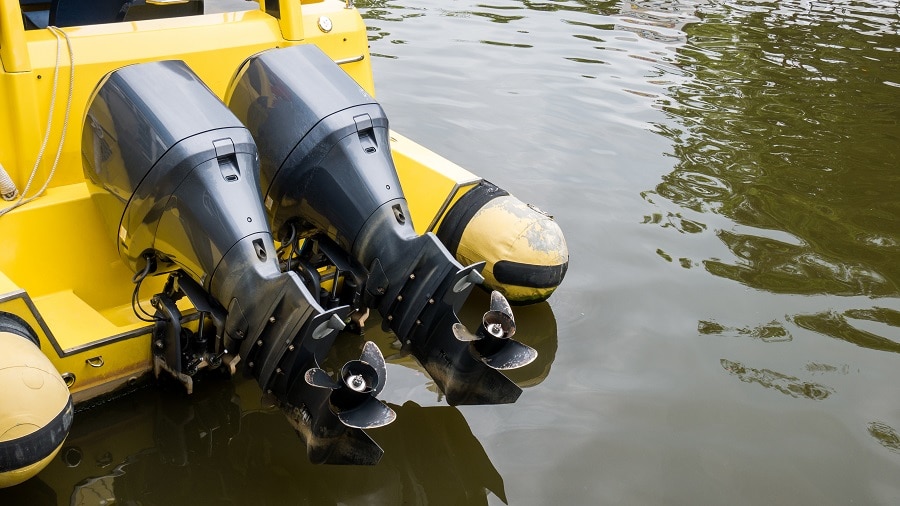
yellow boat with blown engine

Your boat should be a source of enjoyment and relaxation. Purchasing a great boat insurance policy can keep your time on the water stress-free. From collisions to a blown engine, even the most responsible boaters can run into problems out on the water. Before you take your boat out, make sure you have the proper insurance coverage. You do not want to be left without a safety net in the case of an accident or property damage.

Boat insurance can be purchased for all types of motorized watercraft from jet skis to fishing dinghies to yachts.

A common question boaters ask is, “Does boat insurance cover blown engines?” Whether or not your insurance company will pay for repairs not only depends on the cause of the damage, but on the type of insurance policy you have purchased.

Types of Damage Coverage

When purchasing a boat insurance policy, there are three main options for covering property damage.

  • Actual Cash Value (ACV) pays the cost of replacing the vessel, less depreciation.
  • Agreed Value consists of a payout amount the boat owner and insurer have previously agreed upon in the event of a covered total loss.
  • Replacement Cost means if your boat is three years old or less, the insurer will replace it with a similar vessel.

Within those types of coverage, your individual policy will have guidelines for when property damage is covered by your insurance and when it is not. This can depend on your insurance company and the limits of the policy package you purchased.

Commonly Covered Loss

Standard boating policies are considered “at risk” policies, meaning that if the cause of the loss is not specifically excluded, it is automatically considered a covered loss. The following events are usually covered within claim limits.

  • Fire, theft, and vandalism.
  • Damage to person or property caused by your boat.
  • Injuries to you and anyone on your boat in case of an accident caused by an uninsured boater.
  • Medical payments including hospital bills, surgeries, and x-rays due to a boating injury.
  • Oil removal and damage costs for fuel spills, up to certain statutory limits.

Mechanical Coverage

Your boat insurance may provide coverage for a blown engine. This depends not only on your insurance company but also on your policy. Your reimbursement may include replacement cost coverage, but can be subject to depreciation. The age of your motor will also be a factor.

For most policies, there are certain limitations to this type of coverage. It is mainly a question of cause. Common exclusions include:

  • Normal wear and tear on the engine
  • Improper engine maintenance
  • Damage from mold, insects, zebra mussels, or small animals
  • Defective machinery or machinery damage

Liability Coverage

Your boat liability insurance will cover financial obligations you incur if you are responsible for a boating incident that results in harm or damage to people or property. Without adequate liability insurance, you will have to pay these expenses out of your own pocket. Liability costs add up quickly. If you cause an accident, boat insurance could be one of the best investments you have ever made. Events you may be held financially responsible, or liable for, include:

  • Property damage liability to another person’s boat, dock, or possessions.
  • Bodily injury to another boater or passenger on your boat.
  • Environmental damage, such as fuel spills.
  • Wreckage removal after an accident.

When you file a claim, your insurance company will also consider the factors surrounding the incident and there are several considerations that may determine whether or not your insurance policy will cover it. It is important to find out these limitations and keep them in mind before you take your boat out onto the water.

Navigational Limits

For larger boats, insurance policies have limits outlining where you can or cannot navigate your vessel. If you operate your vessel outside of the agreed upon territory, your insurance may not cover you. Broader navigational parameters come with more expensive insurance policies.

Layup Periods

Most boat owners store their boats out of the water during cold weather and insurance companies often give boat owners a credit because the vessel is not being used. However, if you take your boat out on the water before your agreed upon layup period ends, any damage you incur will not be covered by your insurance.

Underage Operators

It can be tempting to let your children try their hand at driving the family boat, but if your child does not meet the age and license requirements, any damage to your boat caused in an accident will not be covered. You may also face legal expenses incurred through liability. Age and license requirements for operating personal watercraft vary from state to state, so be sure to check the requirements where you live before turning over the wheel.

Marine Inspections

Most insurance companies require older boats and jet skis to be inspected and assessed by a marine surveyor to determine their seaworthiness, condition, and market value. The results of the inspection will be used in determining your coverage. If you own an older vessel, it is a good idea to have it inspected for safety issues even if it is not required by your insurance.

Shared Ownership

A boat can be a significant investment and friends and family members often buy a boat together. In most cases, the boat will carry a single insurance policy with both owners named. If an accident happens, the owner not involved is still bound by the same liabilities and insurance responsibilities.

Boating is a popular way to get outdoors, relax, and spend time with those who are important to you. Owning a boat can be a very rewarding experience, but it is important to understand the insurance requirements that will protect both you and your investment. Before you hit the water, let an insurance agent at Gebhardt Insurance Group build you a policy that will give you adequate protection and peace of mind. Call or text us today at 520-836-3244 to find out more.

Filed Under: Motorboat Insurance Tagged With: Types of Damage Coverage

Windshield Repair & Replacement

October 11, 2018 by Steve Gebhardt

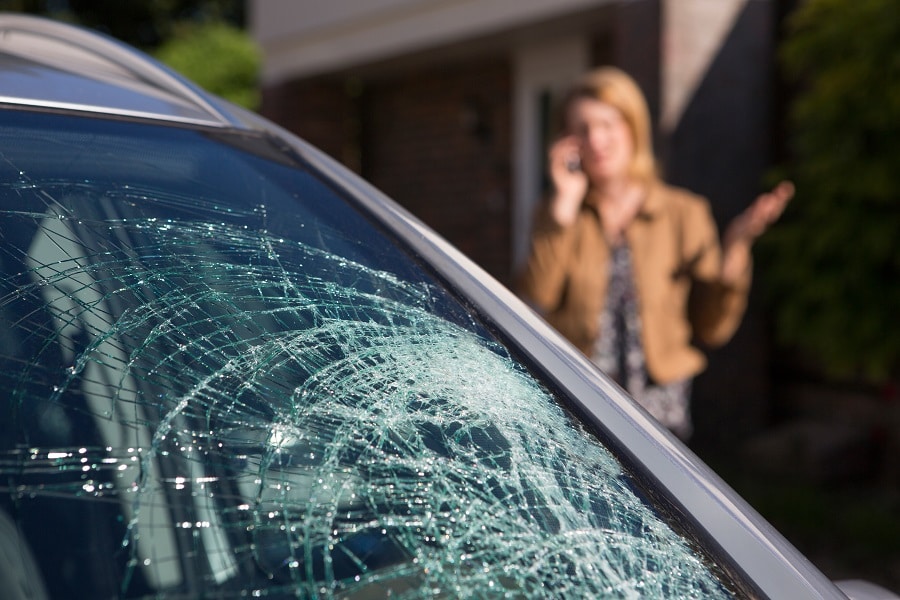
car with a broken windshield

Windshields are considered to be safety devices according to the U.S. Department of Transportation. Driving with a damaged windshield is dangerous. Debris such as rocks can easily damage a windshield. Auto insurance companies in Arizona are required to replace windshields for customers who maintain full coverage insurance policies at no cost. Even a minor chip or crack in the windshield can quickly expand if not repaired.

Windshield Repair

Vehicles that are newer come with windshields that often have special features, especially for luxury cars. This poses a challenge for claims departments to make sure they use compatible replacement windshields. Small chips or cracks in your windshield are generally able to be repaired for $50 to $60. Windshields deemed beyond repair will require that you replace the entire windshield, which is more costly.

Features of Newer Windshields

Vehicles continue to become more complex. Even components that appear simple such as a windshield may have many features such as:

  • Noise reducing layer: A thin and clear laminate-type layer may be in your windshield to limit the amount of noise within the cabin of the vehicle.
  • Bands for shade or glare: A band of tint along the top of the windshield that shields occupants from harmful sun rays and glare.
  • Moisture sensors: A small device that detects rain. It is capable of activating the wipers and may be able to regulate the speed of the wipers as needed.
  • Wiper heating element: A component that maintains warmth on the part of the windshield where the wiper blades rest to prevent ice from forming.
  • VIN number: The windshield may contain a space for the vehicle identification number, which can be read from the outside.
  • Components needed for the rear view mirror such as attachment brackets or electrical elements.
  • Antennas: A thin metallic antenna is often contained within the windshield.

Auto Insurance Coverage

Arizona is not alone in requiring auto insurance companies to provide comprehensive vehicle coverage repair or replace damaged windshields without a deductible. Other states with this requirement include Florida, Kentucky and South Carolina. In AAA’s 2017 Your Driving Costs report, the annual operating and ownership costs for a 2017 model vehicle in the U.S. was $8,469. The average annual premium for full coverage vehicle insurance policies is $1,202.

Arizona Legislation

Arizona Senator Karen Fann has recently supported legislation to eliminate the “zero-deductible” requirement for windshield installation that auto insurance companies face. One version of the bill allows insurance providers to impose a deductible amount that the insured would pay “out-of-pocket”. Many of those in support of such changes feel that this could potentially reduce insurance premiums for all policy holders in the state. The Property Casualty Insurance Association (PCIA) asserts that rampant fraud has developed in zero-deductible states.

Insurance Fraud

The PCIA claims that deceptive auto glass repair service providers are overcharging insurers for repairs. They believe these providers are offering cash incentives to consumers who file repair claims. Mark Osborn, an insurance company advocate, says that 88% of all glass replacement claims are from those in zero-deductible states. Rex Altree is the president of the Arizona Auto Glass Association. He explained that eliminating the requirement will cause a surge in the number of motorists who choose not to replace their damaged windshields. He feels that because of the expense many will ignore the flaw in structural integrity, creating a major safety concern.

Associated Costs

T&S Auto Glass, based in Chandler, Arizona, says the average cost of windshield replacement in 2017 was between $200 and $500. Illinois-based Glass America says the average windshield replacement cost is roughly $210 to $230. For some rare or luxury vehicles, this cost can approach $1,500. CarsDirect reports that windshield replacement cost averages may reach $325 depending on the vehicle. Certain high-end manufacturers, such as BMW and Lexus, recommend that windshield replacements only occur at their dealerships. These “dealer only” requirements are likely to be more expensive.

Optional Auto Insurance Coverages

Motorists are required to maintain auto liability coverage to satisfy their state’s mandatory minimums. Keep in mind that liability coverage is exclusively for bodily injury & property damage that a driver may cause in an accident. Optional types of car insurance coverage vary from state-to-state and among individual insurers. Some of the common types include:

  • Collision: Provides coverage for damages to your vehicle in an accident where you are the at-fault party
  • Comprehensive: This is used to cover damages and replacement costs caused by occurrences such as vandalism, theft, hail, etc.
  • Glass Coverage: This is considered a supplemental form of coverage exclusively for glass repair and replacement.
  • Uninsured Motorist: Useful if the at-fault motorist does not have the mandated liability coverage
  • Personal Injury or Medical: Provides coverage specifically related to medical expenses caused by an accident

Pinal County Auto Insurance Provider

At Gebhardt Insurance Group, we are focused on delivering excellent personal service and meeting your individual insurance needs. Our customers benefit from our ability to offer auto insurance policies from the leading companies in the industry. Contact us today to speak with one of our agents and receive a free quote!

Filed Under: Auto Insurance Tagged With: Associated Costs, Auto Insurance Coverages, insurance fraud, Insurance Provider

What To Do if Your Car is Stolen

October 4, 2018 by Steve Gebhardt

What To Do if Your Car is Stolen

Having your car stolen is an event that can shake even the calmest of people. If your car is stolen, there are steps you can take to increase your chances of recovering your vehicle.

Before you call your insurance company, ask yourself if there are any legal explanations for the disappearance of your vehicle. If you parked your car illegally, it may have been towed, or if you have not paid your car payments, your vehicle may be repossessed.

If none of those situations apply to you, it is safe to assume someone stole your car.

Do you have comprehensive coverage?

In order to have theft covered on your car insurance policy, you must have comprehensive coverage. This applies across the country.

A common mistake people make is purchasing home insurance with the belief that the policy will cover their car as well, but a home insurance policy does not cover stolen vehicles and uninsured motorist coverage. Even if your vehicle was stolen from your garage, you still need comprehensive coverage in order to recover your losses.

If you leased or financed your vehicle, comprehensive coverage is mandatory, but if you own the car, this type of coverage is optional. Damage from animals, natural disasters, and other hazards are also covered with a comprehensive coverage policy.

Notify your insurance company and the police as soon as possible.

The sooner you contact the police, the higher the chances are of your car being recovered. Your insurance company should also be notified. You can check if you have comprehensive coverage and begin the process of filing your claim.

However, most insurance companies will not finalize your claim until 30 days have passed. During those 30 days, it is highly likely the police will find your car. Not all insurance companies have a 30 day wait time, but most do. To find out more, contact your insurance agent. If the car is found but there are damages to the interior, your comprehensive coverage policy will cover those damages as well.

The value of your vehicle must be determined.

Insurance adjusters must determine the current value of your vehicle after it has been stolen. This is completed through an agreement you sign, as well as the lender if you are financing your car.

Next, the insurance company has to sign the papers as well. In this case, you will not have ownership of your car but you will receive money from the insurance company that covers the current value of your car.

However, you can negotiate with your insurance company to buy your car back in case the police find it.

The theft claim will be investigated by the insurance company.

Theft claims are always investigated. The conversation you have with your claims adjuster will be recorded. This is standard procedure and you should not take offense.

The insurance company has a duty to find out whether the theft claim is real or fraudulent. You will be asked about the last location of your car, as well as the model, year and mileage of the vehicle.

Ask your insurance agent what will happen to your stolen belongings.

Any belongings that are stolen are not covered by your car insurance unless you have a homeowners or a renters insurance policy. This means that you have to pay a separate deductible if you want the belongings inside your vehicle to be covered.

However, if you purchased both home and auto insurance from the same carrier, you may be able to negotiate a single deductible and cover your lost belongings. It is usually recommended to purchase insurance policies from the same company because they are usually more willing to negotiate with you.

If your car has been stolen, do not hesitate to file a claim. Give us a call, today.

Filed Under: Auto Insurance

Motorcycle Maintenance Tasks You Can DIY

October 1, 2018 by Steve Gebhardt

Big Black Motorbike

Every motorcyclist knows that a motorcycle needs constant care and maintenance to avoid any mishaps or sudden breakdowns. Although modern motorcycles are more reliable and typically easier to maintain, it’s necessary to be knowledgeable about your bike. Learning how to maintain your motorcycle at home, can prepare you for safer, longer rides and save you money. Here are some tips for motorcycle maintenance to save you money and keep your motorcycle problem free.

Maintain Chain Tension and Keep it Clean

By maintaining proper chain tension, you will avoid unusual pressure on the gearbox and sprockets. A loose chain can lead to a notchy transmission and bumps in the rear suspension.
To avoid damage, you should check your motorcycle’s manual before adjusting the chain tension to ensure it is adjusted to the recommended torque. Ideally, you should place a load on your bike that is equal to the weight of one person, for accurate chain tension adjustment.

The chain should be cleaned and oiled regularly. It prolongs the life of the chain, while keeping your ride smooth. To clean the chain, you will need lubricant oil, a torque wrench, and a gentle bristle brush.

Change Your Oil

To keep your bike properly running, you will need to change the oil every few thousand miles. To change your oil, the engine of your motorcycle should be warm. Remove the filter cap and the sump plug. Let the oil drain away. Once the oil has completely drained, remove the filter, replace the sump plug and tighten it correctly. The new filter should be stained with new oil before tightening. Refill the tank with new oil and start the engine to check if there are any leaks. After a few minutes, check the oil level and add more oil if needed. For this process, you will need a filter wrench, engine oil and a filter.

Check The Air Filter

Motorcycle air filters keep bikes safe from dust and debris. Although changing the air filter may be time consuming, it is a very important step in maintaining your motorcycle. A dirty filter can destroy your bike’s performance. Depending on what type of motorcycle you own, the process of changing your air filter may take longer. You might have to remove the gas tank and other parts of the bike to get to the air box. Replace the air filter and reassemble the motorcycle.

Change Your Coolant

Coolant is necessary to keep your bike from overheating, freezing and from corrosion. To change the coolant, remove the drain bolt and the radiator cap. Once the coolant has flushed, replug the drain bolt. Refill the coolant in the radiator with the appropriate amount of coolant. Next, start the bike to remove any trapped air. Make sure there are no leaks while the bike is warming up. After thirty seconds, remove the radiator cap to check the coolant level. Top if off with more coolant if necessary.

Maintain Tire Pressure

Check your tire pressure regularly. Remove the cap on the valve stem and place a tire pressure gauge on it. If the tire pressure does not match the recommended level, inflate or deflate the valve to match it correctly for a safer, hassle-free motorcycle ride.

Filed Under: Motorcycle Insurance

What To Do If You’re In A Boating Accident

September 27, 2018 by Steve Gebhardt

Boat with Damage after a boating accident

No one wants to be involved in a boating accident. Boaters who follow all of the guidelines and follow all safety procedures can still be involved in a boating accident. However, taking precautionary measures before getting in the water can minimize the probability of injury.

According to the U.S. Coast Guard, there were 4,463 boating accidents in 2016 leading to 701 deaths and 2,903 injuries. Even if you are equipped with navigational kits and life jackets, maintain a safe speed and are aware of the weather conditions, your security in the water can never be assured.

All boaters should be educated on the proper procedure to follow in the moments following a boating accident.

Step One: Seek Medical Assistance

Immediately following an accident, the first thing you should do is see if anyone involved needs immediate medical attention. Check to see if you are injured. Call for help or ask a bystander to call for medical assistance if you are unable. If the boat operators are not in need of immediate medical assistance, they should make sure that everyone involved in the accident gets the medical attention they need. Even someone who has sustained minor injuries should see a doctor immediately. Some injuries do not exhibit symptoms right away. It is highly advised for everyone to see a doctor.

Step Two: Move To A Safer Place

Boating accidents can be lethal. Often the impact is so high, it throws passengers off of the boat. If you find yourself in the water after a collision, the first thing is to do is get back to the boat as long as it is not broken or unstable. There may be other boaters in the water who need your help. Ensure that everyone affected is safe and secure.

Once you and all other passengers are back onboard, move away from the scene of the accident to a safer place. Ensure that your boat is not blocking the path of any other boat to reduce the risk of another boating accident.

Step Three: Contact The Coast Guard

Inform the Coast Guard about the accident as soon as possible. The location of the accident and where you are currently located should be made clear to further the rescue effort. The Coast Guard should be informed of all injuries and casualties so they may provide you with the proper assistance. Remain at the location you gave the Coast Guard until they arrive. If you have to move, try not to move too far away from the scene of the accident or the Coast Guard may have trouble locating your boat.

They will gather information to file an accident report. It is your duty to stay truthful and cooperative. This report is vital for insurance claims and compensation.

Step Four: Share Contact information With Witnesses

Exchange information with the boaters involved in the accident as well as all witnesses present. It is imperative to ID all witnesses and boats present at the time of the accident. It will play a significant role in the insurance claim process. Secure all contact information and refrain from making any conjecture about who is at fault.

Collect as much evidence as you can from the scene. Take pictures of everything damaged as well as any food or beverage found at the scene. All evidence you capture will help you prove who is liable.

Step Five: Call Your Insurance Agent

After receiving medical treatment, the next step is to contact a your insurance agent. That is if you made the wise decision to purchase boating insurance. If you had insurance with Gebhardt then you are in good hands. If you haven’t purchased insurance, but you are thinking about if you need to or not then consider the benefits of purchasing insurance. Insurance will protect you in the case that an accident occurs and either your boat is damaged or you are at fault for damages. Not only will boat insurance cover damages, but also bodily injury liability in the event that someone is harmed in an accident. Make sure to contact a Gebhardt representative to make sure you are protected in the event of an accident.

Filed Under: Motorboat Insurance Tagged With: Boat Accident, Coast Guard, Medical Assistance

« Previous Page
Next Page »

Recent Posts

  • Can Golf Carts Be Driven on the Road in Casa Grande? Complete 2025 Guide
  • Complete Insurance Checklist for Snowbirds & Winter Visitors in Casa Grande & Maricopa, Arizona
  • Golf Cart vs Side by Side Insurance in Casa Grande & Maricopa: Which Coverage Do You Really Need?
  • Why Casa Grande Residents Should Choose a Local Independent Agent: 5 Advantages You Can’t Get Online
  • Common Insurance Scams in Arizona: How to Protect Yourself and Your Coverage
logo-main-white

719 E Cottonwood Lane, Suite #1
Casa Grande, AZ 85122

44400 Honeycutt Rd, Suite #102H
Maricopa, AZ 85138

Facebook Twitter Feeds
5 star yelp

Insurance Types

Motorcycle Insurance
Motorhome Insurance
Mobile Home Insurance
Life Insurance
Medicare Insurance
Home Insurance
Commercial Insurance
Auto Insurance

Our Company

Careers
Contact Us
File a Claim

Recent Posts

Home Insurance Guide in Arizona
Insurance for Snow Birds in Arizona
Do I Need Monsoon Insurance Coverage?
Does Full Coverage Car Insurance Cover Theft? Here’s What You Need To Know

Copyright © 2024. By GEBHARDT INSURANCE GROUP | PRIVACY POLICY

Accessibility

Online Dictionary

    Readable Experience

    Content Scaling
    Default
    Text Magnifier
    Readable Font
    Dyslexia Friendly
    Highlight Titles
    Highlight Links
    Font Sizing
    Default
    Line Height
    Default
    Letter Spacing
    Default
    Left Aligned
    Center Aligned
    Right Aligned

    Visually Pleasing Experience

    Dark Contrast
    Light Contrast
    Monochrome
    High Contrast
    High Saturation
    Low Saturation
    Adjust Text Colors
    Adjust Title Colors
    Adjust Background Colors

    Easy Orientation

    Mute Sounds
    Hide Images
    Virtual Keyboard
    Reading Guide
    Stop Animations
    Reading Mask
    Highlight Hover
    Highlight Focus
    Big Black Cursor
    Big White Cursor
    Navigation Keys

    Casa Grande Insurance Agency Accessibility Statement

    Accessibility Statement

    • www.gebhardtinsurancegroup.com
    • January 31, 2026

    Compliance status

    We firmly believe that the internet should be available and accessible to anyone, and are committed to providing a website that is accessible to the widest possible audience, regardless of circumstance and ability.

    To fulfill this, we aim to adhere as strictly as possible to the World Wide Web Consortium’s (W3C) Web Content Accessibility Guidelines 2.1 (WCAG 2.1) at the AA level. These guidelines explain how to make web content accessible to people with a wide array of disabilities. Complying with those guidelines helps us ensure that the website is accessible to all people: blind people, people with motor impairments, visual impairment, cognitive disabilities, and more.

    This website utilizes various technologies that are meant to make it as accessible as possible at all times. We utilize an accessibility interface that allows persons with specific disabilities to adjust the website’s UI (user interface) and design it to their personal needs.

    Additionally, the website utilizes an AI-based application that runs in the background and optimizes its accessibility level constantly. This application remediates the website’s HTML, adapts Its functionality and behavior for screen-readers used by the blind users, and for keyboard functions used by individuals with motor impairments.

    If you’ve found a malfunction or have ideas for improvement, we’ll be happy to hear from you. You can reach out to the website’s operators by using the following email

    Screen-reader and keyboard navigation

    Our website implements the ARIA attributes (Accessible Rich Internet Applications) technique, alongside various different behavioral changes, to ensure blind users visiting with screen-readers are able to read, comprehend, and enjoy the website’s functions. As soon as a user with a screen-reader enters your site, they immediately receive a prompt to enter the Screen-Reader Profile so they can browse and operate your site effectively. Here’s how our website covers some of the most important screen-reader requirements, alongside console screenshots of code examples:

    1. Screen-reader optimization: we run a background process that learns the website’s components from top to bottom, to ensure ongoing compliance even when updating the website. In this process, we provide screen-readers with meaningful data using the ARIA set of attributes. For example, we provide accurate form labels; descriptions for actionable icons (social media icons, search icons, cart icons, etc.); validation guidance for form inputs; element roles such as buttons, menus, modal dialogues (popups), and others. Additionally, the background process scans all of the website’s images and provides an accurate and meaningful image-object-recognition-based description as an ALT (alternate text) tag for images that are not described. It will also extract texts that are embedded within the image, using an OCR (optical character recognition) technology. To turn on screen-reader adjustments at any time, users need only to press the Alt+1 keyboard combination. Screen-reader users also get automatic announcements to turn the Screen-reader mode on as soon as they enter the website.

      These adjustments are compatible with all popular screen readers, including JAWS and NVDA.

    2. Keyboard navigation optimization: The background process also adjusts the website’s HTML, and adds various behaviors using JavaScript code to make the website operable by the keyboard. This includes the ability to navigate the website using the Tab and Shift+Tab keys, operate dropdowns with the arrow keys, close them with Esc, trigger buttons and links using the Enter key, navigate between radio and checkbox elements using the arrow keys, and fill them in with the Spacebar or Enter key.Additionally, keyboard users will find quick-navigation and content-skip menus, available at any time by clicking Alt+1, or as the first elements of the site while navigating with the keyboard. The background process also handles triggered popups by moving the keyboard focus towards them as soon as they appear, and not allow the focus drift outside of it.

      Users can also use shortcuts such as “M” (menus), “H” (headings), “F” (forms), “B” (buttons), and “G” (graphics) to jump to specific elements.

    Disability profiles supported in our website

    • Epilepsy Safe Mode: this profile enables people with epilepsy to use the website safely by eliminating the risk of seizures that result from flashing or blinking animations and risky color combinations.
    • Visually Impaired Mode: this mode adjusts the website for the convenience of users with visual impairments such as Degrading Eyesight, Tunnel Vision, Cataract, Glaucoma, and others.
    • Cognitive Disability Mode: this mode provides different assistive options to help users with cognitive impairments such as Dyslexia, Autism, CVA, and others, to focus on the essential elements of the website more easily.
    • ADHD Friendly Mode: this mode helps users with ADHD and Neurodevelopmental disorders to read, browse, and focus on the main website elements more easily while significantly reducing distractions.
    • Blindness Mode: this mode configures the website to be compatible with screen-readers such as JAWS, NVDA, VoiceOver, and TalkBack. A screen-reader is software for blind users that is installed on a computer and smartphone, and websites must be compatible with it.
    • Keyboard Navigation Profile (Motor-Impaired): this profile enables motor-impaired persons to operate the website using the keyboard Tab, Shift+Tab, and the Enter keys. Users can also use shortcuts such as “M” (menus), “H” (headings), “F” (forms), “B” (buttons), and “G” (graphics) to jump to specific elements.

    Additional UI, design, and readability adjustments

    1. Font adjustments – users, can increase and decrease its size, change its family (type), adjust the spacing, alignment, line height, and more.
    2. Color adjustments – users can select various color contrast profiles such as light, dark, inverted, and monochrome. Additionally, users can swap color schemes of titles, texts, and backgrounds, with over 7 different coloring options.
    3. Animations – epileptic users can stop all running animations with the click of a button. Animations controlled by the interface include videos, GIFs, and CSS flashing transitions.
    4. Content highlighting – users can choose to emphasize important elements such as links and titles. They can also choose to highlight focused or hovered elements only.
    5. Audio muting – users with hearing devices may experience headaches or other issues due to automatic audio playing. This option lets users mute the entire website instantly.
    6. Cognitive disorders – we utilize a search engine that is linked to Wikipedia and Wiktionary, allowing people with cognitive disorders to decipher meanings of phrases, initials, slang, and others.
    7. Additional functions – we provide users the option to change cursor color and size, use a printing mode, enable a virtual keyboard, and many other functions.

    Browser and assistive technology compatibility

    We aim to support the widest array of browsers and assistive technologies as possible, so our users can choose the best fitting tools for them, with as few limitations as possible. Therefore, we have worked very hard to be able to support all major systems that comprise over 95% of the user market share including Google Chrome, Mozilla Firefox, Apple Safari, Opera and Microsoft Edge, JAWS and NVDA (screen readers), both for Windows and for MAC users.

    Notes, comments, and feedback

    Despite our very best efforts to allow anybody to adjust the website to their needs, there may still be pages or sections that are not fully accessible, are in the process of becoming accessible, or are lacking an adequate technological solution to make them accessible. Still, we are continually improving our accessibility, adding, updating and improving its options and features, and developing and adopting new technologies. All this is meant to reach the optimal level of accessibility, following technological advancements. For any assistance, please reach out to