
File a Claim

Make a Payment

Facebook Twitter Feeds
logo-main-white
  • Home
  • About Us
    • Our Insurance Carriers
    • Careers
  • Insurance Types
    • Auto Insurance
    • Bonds
    • Commercial Insurance
    • Churches Insurance
    • Home Insurance
    • Life Insurance
    • Medicare Insurance
    • Mexico Insurance
    • Mobile Home Insurance
    • Motorcycle Insurance
    • Non-profit Insurance
    • Renters Insurance
    • Insurance for Snowbirds Arizona
    • Golf Cart Insurance
  • Locations
    • Casa Grande
    • Maricopa
  • Blog
  • Contact Us
  • Get Free Quote
Text or Call Us Today!
520-836-3244

Author: Steve G

Insurance blog, articles, and news written by Stephen Gebhardt, founder and CEO of Gebhardt Insurance Group an Insurance agency in Casa Grande, Arizona.

Cancel State Farm Car Insurance

May 23, 2019 by Steve Gebhardt

State Farm Car Insurance

Arizona law requires drivers to maintain liability insurance to cover the potential for financial liability if involved in a car accident. This mandate also applies to motorcycles, mopeds, and golf carts. The current minimum levels of coverage required for bodily injury is $15,000 per person and $30,000 per accident. A minimum of $10,000 in coverage specifically for property damages is also required.

Need for Car Insurance

Why does the law require you to have insurance? One reason is that driving is dangerous. In 2017, there were about 1,000 fatalities and 55,000 injuries incurred on Arizona roadways. The total number of crashes in 2017 was estimated as 127,064.

Auto Insurance: Expensive and Volatile

Across the U.S., there are more than 600 auto insurance companies serving the market of roughly 250 million drivers. According to a 2018 State of Auto Insurance report, the national average annual car insurance premium is $1,427.  Since 2011, the price has risen nationally by about 20%. Rates have changed in some states in one-year by as much as 60%.

Average Annual Rates Among Neighboring States

ArizonaUtahNew MexicoCaliforniaNevada
$1,247$1,112$1,331$1,713$1,802

Avoiding Lapses in Car Insurance Coverage

The Arizona Department of Transportation has a Motor Vehicle Division (MVD) that enforces the laws pertaining to the liability insurance requirement. If you are canceling your auto insurance and will still be driving, it is critical that your coverage does not lapse. If involved in a traffic stop or accident, members of law enforcement will ask you to provide evidence of current coverage. In addition, insurers are required to notify the MVD when a policy is canceled or not renewed.

If you are caught operating a vehicle without the required coverage, your vehicle registration and driver’s license could be suspended. In order to restore your driving privileges, the state will require you to maintain an SR22. An SR22 is a certification of Proof of Future Financial Responsibility. This certification must be maintained for a three-year period.

Lapse of Coverage Impact on Rates

One of the many factors that may have an effect on car insurance rates involves prior coverage. Insurers tend to look favorably on those who have a history of continuous (uninterrupted) coverage. California is the only state that prohibits this from factoring into rate calculations.

Out-of-State Coverage

All those who register a vehicle are required to have liability coverage from a licensed insurer in Arizona.  The MVD requires that proof of legal coverage is received no later than 30 days after registration.

Updating Changes to Your Car Insurance in Arizona

Earlier we mentioned that insurers are required to notify the MVD when a motorist’s policy is terminated. The same requirement applies when an insurer issues a new policy.  It is possible that your new insurer may not send this MVD notification in a timely manner. This could trigger an alert that suggests you do not have the mandated insurance requirements.

To prevent potential headaches from failures in communication, the state has implemented ServiceArizona.com. This is a website that allows direct access to your MVD record. Those who are canceling or otherwise changing their vehicle insurance to visit the site and enter your new policy details.

Temporarily Discontinuing Vehicle Insurance

What if you will be out of state for an extended period or otherwise not driving your vehicle? If you discontinue your insurance coverage for any reason the insurer will notify the MVD. If no new insurance policy information is received, your registration and driver’s license may be suspended. In this situation, you must complete a De-insured Certificate, a form that can be easily completed online.

Ways of Cancelling an Auto Insurance Policy

  • Over the phone: You may call your insurance company’s customer service department or your insurance agent. This tends to be a quick and easy way to cancel unless they require your signature.
  • By mail: You may simply send your cancellation request in writing through the mail. It will be important to properly reference your policy number and the effective date of the cancellation.
  • Visiting a local office: If your insurer or agent has a local office location you could stop there for cancellation. They will likely have you complete a form to finalize the process.
  • Assistance from a new insurer or agent: They may be able to assist with canceling your existing policy by sending a fax. Make sure that you provide the policy number to avoid any confusion.

Cancellation for Non-Payment

It is possible that your policy is expiring and you simply allow it to lapse.  Keep in mind that some companies have a grace period that automatically extends coverage beyond the policy termination date. It is possible that you could be responsible to pay for this period of coverage. Keep in mind that if your policy is set up for automatic electronic billing you should formally make contact to cancel.

Obtaining a Refund for Remaining Period

If you have paid in advance for your insurance you will be eligible for a refund on the unused premium amount.  If you pay monthly it may be easiest to simply make your new policy effective date at the month’s end. If eligible for a refund, you can expect a check by mail in several weeks or electronic refund to your bank account.

Established Independent Insurance Agency in Casa Grande

The Gebhardt Insurance Group has been a trusted source for insurance among those in the greater Pinal County area for years. We are an independent agency that represents dozens of insurance companies and maintains a commitment to customer service. You benefit because we have the options available to ensure you obtain affordable coverage that is well-suited for your individual needs. Contact a member of our team of insurance professionals today to get started at (520) 836-3244.


Filed Under: Auto Insurance, Insurance

What Does Collision Insurance Cover?

March 28, 2019 by Steve Gebhardt

Collision Insurance Cover

All motorists are required to maintain state-minimum liability insurance coverage for bodily injury and property damage that you may cause. Liability coverage is used to pay for damage incurred by others. Drivers have the option of adding comprehensive and collision coverage to pay for damages to your car. Serious car accidents are a reality for motorists. In 2017, there were over 37,000 people fatally injured—roughly 1,000 in Arizona alone. Collision coverage allows for the repair costs or replacement of your vehicle following a collision. Collision coverage applies regardless of fault.

When Does Collision Coverage Apply?

Among the many types of auto insurance, collision coverage is used in various scenarios. One example is if you crash into another car or object such as a tree or light post. This coverage would also be used if you drove off the road into a ditch. It is also commonly confused with comprehensive auto insurance coverage.

Differentiating Collision and Comprehensive Coverage

The primary difference between collision and comprehensive auto insurance is whether the vehicle was under the driver’s control at the time. Comprehensive is generally thought of as being applicable following “acts of God” or nature. Examples would include damage from a hailstorm, vandalism, or theft. Both types of coverage are usually sold together and make up what is referred to as “full” coverage.

Collision Coverage Required

Those financing or leasing their vehicle are going to be required to maintain full coverage. The lender that you are making payments to implements this requirement for their protection. If the vehicle became severely damaged, the lender wants to know their asset is covered.

Collision CoveragePricingAverage2012-2016 [1]
StateCollision |Liability |Comprehensive
Arizona290.88539.68
191.86
California423.75520.8199.73
Colorado307.27570.10194.65
New Mexico290.17495.33178.38
Utah276.41523.73113.49

Factors That May Impact Collision Insurance Rates

There are a host of reasons why a motorist may see increased premium pricing for collision coverage some of which include:

  • Traffic violations or infractions
  • Other drivers within your household
  • A recent history of insurance claims
  • The type or value of the vehicle being insured
  • The location of your residence

Policy Deductible

The majority of collision and comprehensive policies have a deductible amount. This is an amount that the policyholder must “pay out of pocket” in an insurance claim. Collision deductible amounts are commonly $250, $500, or $1,000.

We will use an example where your car incurred $5,000 in damage and your policy has a $500 deductible. You would pay the initial $500 toward the repair and your insurer would then pay the remaining $4,500. Choosing a higher deductible amount will generally lower the amount of your premium.

Stacking and Indemnity in Collision Coverage

It is possible that multiple insurance policies could potentially be used to cover the same damages from a single accident. This could create an opportunity for abuse if the insured filed a claim with both policies. The insurance industry implemented provisions to prevent this problem where the insured may potentially profit from a claim. The principle of indemnity seeks to prevent this practice. If more than one insurance policy could potentially cover a loss coverage is limited to the amount of the highest single policy limit. These measures are often called “anti-stacking” protections.

Actual Cash Value

In situations such as when a vehicle is damaged beyond repair, your collision coverage will pay for a replacement. If the vehicle is “totaled”, the amount the insurer pays is generally based on the actual cash value. Keep in mind that your vehicle begins depreciating in value it is purchased. Actual cash value can be summarized as the replacement cost minus the estimated depreciation.

Replacement Cost Value

Some auto insurers recently have been advertising “guaranteed better vehicle replacement” or “full new vehicle replacement” policies. Keep in mind that these policies are likely to have some extra costs factored into the premium. Motorists now have many online resources for quickly and accurately estimating their car’s current value. Sites including Edmunds and Kelley Blue Book are two of the more popular options.

Should I Maintain Collision Coverage on an Older Car?

Cars over 10 years old with a value of less than $3,000 may not be worth maintaining collision coverage on. This evaluation needs to be made on a case-by-case basis. You should analyze the cost of the collision policy premium compared to how much the car is worth.

Coverage for Rental Cars

Traditionally, those who rent a car are covered by their collision rental coverage provided by their credit card. Your existing auto insurance policy would provide liability coverage. In recent years, many credit card companies have started no longer including this form of coverage in the card user agreement. It is critical that when renting a car you check your credit card agreement and auto insurance policy. If coverage is not provided or insufficient, you will want to purchase added coverage options from the rental car company.

Coverage for an Interim Rental Car

Another potential coverage benefit within your collision policy is for a rental car to use while your vehicle is being repaired. Often these policy provisions are called “loss of use” coverage and usually specify a daily rate of rental reimbursement. For example, your policy may provide $35 per day for a rental car with a maximum limit of $500.

Independent Insurance Agency in Arizona

Finding auto insurance that provides a combination of superior coverage and excellent value can be a challenge. Often key policy features and benefits are buried in paragraphs of fine print making it difficult to truly compare competing policies. At the Gebhardt Insurance Group, we will properly evaluate your needs and identify the best options from dozens of insurance carriers. Contact our team of professionals today in Casa Grande at (520) 836-3244.


[1] Auto insurance Facts & Statistics

Filed Under: Auto Insurance, Liability Insurance

Life Insurance for Seniors Over 65

March 21, 2019 by Steve Gebhardt

Life Insurance for Seniors

It should come as no surprise that the costs of life insurance typically increase with age. Seniors should expect fewer coverage options and higher monthly premium prices. Life insurance companies view those ages 60 and over as a much greater risk. What are the best life insurance plans for people age 65 and over? The answer varies according to your individual circumstances and what benefits you are seeking.

What is Life Insurance?

A life insurance policy is a contractual agreement between the holder of the policy and an insurer. The insured makes premium payments in exchange for some lump sum death benefit payable to the beneficiary named by the deceased. There are dozens of types of life insurance policies. Term and permanent are the two primary types of life coverage.

Life Insurance Considerations

There are a host of considerations that seniors may factor into their policy selection as follows:

  • Whether there is a living spouse or not
  • Other assets that the individual has such as a home, retirement account(s), etc.
  • Any current debt and the amount(s) owed
  • If any children are still dependent financially
  • Any estate taxes that would apply upon death
  • Whether elderly parents or adult children who are disabled are relying on support financially       

Term Life vs Whole (Permanent) Life Insurance

A term life policy lasts for a specified time period of up to 30 years. Compared to whole life insurance, it may be seen as a temporary policy. Term policies are generally more affordable. The insurer may not ultimately have to pay a death benefit if the insured outlives the policy term.

A whole (permanent) life insurance policy remains in effect as long as the premium is paid and usually builds cash value. The insured party may use this cash according to the terms of the contract. These are typically much more costly than term policies.

Annual Premium for$500,000, 10-YearTerm Policy(Healthy/Non-Smoker)
Age 40Age 50Age 60Age 70
Male
$242$547
$1,476$4,523
Fe,ale$211$449$986$2,807

The above chart shows the large disparity in prices based on gender. Premiums for females ranged from roughly 13% to 38% less costly.

Age Limitations on Life Insurance Products

As you advance in age, there are fewer options available for term policies. These age-related limitations vary by company. Generally, the maximum term available for those 70 years of age is 20 years. At ages 75 and 80, the maximum terms decline to 15 and 10 years. Whole life policies for this age range are quite costly and are rarely offered beyond age 75. Seniors are also likely to encounter a requirement that they submit to a medical examination.

Concerns Regarding Medical Conditions

Seniors in their early 60s who are in good health may qualify for a term policy with a monthly premium of roughly $100. Being in good health allows access to better rates. This is partly due to the chance that the policyholder will live beyond the term of the policy. These healthy individuals may find that submitting to a medical exam lowers their rates.

MetLife typically requires applicants over the age of 50 to submit to an electrocardiogram and both blood and urine tests. New York Life often requires those over the age of 70 to undergo cognitive and physical testing. Prudential Insurance may reference a database showing any prescription drugs applicants take.

Avoid Buying Cash Value Policies Over Age 65

Universal life insurance policies are a form of whole life policies that accumulate cash. Policyholders can obtain a loan from their policy while still alive. These types of policies are generally not recommended for seniors. The premium tends to be high due to the cash value feature of these policies. In addition, they tend to have administrative or management fees that can approach 3%. The policies are often best for those focused on longer-term goals.

Burial or Final Expense Policies

Those well into their 70s will likely have few options. Those over 80 years of age may only be eligible for a burial policy. Burial insurance is a form of whole life coverage that exclusively pays “final” expenses. The death benefit in the policy is unlikely to exceed $40,000, with many in the $10,000 to $15,000 range. Typically they do not require a thorough medical exam. These policies are useful for seniors with health concerns who want ensure their family does not have to pay for funeral expenses.

Evaluating the Insurance Carrier

You may recall seeing advertisements, such as those with celebrity spokesmen, discussing life insurance policies with “guaranteed” acceptance. They commonly promote that no medical exam is required. The insurer knows that these policies are particularly appealing to those with health concerns. As a result, the policy premium is typically inflated and death benefits are generally limited.

You should feel comfortable that a life insurance company is stable and legitimate before purchasing a policy. It is often advisable to check their Standard and Poor rating or AM Best standing. Avoid purchasing policies that have extremely confusing terms and conditions. You should have a firm understanding of what the agreement entails.

The Advantage of Purchasing Through an Independent Agent

There are many types of life insurance products on the market from many carriers. A smart way to consider your options is by consulting with an independent agent. These insurance professionals are able to identify your needs and find policies that are suitable. An independent agent is not “captive”, meaning that they may offer policies from more than one carrier. This allows seniors more life insurance options and will help with finding an affordable solution.

Life Insurance Agency in Casa Grande

Our team of insurance professionals at the Gebhardt Insurance Group has provided life insurance to those of all ages for years. We also assist those locally with auto, homeowners, business insurance and much more. We encourage you to contact us today at (520) 836-5244.

Filed Under: Life Insurance, Insurance

Tips for Avoiding a Collision

February 28, 2019 by Steve Gebhardt

Avoiding a Collision

The National Highway Traffic Safety Administration (NHTSA) reports there are over 1,400 vehicle collisions each day.  Many of these auto accidents lead to injuries and sometimes fatalities. Many crashes result from problems such as speeding, distracted driving, and drunk driving. Because of the high number of vehicle collisions, it is critical to maintain your car insurance. The Gebhardt Insurance Group has provided auto insurance to Arizona residents for many years and encourages you to contact them for all your insurance needs.

State-to-State Accident Fatality Comparison

State[1]Fatal CrashesDeaths per 100,000 people
Arizona91914.3
California3,3049.1
Colorado60011.6
New Mexico34018.2

Visibility and Posture

Drivers should assess their positioning and posture upon entering the vehicle. Properly adjust your mirrors to maximize visibility and minimize blind-spots. You should be able to see the ground in front of the vehicle for at least 12 feet. Position yourself comfortably with a good upright posture.

Vehicle Maintenance

Another key to accident avoidance is properly maintaining your vehicle. Regularly inspect your tires for proper inflation and remaining tread depth. “Bald” tires may cause you to lose control of the vehicle in wet conditions. Your brakes should be responsive and should function without any sounds that may indicate excessive wear. Check that your headlights, taillights, and turn signals are all operable.

Speed is a Key

According to the Governor’s Office of Highway Safety, 32% of fatal accidents in Arizona happen when a driver is traveling above the speed limit.  Increases in speed reduce reaction time and braking distance and heighten crash severity.

Defensive Driving

Some of the best practices for driving defensively are as follows:

  • Remain alert when making left-hand turns at intersections. Many “t-bone” (side-impact) car accidents are caused by a driver who is still exiting the intersection when you turn.
  • Pay attention to signs and signals. For example, many drivers disregard signs to yield and fail to exercise proper caution at pedestrian crossings.
  • Usage of high beam lights in rural areas may allow you to see if a large animal may be crossing.
  • Look out for those who may be racing through red lights at intersections as a practice for avoiding collisions.
  • Remember that large trucks (semis) have a large blind spot toward their right rear.
  • Allow for plenty of space between your car and the car in front. Avoid “tailgating” to allow for a safe braking distance.

Avoiding Distractions

Distracted driving is now a major safety concern, largely due to mobile device usage. Too many drivers are making phone calls and text messaging that leads to vehicle accidents. Many car collisions are also caused by driver’s who are eating, using in-car electronics, and applying makeup.

Auto Insurance Agency in Casa Grande

Auto accidents are clearly a problem on our roadways.  It is critical to have sufficient levels of auto insurance coverage. The Gephardt Insurance Group can research policies from dozens of insurance companies on your behalf. We will find you coverage that is both affordable and provides you with maximum protection. Contact the office today at (520) 836-3244 to speak with a member of our team!

Filed Under: Auto Insurance

Types of Life Insurance

February 14, 2019 by Steve Gebhardt

Types of Life Insurance

Those who buy a life insurance policy generally do so as a means of financial protection for their families. The beneficiary of the deceased will receive a lump sum benefit if the death occurs while the policy is active. Funds are commonly used for funeral and burial costs, debts such as a home mortgage, and future educational expenses of children. Life insurance coverage is broadly categorized as either term life or whole life (permanent life) insurance. Whole life policies make up approximately 60% of those sold within the market.

Overview of Types of Life Insurance Policies [1]
Term LifeWhole Life (Permanent)
Level TermTraditional
Decreasing TermUniversal
RenewableVariable
Non-RenewableVariable Universal

Term Life Insurance

These policies offer financial security for the beneficiary of the policyholder for a defined “term” or time period. In comparison to a whole life policy, they are considered a temporary option. It is the most simplistic and least costly option that may extend up to a 30-year-period. Those with minor children may maintain these policies until their kids have grown and no longer depend on them. Term insurance products are typically purchased exclusively for death benefit coverage. Unlike other forms of life insurance, they generally do not have a cash value component that may accumulate funds.

Renewable vs Non-Renewable

Most term policies extend over a multi-year period. A term of 20 years is quite common, after the time period has passed, the policy may be renewable. Establishing a long-term policy generally provides you with a stable premium cost that will not increase over time. Another advantage is if the insured party begins experiencing health concerns they already have existing coverage in place. Older adults and those will health issues are viewed as a greater risk and will have difficulty obtaining a new policy. Non-renewable policies end after the term and buyers will then have to shop for a new policy. When a term policy is renewed, the new premium is likely to be higher. This increase is likely because the insured party is now older. Renewals also may account for inflation and the rising cost of living.

Level vs Decreasing Term

Another distinction between types of policies involves whether they are level or decreasing. Most term policies have a level premium, but policies may or may not have a level death benefit. A level death benefit amount is clearly established when the policy is purchased and will remain unchanged throughout. Over 90% of term life policies issued are level. A policy with a decreasing level has a death benefit amount that is reduced at some interval over the policy term.

We will consider a scenario of a decreasing term policy that has an initial $250,000 death benefit with a 20-year term. This example has a 2% annual (yearly) decrease. We will track it at five-year intervals thus realizing a 10% decrease every five years.

YearsLevel Death BenefitDecreasing Death Benefit
0$250,000$250,000
5$250,000$225,000
10$250,000$202,500
15$250,000$182,250
20$250,000$164,025

Why Would Someone Select a Decreasing Term Policy?

Policyholders may consider a decreasing term policy if their primary concern is paying off a long-term loan upon death. One example is a home mortgage that is being paid off and the balance is steadily falling. The insured may have teenage children entering college soon and progressing into the workforce; therefore, their financial dependency is also diminishing. A decreasing policy is likely a more affordable option in most cases.

Whole (Permanent) Life Insurance

A whole or permanent life insurance policy also provides a death benefit as long as the premium is paid. It will also allow you to accumulate cash value depending on the type of permanent policy. A certain portion of the premium payments is invested. These funds may be invested in the stock market and potentially diversified similar to a mutual fund. If the investments perform well, the life insurance company may then pay you dividends based on earnings. These cash value arrangements often have great tax advantages. Many types of permanent life policies allow you access to the funds for purposes such as:

  • To make your premium payments
  • To extend yourself a loan at a lower interest rate than you could obtain in the market
  • As funding for other investment opportunities
  • For use as supplemental income in retirement

Whole Life vs Universal Life

Whole and universal life fall under the category of cash value policies. The distinction is primarily related to how premiums are paid and how cash accumulates. Whole life policies make the schedule of premium payments more simplified by using a set schedule. Whole life policies also generate a fixed return that “guarantees” you some cash value.

With universal life, the policyholder has some degree of flexibility in making their premium payments. The cash value component of the policy is more volatile and is dictated by short-term interest rates. Although a universal life policy may also have some “guaranteed” cash value, it is subject to changes in the investment markets. A possible disadvantage is that death benefits could decrease and policy premiums may increase in response to market conditions.

Variable vs Non-Variable

Variable life policies are highly volatile because premium funds are heavily invested in stocks, bonds, and other market funds. If these investments perform poorly the death benefit and cash value will decline. When investment performance is good there is a significant upside with strong increases in cash value. Policies deemed as non-variable are more conservative and not subject to the sizable extremes found in variable policies. They typically guarantee a minimum interest or cash value; however, lack the potential for large cash value gains from investment performance.

Variable universal life insurance coverage is a hybrid product. These policies use a variable cash value approach that has the investment-based risks and rewards. They also offer policyholders flexibility in their premium payments and death benefits that are typically associated with universal models.

Employer Plans

Larger employers often provide basic group life insurance policies to all employees. Many are paid entirely by the employer or have a small amount of employee contribution. These are generally small policies that rarely have a death benefit greater than $100,000. Usually medical exams and health inquiries are not required. Most of these policies are not sufficient for individuals with dependents. Many do offer the employee the option to add supplemental life coverage that is sometimes available at a good value. We will take a look at a couple standard plans offered by large Arizona employers.

  • The City of Mesa: Their standard program provides full-time employees with life coverage equal to their annual salary at zero cost.
  • The University of Arizona: Offers an Employer-Paid Life Insurance benefit with automatic enrollment for those eligible for benefits. It contains a $15,000 term policy that includes an additional $15,000 “seat belt incentive”. Also included is a $15,000 policy for Accidental Death and Dismemberment.
  • Hexcel Corporation: They have an office in Casa Grande that employs roughly 500 people. They provide a group life policy to employees at zero cost that has a $50,000 maximum benefit.

Buyer Considerations & Premium Allocation

Those considering life insurance obviously have many options to consider. You should consult with an experienced insurance agent who will help you find an appropriate plan that reflects your specific goals. Those looking to accumulate cash within the policy may choose a minimum level death benefit plan.

Enrollment Details & Tips

Depending on the policy that you are applying for, you may be subjected to a medical examination. This is more likely if your policy will provide significant benefits. All types of life policies will have a named person that is the beneficiary. You will need this individual’s social security number or other tax identification information. If the beneficiary is a minor child, you may establish a trust account for benefit distribution. Your policy premium should be an amount that is fairly affordable. This is particularly important if you choose a policy that may have rising premiums.

Independent Life Insurance Agency in Casa Grande

Would your family be faced with severe financial difficulties in the event of your death? Life insurance is a critical means of protection. At Gebhardt Insurance Group, we can help you secure a policy based on your current and long-term needs and goals. We represent many of the best life insurance carriers in the market and understand potential concerns about affordability. If you have an existing life insurance policy that has not been reviewed recently, we encourage you to contact us as well. It is very important to do so if you have had life changes involving dependents, marital status, income, or employee benefits. We can be reached at our office by calling (520) 836-3244.

Filed Under: Life Insurance, Insurance

Renter Insurance Coverage

February 7, 2019 by Steve Gebhardt

Renter Insurance Coverage

Across the country, there are approximately 43 million households who rent, which equates to about 37% of all households. Among homeowners, roughly 95% maintain a homeowner’s insurance policy; however, merely 40% of renters have rental insurance coverage. These policies provide coverage for incidents of theft, vandalism, fire, and other adverse events.

Renters insurance provides compensation to replace possessions, protect you from liability for injuries, and for temporary accommodations if the property needs repair. Renters insurance is among the most affordable types of insurance. Renters in the Casa Grande area are encouraged to contact the Gebhardt Insurance Group for assistance with rental insurance. We can also provide you with a comprehensive review of homeowners insurance and any other insurance needs you may have.

Current Market Trends (U.S.)

Many younger people (“millennials”) are choosing not to buy a home in the early years of their career. Homeownership among those under age 35 is now approximately 34%. This trend is attributed to several factors including increasing levels of student debt and stricter lending requirements regarding down payments. Approximately 56% of renters under the age of 35 do not maintain rental insurance. Roughly 40% of these individuals do not perceive a need for renters insurance.

Renters Insurance in Arizona

Arizona’s Department of Housing is responsible for the rights and obligations involving rental housing. These are contained in the Arizona Residential Landlord and Tenant Act. The provisions do not impose any mandates regarding renters insurance. A provision in the Arizona Association of Realtors template for lease agreements states they “strongly recommend tenants obtain and keep” this coverage. Landlords may require that their tenants have renters insurance.

Personal Property Protection

One key aspect of renters insurance is to protect your personal possessions in case they are damaged or stolen. Some examples may include electronics, furniture, and clothing. Some policies may also provide coverage for property items in off-site storage units. It is critical to gather an inventory of the items that you own for two reasons. First, to calculate the value of your property in order to be sure you select an adequate amount of insurance coverage. In addition, it is important to have documentation to support the existence of your belongings. This evidence may be proofs of purchase, receipts, and serial numbers. This information should be kept outside the home so that it is not potentially destroyed in a fire or other event.

Replacement Cost Coverage vs Actual Cash Value

A rental insurance policy will specify how compensation will be calculated for losses of property. Actual cash value is the most commonly used. It pays an amount that reflects the value of the item at the time of loss or damage. This calculation accounts for any potential depreciation of an item’s value since it was originally obtained. The replacement cost value is simply based on the original cost when the property was purchased. You should expect to pay at least an additional 10% to have replacement cost value coverage for your possessions.

Additional Coverage for Expensive Items

A rental policy will have a maximum amount of coverage available specifically for personal property. For items with significant value, such as jewelry, artwork, or firearms, you will need to address these individually with your insurance company. Typically, an “add-on” or endorsement is necessary and is available for an additional cost. Be sure to consult with your insurance professional for details regarding these types of coverage.

Certain Exclusions

Basic rental coverage is applicable to events such as fire, water damage, wind, hail, or lightning. Two natural disasters that are usually excluded from this coverage are earthquakes and floods. Those with a home office should also be aware that business-related property may not be covered. Other potential exclusions include if you accidentally misplaced an item or something is damaged by a pet. Carefully review the provisions of your policy agreement to verify these concerns.

Personal Liability

Rental insurance may also provide coverage in the event that someone is injured on your premises and you are liable. For example, if your dog were to bite a person. Some of the potential expenses that your policy may cover include the following:

  • Medical bills from diagnostics or X-rays
  • Emergency medical response and transportation
  • Medical payments from surgical procedures
  • Rehabilitation such as physical therapy
  • Compensation for lost wages due to an inability to work
  • Property damage that the party incurred

Interim Housing & Expenses

If an event renders your home uninhabitable a rental policy will afford you some benefit. For example, if a severe weather event were to severely damage the roof. Your insurance will compensate you for temporary alternative accommodations. This may include a hotel stay and daily living expenses while the property is undergoing repairs.

Premium Costs

The cost of a renter’s insurance policy is referred to as the annual premium. There are a host of potential factors that an insurer may consider when calculating renters insurance quotes. The value of the property that is being insured will generally be a primary factor. Some rental insurance policies may simply provide $5,000 to $10,000 in personal property coverage. Those in need of more coverage may extend to $40,000 or more. Insurers may consider your past claims history. Those who have filed an insurance claim in recent years are likely to pay higher rates. The credit history of the insured party may also be used in the formula for rate calculation. Data suggests that those with poor credit are more likely to file an insurance claim. Another element is the deductible selected for the policy.

Policy Deductible

The deductible amount is what the insured party must pay toward a claim. Deductibles are common in other areas of insurance including automobile and homeowners. Once this amount is paid “out-of-pocket”, the insurance coverage pays the remainder up to the policy’s coverage limits. Common rental insurance deductibles range from $500 to $1,000. Choosing a higher deductible will generally lower the policy premium.

Renters Insurance Premium[1]Annual Average
National (U.S.)$187
Arizona$195
California$207
New Mexico$183

Potential Discounts

Rental insurance providers may offer discounts to attract potential buyers. Those serving in the military or who are over 65-years-old may qualify for special discounts. Many insurers offer a discount when the policy is “bundled” with another form of insurance from the same company. Those who implement safety measures such as by adding deadbolt locks or a fire suppression system may also qualify for discounts.

Agency Provides Renters Insurance in Casa Grande

Are you aware of the importance of maintaining renter’s insurance coverage? This form of coverage will compensate you if your possessions are lost due to theft, fire, and other adverse events. Renters insurance may be critical when facing a potential lawsuit if someone is injured while on your property. Our team of professionals at the Gebhardt Insurance Group has been providing renters insurance for many years in the local community. Contact our office today at (520) 836-3244 to obtain a quote that is properly tailored for your protection.

Filed Under: Renters Insurance, Home Insurance

What is My Car Insurance Deductible?

January 16, 2019 by Steve Gebhardt

Car Insurance Deductibles

Insurance deductibles explained 

When shopping around for the right car insurance, the term “deductible” is bound to come up quite frequently. This is the amount you will be responsible to pay “out of pocket” before your insurance kicks in to cover additional costs.

Your car insurance deductible will likely impact your insurance rate and your overall ability to afford any damage done to your vehicle.

 Understanding deductibles is critical. Auto insurance coverage mandatory for all drivers and everything from insurance premiums to the cost of damage repair is skyrocketing.

Keep reading to learn more about deductibles and what the best option might be for you.

Do All Policies Have a Deductible?

Whether or not your auto insurance policy includes a deductible depends on the type of policy you purchase.

While Arizona mandates all drivers maintain a minimum of liability insurance, these policies do not include deductibles. Such minimal coverage is only meant to provide property and personal injury protection in the event you are financially responsible for an accident.

If you are interested in having a deductible included in your policy, they are generally present in collision and comprehensive coverage. In these policies, the following benefits are available:

  • Collision coverage repairs or replaces your vehicle if you strike another car or object
  • Comprehensive coverage repairs or replaces your vehicle in the event of circumstances such as theft, vandalism, fire, etc.
  • When a driver adds collision and comprehensive coverage together, they are considered to have “full coverage”

If you have a policy with a deductible, the next step is understanding what you have to pay if you file a claim and how those claims will affect your overall insurance rates.

When Do You Pay Deductible Car Insurance?

Let’s work with an example scenario.

We will assume that while parking your vehicle you struck a fire hydrant. After the accident, you will file a claim with your insurance company to and get an estimate on your car to assess the amount of money needed to cover the damages. In this scenario, the damage to your car is around $5,000.

If you have a $500 deductible on your collision policy, you will need to pay $500 toward fixing your car. Your insurance covers the remaining $4,500 needed for the repair.

The Financial Impact of Having Deductibles

When looking for a deductible plan or after paying your rate after filing a claim, there are many situations to consider to ensure your rates stay affordable.

1. Deductible Affordability

Many individuals will opt for high-deductible plants to minimize premiums, however, it is critical to choose a deductible amount that you can realistically afford. If your deductible is too high and you suffer an accident, you could be in an even worse financial position. This is especially true if your policy coverage is less than the overall value of your car as, in the event of a crash, you will be responsible for an even bigger sum of money.

2. Deductible Impact on Premium

There is an inverse relationship between your car insurance deductible and your premium. This means that raising your deductible actually lowers your insurance rate. So, if you can afford either rate of auto insurance deductibles, $500 or $1000, choosing the $1000 option will save you money on your premium in the long run.

3. How Claims Impact Premiums

Those with a recent history of filing an insurance claim generally pay higher rates. Claims made through a collision policy in 2017 led to a 43% average premium increase. For this reason, many people prefer to pay for minor damage out of pocket.

What about claims you file that are not truly your fault? The Arizona legislature has addressed this concern. Arizona’s 20-263 provisions prohibit insurers from increasing rates when an accident is “not caused or significantly contributed to” by the insured.

4. Deductibles When Financing a Car

When you are leasing or making payments toward purchasing your car, there may be deductible restrictions. Lenders need to ensure their investments are protected and often require that the deductible be no greater than $500. Similarly, agreements on leased vehicles may also require a higher grade of insurance to cover any unexpected damage.

5. No Deductible Options

Arizona Title 20 (under 20-264) requires insurers to offer an option for coverage of commonly damaged parts without a deductible. While this statute requires that insurers make a zero deductible option available for purchase, coverage only applies only to windshield, exterior glass, and exterior light damage.

Calculating Your Premium

While having a higher or lower deductible will alter your insurance costs, there are several other factors that are used to calculate your final rate.

Your insurer may consider your age, past driving history, history of insurance claims, the replacement value of the vehicle and more. Where you live is also a critical factor. Rates tend to rise in larger urban areas for reasons such as increased traffic volume and likelihood of theft.

Arizona Locality[1]Average Rate (Full Coverage)
Phoenix$4801.15
Tucson$4027.41
Casa Grande$3747.34
Flagstaff$3442.05
Prescott$3286.79
Lake Havasu City$2955.72

Agency Provides Auto Insurance in Casa Grande

Recent data from Arizona insurers shows the average annual premium for full coverage ranges from roughly $2,264 to nearly $5,000 annually.

When shopping for car insurance, it is recommended that you seek help from a professional insurance agent to keep these costs as low as possible.

The Gebhardt Insurance Group in Casa Grande will be sure you save money and help you fully understand your insurance coverages.
As an independent agency, we are deeply rooted in the local community. Our agents are experts at identifying policy options that offer tremendous savings and excellent coverage. We encourage you to contact our office today at (520) 836-3244).

Filed Under: Auto Insurance, Insurance

Motorcycle Insurance Cost

January 10, 2019 by Steve Gebhardt

Motorcycle Insurance Cost

How is the cost of your motorcycle insurance determined? Like auto insurance, there are a host of factors that ultimately influence your premium. Some of these include the type of motorcycle you own, coverage options, your past driving record, and more. All states have mandated insurance requirements; however, your approach to motorcycle coverage should extend beyond satisfying the state’s minimum liability requirements. The reason is that those on a motorcycle are more susceptible to severe injuries or fatalities, even in low speed collisions. You should ensure that your bike is protected; and more importantly, that you are protected! Consulting with our insurance professionals for guidance is strongly recommended.

Protection for Accidents & Injuries

In 2017, there were approximately 4,900 motorcycle fatalities across the country. This was actually a slight reduction from the 2016 total. Arizona saw a rise in fatalities over this time from approximately 144 to 165. Based on miles traveled, motorcyclists are killed at a rate nearly 28 times greater than those traveling in passenger cars.

Those Operating Without Insurance Increase Costs for Everyone

Nationally, an estimated 13% of motorists operate without the required liability insurance, which equates to roughly 32 million people. This percentage varies from merely 4% in Maine to an excess of 25% in Florida. Roughly 12% of drivers in Arizona are believed to have no insurance. Many states are beginning to implement better systems for insurance verification. Ultimately, uninsured drivers cause the costs of insurance to increase for everyone.

Motorcycle Insurance Overview

The average annual cost of motorcycle insurance in the U.S. is around $519. These insurance premiums can fluctuate by up to 200%. There is a correlation between the costs of insurance and the number of residents per registered motorcycle in any given state. For example, Louisiana has only one registered bike per 67 residents and is among the states with the highest cost.

Effect of Age on Insurance Costs

The age of the insured motorcyclist is a larger determinant in how insurers determine their premiums. Riders under the age of 25 are deemed as being higher risk. This cost rises when a younger motorcyclist seeks to insure a sports bike style model.

AgeMonthly Average Cost[1]Yearly Average Cost
18$219$2,628
21$166$1,997
35$129$1,545
50$119$1,434

[1] https://www.valuepenguin.com/average-cost-of-motorcycle-insurance

Other Key Cost Factors

  • Type of Motorcycle: If your bike is expensive, the potential cost of repair or replacement will certainly increase the premium. Bikes that are designed for racing cost more to insure because they are considered more dangerous. Those driving what are referred to as “Super Sport” models have a fatality rate approximately four times higher than other styles.
  • Coverage Options: Those opting for strictly state-minimum liability coverage will pay the least. Adding comprehensive and collision coverage lead to an increase in price. There are also many specialty coverages and add-ons.
  • Driving Record: A poor driving history will certainly increase your premium. Certain insurers may consider a discount if you successfully complete an accredited safety course or class program. Fortunately, over time your driving record will improve by simply avoiding traffic violations and accidents.
  • Miscellaneous:
  1. Those who are married tend to have lower rates than those who are single—particularly among younger people.
  2. Many insurers consider your credit score, as those with lower scores generally are more likely to file claims.
  3. Homeowners tend to pay lower rates compared to renters.

Anti-Lock Brakes

Anti-lock braking systems (ABS) have been commonly used in passenger vehicles for years now. The transition to ABS among motorcycles has lagged behind. These systems detect when a wheel is about to “lock up” potentially causing the driver to lose control of the bike. The braking pressure is reduced quickly to allow the wheel to grip the road. The Insurance Institute for Highway Safety says motorcycles equipped with ABS are 37% less likely to be involved in fatal collisions. You might pay more for a bike with ABS and other safety features, but you may pay reduced insurance premiums.

Policy Features

In today’s highly competitive market for motorcycle insurance, many insurance companies are offering unique policy features to differentiate themselves. Many of them are value-added that are automatically included and others are optional and available for a price. Either way, these benefits will translate to increases in price to some extent.

Arizona Agency for Motorcycle Insurance Coverage

As is evident from this data, there are many considerations when shopping for motorcycle insurance. At the Gebhardt Insurance Group, we understand that the process of shopping for motorcycle insurance may seem overwhelming. Our local professionals in Casa Grande will find you a policy that is economical and has the coverage you need. We frequently are able to find excellent motorcycle insurance discounts that can save you money. If you are in need of a motorcycle insurance quote, give us a call at (520) 836-3244 to speak with our experienced insurance representatives.

Filed Under: Motorcycle Insurance

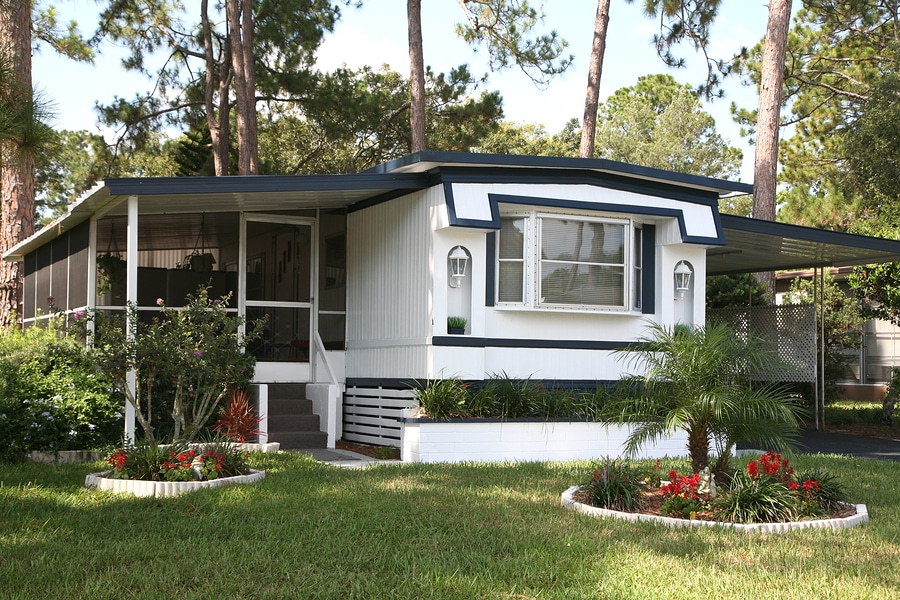
Mobile Home Maintenance Tips

December 26, 2018 by Steve Gebhardt

Mobile Home Maintenance Tips

Mobile home living allows its residents many of the same benefits as a conventional home but often times, comes with lower costs and less maintenance. While they do present fewer costs and problems, mobile homes still require proper inspections and regular maintenance to ensure livability and to make sure they pass home inspections like in traditional or site-built houses.Mobile home insurance is as equally important too. How can you maintain your mobile home properly? To help you keep your abode beautiful, healthy and in good condition, here are some mobile home maintenance tips you can follow.

Mobile Home Maintenance Inspection

Conducting regular inspection on your own is the practical way to do mobile home maintenance. Just simply check what’s off and not in your home. Take note of any damage or possible problem such as mold build-up or mildew. This way, you can prevent any further damage from occurring and you can seek professional help as early as possible. But of course, you also need professional home inspection by the experts once in a while.

Keep it Level

This is the most important action a mobile homeowner should take. If mobile homes are not properly leveled, various problems may arise, such as the occurrence of leaks, cracking of the wall or trouble shutting doors and windows. These are just some of the problems that you might have to face if you neglect mobile home maintenance. To prevent any of these from occurring and to properly maintain your home, it’s very important that you regularly or annually check your home if it is still “level.”

Keeping your home properly leveled prevents a host of other problems. If you notice that your windows or doors are not closing properly, that cracks are appearing in your walls, or that your floor squeaks excessively when you walk on it, your mobile home is probably uneven.

While it is important for the owners of site-built homes to check the level of their homes, this step is essential for the owners of manufactured homes, which are built in one place and then deposited elsewhere.

Whether your home is site built or manufactured, you should conduct a regular inspection to ensure that it remains level. If you find that your home is uneven, you can purchase a kit or hire a professional to help you even it out.

Keep the Skirtings in Good Shap

Homeowners often neglect the “skirting” or otherwise called “perimeter enclosure.” Skirting ventilation is highly important in mobile home maintenance.

While the skirting around your mobile home does add curb appeal, it is there for more than decoration. Skirting protects the foundation of your mobile home. It does not only act as an insulator, it also keeps pests away and prevents the growth of mold if properly ventilated.

This article from Hunker says that skirting “helps to maintain a steady temperature under the home to prevent freezing of pipes and high humidity levels that can lead to condensation and moisture problems that will potentially damage wood floors and support members.”

Whether you choose simulated rock or brick, or plain siding, you must maintain the proper skirting ventilation. See to it that you get proper ventilation in your home. The professionals have provided a formula on how to determine proper skirting ventilation. It is as follows: for every 150 square feet of space, there must be 1 square foot of venting. Moreover, avoid or prevent dead air pockets by installing vents within 3 feet of each other. Having the proper perimeter enclosure along with the correct square footage of venting allows you to protect your home.

Mobile home maintenance photo

Roof Maintenance

Just as with a conventional house, keeping the roof in good condition is important. The roof must be included in your list of mobile home maintenance habits. Mobile homes differ from conventional houses because they have flat roofs, which means that a leak can cause more water damage at a faster rate. It is important that you frequently assess the quality of your roof, even if you do not notice a leak.

Regularly check and maintain your roof. The maintenance depends on the type of roof you have. For example, if your home has a flat roof, it is advised that you must recoat or reseal it regularly, perhaps once a year. Using the right coating is also important as there are certain coatings that cannot be used on certain roofs. For instance, aluminum and asphalt coatings should not be applied on rubber or PVC roofs. Furthermore, make sure that there are no cracks in the caulking and that the flashing is in great condition.

Plumbing Tips

Mobile homes require different plumbing needs than site-built ones. However, both types of homes have more or less the same plumbing structures, such as drain line, supply line, pipes and such. The main difference is that in mobile homes, every water feature ideally should have a shut-off valve, particularly in the faucets and toilet. It is important that you know which part of your home these valves are located.

Use the Right Supplies

Mobile homes are usually built with different materials than conventional homes, which means that you will need to purchase unique, often difficult to find materials to maintain your home.

For instance, as this article from doityourself points out, fixtures such as doorknobs and faucets, and materials such as drywall and vinyling typically differ in mobile homes. As you are choosing materials to maintain your mobile home, remember to acquire the right types of products.

Mobile Home Insurance Coverage

Mobile home maintenance is highly important to keep the value of your property, and to ensure that you are always living in a safe, sturdy and healthy home. These mobile home maintenance tips should assist you in keeping your mobile home in pristine shape, but remember that problems eventually will arise. On top of these maintenance tips, you must not neglect insurance. Our passionate team at Gebhardt Insurance Group wants to help you find an insurance policy for your mobile home that gives you the coverage you need at a cost that you can handle.

If you are interested in purchasing a new insurance plan for your mobile home, get a free quote today. We want to find you a plan that not only meets your financial needs, but also adequately protects your home in the case of an emergency or needed repairs.

Filed Under: Mobile Home Insurance, Home Insurance

Homeowners Insurance Claims Process

December 21, 2018 by Steve Gebhardt

Homeowners Insurance Claims Process

Enduring a disaster that damages your home can be a scary process. In just a moment, you could lose a part of your house, belongings in your home, or even the entire house. Filing a homeowners insurance claim is a daunting process that you must face after a disaster. If you have never had to file a claim before, knowing what steps to take can be difficult. To make this process easier, we will explain the typical homeowners insurance claims process.

Filing a Claim

In the case that your home becomes damaged, the first thing you should do is determine if it is safe to return. You and your family’s safety is more important than your home or any damaged items inside.

Whether or not you can continue living in your home, you should begin evaluating the exact damage so that you know what to tell your insurance agency when you file your claim. To make sure that you have an accurate assessment, hire a contractor to inspect the damage.

If your home is damaged, it is important that you file a claim with your insurance company as soon as possible. The quicker that you get in contact with your insurance provider, the quicker you will receive the help you need.

With new technologies, there are plenty of ways to contact your insurance company to file a claim. Calling your insurance agent is usually the best and fastest approach. Either way, it is important that you document all of the damage.

What Happens After I File a Claim?

Once you file a home insurance claim, an insurance adjuster, who may also be called a claims adjuster, will connect with you to assess the cost of the repair. They will probably talk with you over the phone, as well as visit your home to assess the damage.

After the insurance adjuster has discussed the damage with you and evaluated your total losses, they will propose an appropriate settlement. If you accept, then you will typically receive the money quickly.

Sometimes, you will receive a check to cover the whole of your damages, but not always. According to the Insurance Information Institute (iii), the initial payment usually does not include the entire settlement amount. Many insurance companies will provide “an advance against the total settlement amount,” and then pay the rest later. This quick payment allows homeowners to make temporary repairs and cover immediate costs.

Even after you file the original claim, if the damage is severe enough to force you out of your home, make sure that you include additional living expenses on your claim. Things such as accommodations, rental cars, and meals from restaurants all fall under the additional expenses category that your insurance company should compensate you for. Keep track of your receipts so that you can verify to your insurance provider how much extra compensation you will require.

What Factors Affect the Homeowners Insurance Claims Process?

Not every insurance claim will yield the same results. Here are a few factors that typically play a crucial role in determining the amount of money you will receive.

Type of insurance coverage

There is one important distinction that will play a major role in determining the amount of your coverage: replacement cost vs. actual cash value.

  • Actual cash value: This type of coverage has less value, as the focus is on the monetary value of the items instead of how much you would actually need to replace them. The amount provided typically is not enough to replace the lost or damaged items, especially if they are older and have depreciated in value.
  • Replacement cost: This type of coverage does not consider the actual monetary value of each item, but rather how much it would cost to replace them. This option provides more comprehensive coverage that allows homeowners to recover faster.

If you lose your home and the items inside are damaged in a disaster, replacement value is the better coverage. However, this article from the balance says that replacement value often comes with caveats. For instance, “your insurance company may have the choice to only pay partial payments until you have replaced the item,” or they may only allow you to purchase your items at certain stores.

Home Ownership

There are important factors relating to the home itself that play a significant role in deciding the extent of your coverage.

  • Mortgage: If you are still making payments to a mortgage lender for your home, the check you receive from the insurance company will probably have your name and their name on it. Since the lender has a large financial investment in your home, they will want to ensure that it is repaired sufficiently and that its value does not depreciate.
  • Type of Residence: If you live in a condo or a co-op, even though you own it, your insurance policy will function differently. If you live in a condo and want to know how living in it will affect your policy and claim settlements, check out this article from the balance.
  • Renter’s insurance: If you are renting a home, condo, or apartment, you do not need to purchase a homeowner’s insurance policy. However, since your possessions would not be included on your landlord’s policy, renter’s insurance is a way to protect your belongings.

If you are unsure of whether the conditions on your current policy meet your needs, we can help. Our passionate, experienced team at Gebhardt Insurance Group will help you understand the homeowners insurance claims process and aid you in finding a plan that provides the perfect amount of coverage for you. Visit our website and receive a free quote today.

Filed Under: Home Insurance, Mobile Home Insurance

« Previous Page
Next Page »

Recent Posts

  • Can Golf Carts Be Driven on the Road in Casa Grande? Complete 2025 Guide
  • Complete Insurance Checklist for Snowbirds & Winter Visitors in Casa Grande & Maricopa, Arizona
  • Golf Cart vs Side by Side Insurance in Casa Grande & Maricopa: Which Coverage Do You Really Need?
  • Why Casa Grande Residents Should Choose a Local Independent Agent: 5 Advantages You Can’t Get Online
  • Common Insurance Scams in Arizona: How to Protect Yourself and Your Coverage
logo-main-white

719 E Cottonwood Lane, Suite #1
Casa Grande, AZ 85122

44400 Honeycutt Rd, Suite #102H
Maricopa, AZ 85138

Facebook Twitter Feeds
5 star yelp

Insurance Types

Motorcycle Insurance
Motorhome Insurance
Mobile Home Insurance
Life Insurance
Medicare Insurance
Home Insurance
Commercial Insurance
Auto Insurance

Our Company

Careers
Contact Us
File a Claim

Recent Posts

How to Switch Home Insurance Providers
What is Inflation Guard Coverage?
Factors that Affect Homeowners Insurance Premiums
Arizona Car Insurance Requirements Guide

Copyright © 2024. By GEBHARDT INSURANCE GROUP | PRIVACY POLICY

Accessibility

Online Dictionary

    Readable Experience

    Content Scaling
    Default
    Text Magnifier
    Readable Font
    Dyslexia Friendly
    Highlight Titles
    Highlight Links
    Font Sizing
    Default
    Line Height
    Default
    Letter Spacing
    Default
    Left Aligned
    Center Aligned
    Right Aligned

    Visually Pleasing Experience

    Dark Contrast
    Light Contrast
    Monochrome
    High Contrast
    High Saturation
    Low Saturation
    Adjust Text Colors
    Adjust Title Colors
    Adjust Background Colors

    Easy Orientation

    Mute Sounds
    Hide Images
    Virtual Keyboard
    Reading Guide
    Stop Animations
    Reading Mask
    Highlight Hover
    Highlight Focus
    Big Black Cursor
    Big White Cursor
    Navigation Keys

    Casa Grande Insurance Agency Accessibility Statement

    Accessibility Statement

    • www.gebhardtinsurancegroup.com
    • January 31, 2026

    Compliance status

    We firmly believe that the internet should be available and accessible to anyone, and are committed to providing a website that is accessible to the widest possible audience, regardless of circumstance and ability.

    To fulfill this, we aim to adhere as strictly as possible to the World Wide Web Consortium’s (W3C) Web Content Accessibility Guidelines 2.1 (WCAG 2.1) at the AA level. These guidelines explain how to make web content accessible to people with a wide array of disabilities. Complying with those guidelines helps us ensure that the website is accessible to all people: blind people, people with motor impairments, visual impairment, cognitive disabilities, and more.

    This website utilizes various technologies that are meant to make it as accessible as possible at all times. We utilize an accessibility interface that allows persons with specific disabilities to adjust the website’s UI (user interface) and design it to their personal needs.

    Additionally, the website utilizes an AI-based application that runs in the background and optimizes its accessibility level constantly. This application remediates the website’s HTML, adapts Its functionality and behavior for screen-readers used by the blind users, and for keyboard functions used by individuals with motor impairments.

    If you’ve found a malfunction or have ideas for improvement, we’ll be happy to hear from you. You can reach out to the website’s operators by using the following email

    Screen-reader and keyboard navigation

    Our website implements the ARIA attributes (Accessible Rich Internet Applications) technique, alongside various different behavioral changes, to ensure blind users visiting with screen-readers are able to read, comprehend, and enjoy the website’s functions. As soon as a user with a screen-reader enters your site, they immediately receive a prompt to enter the Screen-Reader Profile so they can browse and operate your site effectively. Here’s how our website covers some of the most important screen-reader requirements, alongside console screenshots of code examples:

    1. Screen-reader optimization: we run a background process that learns the website’s components from top to bottom, to ensure ongoing compliance even when updating the website. In this process, we provide screen-readers with meaningful data using the ARIA set of attributes. For example, we provide accurate form labels; descriptions for actionable icons (social media icons, search icons, cart icons, etc.); validation guidance for form inputs; element roles such as buttons, menus, modal dialogues (popups), and others. Additionally, the background process scans all of the website’s images and provides an accurate and meaningful image-object-recognition-based description as an ALT (alternate text) tag for images that are not described. It will also extract texts that are embedded within the image, using an OCR (optical character recognition) technology. To turn on screen-reader adjustments at any time, users need only to press the Alt+1 keyboard combination. Screen-reader users also get automatic announcements to turn the Screen-reader mode on as soon as they enter the website.

      These adjustments are compatible with all popular screen readers, including JAWS and NVDA.

    2. Keyboard navigation optimization: The background process also adjusts the website’s HTML, and adds various behaviors using JavaScript code to make the website operable by the keyboard. This includes the ability to navigate the website using the Tab and Shift+Tab keys, operate dropdowns with the arrow keys, close them with Esc, trigger buttons and links using the Enter key, navigate between radio and checkbox elements using the arrow keys, and fill them in with the Spacebar or Enter key.Additionally, keyboard users will find quick-navigation and content-skip menus, available at any time by clicking Alt+1, or as the first elements of the site while navigating with the keyboard. The background process also handles triggered popups by moving the keyboard focus towards them as soon as they appear, and not allow the focus drift outside of it.

      Users can also use shortcuts such as “M” (menus), “H” (headings), “F” (forms), “B” (buttons), and “G” (graphics) to jump to specific elements.

    Disability profiles supported in our website

    • Epilepsy Safe Mode: this profile enables people with epilepsy to use the website safely by eliminating the risk of seizures that result from flashing or blinking animations and risky color combinations.
    • Visually Impaired Mode: this mode adjusts the website for the convenience of users with visual impairments such as Degrading Eyesight, Tunnel Vision, Cataract, Glaucoma, and others.
    • Cognitive Disability Mode: this mode provides different assistive options to help users with cognitive impairments such as Dyslexia, Autism, CVA, and others, to focus on the essential elements of the website more easily.
    • ADHD Friendly Mode: this mode helps users with ADHD and Neurodevelopmental disorders to read, browse, and focus on the main website elements more easily while significantly reducing distractions.
    • Blindness Mode: this mode configures the website to be compatible with screen-readers such as JAWS, NVDA, VoiceOver, and TalkBack. A screen-reader is software for blind users that is installed on a computer and smartphone, and websites must be compatible with it.
    • Keyboard Navigation Profile (Motor-Impaired): this profile enables motor-impaired persons to operate the website using the keyboard Tab, Shift+Tab, and the Enter keys. Users can also use shortcuts such as “M” (menus), “H” (headings), “F” (forms), “B” (buttons), and “G” (graphics) to jump to specific elements.

    Additional UI, design, and readability adjustments

    1. Font adjustments – users, can increase and decrease its size, change its family (type), adjust the spacing, alignment, line height, and more.
    2. Color adjustments – users can select various color contrast profiles such as light, dark, inverted, and monochrome. Additionally, users can swap color schemes of titles, texts, and backgrounds, with over 7 different coloring options.
    3. Animations – epileptic users can stop all running animations with the click of a button. Animations controlled by the interface include videos, GIFs, and CSS flashing transitions.
    4. Content highlighting – users can choose to emphasize important elements such as links and titles. They can also choose to highlight focused or hovered elements only.
    5. Audio muting – users with hearing devices may experience headaches or other issues due to automatic audio playing. This option lets users mute the entire website instantly.
    6. Cognitive disorders – we utilize a search engine that is linked to Wikipedia and Wiktionary, allowing people with cognitive disorders to decipher meanings of phrases, initials, slang, and others.
    7. Additional functions – we provide users the option to change cursor color and size, use a printing mode, enable a virtual keyboard, and many other functions.

    Browser and assistive technology compatibility

    We aim to support the widest array of browsers and assistive technologies as possible, so our users can choose the best fitting tools for them, with as few limitations as possible. Therefore, we have worked very hard to be able to support all major systems that comprise over 95% of the user market share including Google Chrome, Mozilla Firefox, Apple Safari, Opera and Microsoft Edge, JAWS and NVDA (screen readers), both for Windows and for MAC users.

    Notes, comments, and feedback

    Despite our very best efforts to allow anybody to adjust the website to their needs, there may still be pages or sections that are not fully accessible, are in the process of becoming accessible, or are lacking an adequate technological solution to make them accessible. Still, we are continually improving our accessibility, adding, updating and improving its options and features, and developing and adopting new technologies. All this is meant to reach the optimal level of accessibility, following technological advancements. For any assistance, please reach out to